
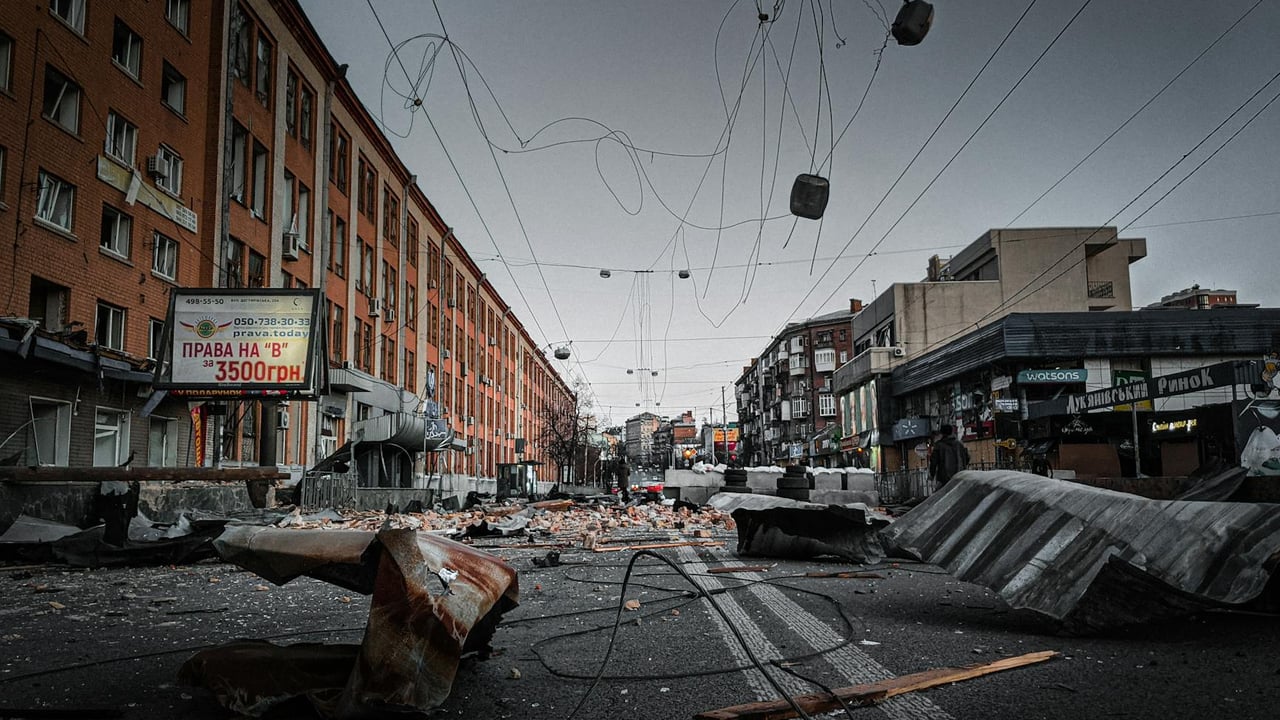

The conflict in Eastern Europe has entered a new phase as Ukraine increasingly directs its strike capabilities toward the heart of the Russian Federation. By targeting the metropolitan areas of Moscow, Kyiv is attempting to puncture the sense of security that has largely shielded the Russian capital’s inhabitants from the realities of the front line. This shift represents a calculated move to transform a territorial war into a psychological one, forcing the Kremlin to defend its political center.
Despite the high-profile nature of these incursions, military analysts, including prominent Chinese scholar Cui Hongjian, suggest that the actual combat effectiveness of these strikes remains marginal. While the drones and missiles occasionally breach defensive perimeters, the scale of destruction is rarely enough to degrade Russia’s primary military infrastructure or logistics. The operations appear to be designed for visibility rather than the systematic dismantling of enemy capabilities.
From a tactical perspective, these strikes serve a secondary purpose of stretching Russia’s sophisticated air defense network. By forcing Moscow to deploy high-end surface-to-air missile systems around the capital, Ukraine hopes to create vulnerabilities along the thousand-mile front line where its ground forces are most active. However, the sheer depth of Russian defensive reserves has so far prevented a significant breakthrough in this regard.
Ultimately, the 'Battle for Moscow' is less about seizing territory and more about narrative control. As the war of attrition continues, Kyiv is betting that the political cost of domestic insecurity will eventually outweigh the Kremlin’s territorial ambitions. For now, however, the strategy remains a high-stakes gamble with diminishing returns in the face of hardened Russian defenses and a domestic population increasingly desensitized to sporadic aerial threats.