
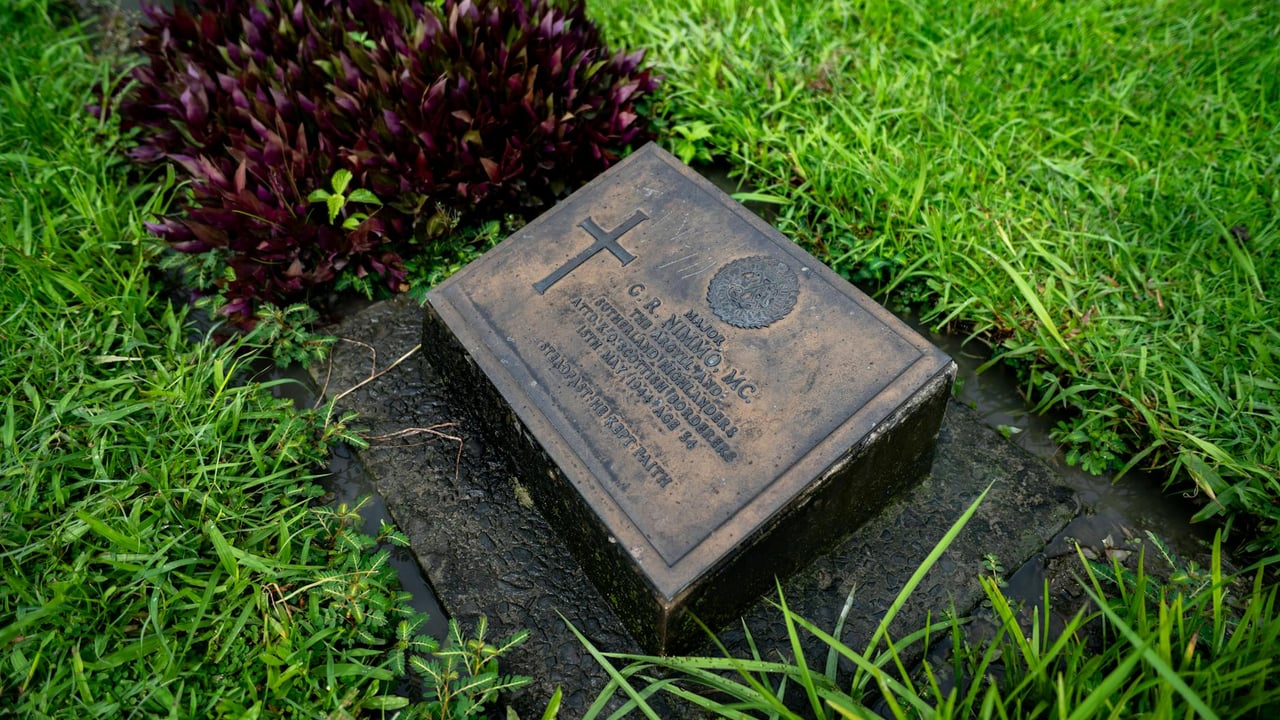

Deep within the lush, humid interior of Sabah, Malaysia, the Sandakan Memorial Park stands as a haunting testament to one of the Pacific War’s most harrowing episodes. Once the site of a brutal prisoner-of-war camp, it now serves as a solemn grounds where families from Australia, Britain, and Malaysia gather twice a year to remember the 2,400 Allied soldiers who perished here. The site is a physical manifestation of the ‘Sandakan Death March,’ a series of forced movements in 1945 that saw thousands of men driven into the jungle to die, leaving only six survivors to tell the tale.
From 1942, the Imperial Japanese Army utilized POWs as slave labor to construct a strategic airfield, subjecting them to grueling ten-hour shifts under a tropical sun that caused widespread blindness and physical collapse. The camp was a microcosm of systematic dehumanization, where prisoners were packed into vermin-infested huts and subjected to innovative tortures, such as the 'cage,' which forced men to remain crouched for weeks without sustenance. Despite these horrors, the site also records acts of profound defiance, including an engineer who sabotaged heavy machinery with sand, a silent rebellion against the occupiers.
As the Allied forces advanced in early 1945, the Japanese command ordered a series of 'strategic transfers' that were, in reality, organized liquidations. Sick and starving men were forced to march 260 kilometers through rugged swamps and mountains toward Ranau; those who faltered were executed on the spot. The scale of the cruelty was so absolute that by the final march in June 1945, not a single prisoner reached the destination alive, with the air reportedly thick with the scent of death for those following behind.
The history of Sandakan is not merely one of foreign soldiers, but also of local bravery and the high cost of resistance. A secret network of local Sabahans and Chinese diaspora members risked everything to smuggle food and medicine to the POWs, a move that eventually led to the ‘Sandakan Incident’—the arrest and execution of many local heroes. Today, the memorial’s central monument features the national flowers of Malaysia, Australia, and Britain, symbolizing a shared sacrifice that transcends national borders and underscores a collective memory of anti-fascist struggle.
Yet, this history faces a contemporary challenge in the form of educational gaps and shifting geopolitical priorities. Curators at the park frequently encounter young Japanese visitors who express shock at the exhibits, noting that their domestic textbooks offer no account of such atrocities. For the local community and the descendants of those who suffered, the site remains an 'ironclad proof' of aggression that must be preserved to prevent the romanticization of militarism in a region still grappling with its wartime legacy.