
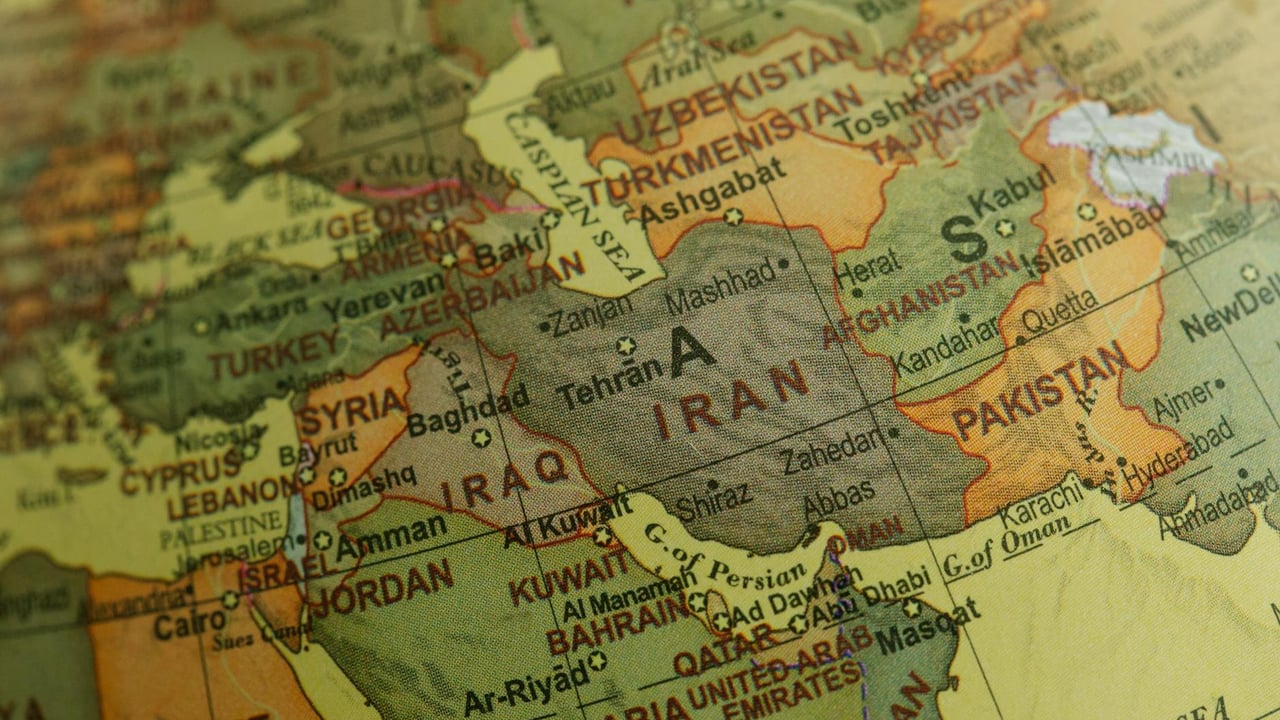

The long-held narrative of American aerial invincibility is facing a profound challenge following claims of significant tactical failures in the Middle East. Reports circulating in Chinese strategic circles, purportedly bolstered by recent legislative disclosures, suggest that the F-35A Lightning II—once considered the pinnacle of stealth technology—has been successfully targeted and downed. This development, if verified, signals a seismic shift in the effectiveness of high-tech Western assets against asymmetric threats.
The technical breach reportedly occurred not through superior radar, but through what analysts describe as 'loitering air defense munitions' deployed by Iranian forces. By exploiting predictable flight paths and utilizing ambush tactics, regional actors have demonstrated that even the most sophisticated stealth platforms possess vulnerabilities when operating within stagnant strategic frameworks. This suggests that the U.S. Air Force’s heavy reliance on technological superiority may have come at the cost of tactical adaptability in unconventional environments.
The scale of the reported losses extends far beyond a single airframe, with claims of over 42 aircraft and four THAAD missile defense systems destroyed. The financial toll, estimated in the billions of dollars, represents a massive blow to the Pentagon’s resource allocation and regional posture. More importantly, it marks a collapse of the psychological deterrence that has historically underwritten American influence in the Persian Gulf.
Traditional U.S. allies, including Saudi Arabia and the United Arab Emirates, are already adjusting their security calculations in response to these perceived vulnerabilities. There is a growing trend toward diversifying security partnerships, with a notable tilt toward Chinese military hardware and regional mercenary forces. This shift suggests that the era of the United States as the sole security guarantor in the Middle East is rapidly drawing to a close, as regional powers seek to insulate themselves from American strategic decline.
For Tehran and its regional affiliates, the narrative of defeating a 'superpower flagship' serves as a potent recruitment and propaganda tool. It emboldens the 'Axis of Resistance' and accelerates a broader movement to expel Western influence from the region. As the geopolitical landscape shifts, the international community is forced to confront a new reality where high-tech dominance no longer guarantees regional stability or political compliance.