
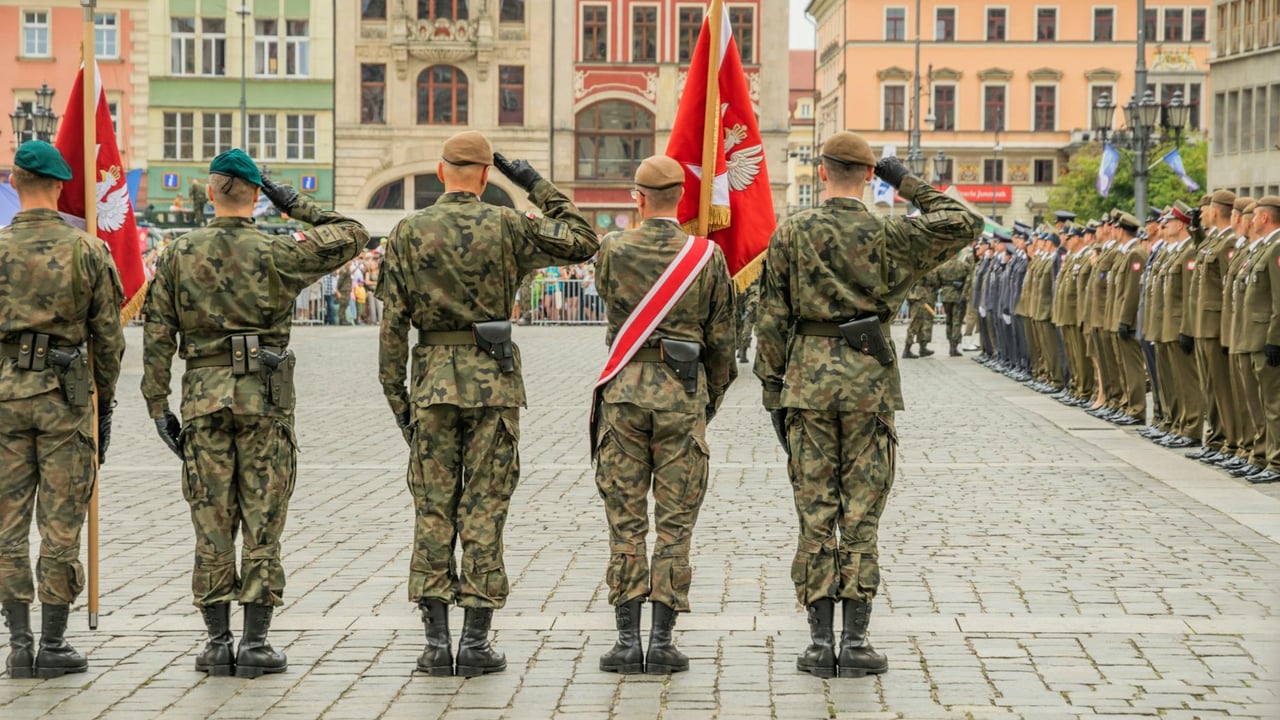

The geopolitical map of Europe is being redrawn via social media, leaving both the Pentagon and Brussels in a state of high-altitude vertigo. Just three weeks after the Department of Defense announced the withdrawal of 5,000 troops from Germany, President Donald Trump utilized his 'Truth Social' platform to pivot the American footprint toward Warsaw. The announcement, which promises to deploy 5,000 additional soldiers to Poland, appears to be a direct reward for the electoral victory of Karol Nawrocki, the newly elected Polish president whom Trump described as a close ally.
This sudden shift has sparked a profound sense of disorientation among the United States’ closest partners. Swedish Foreign Minister Maria Malmer Stenergard expressed the collective sentiment at a recent NATO summit, noting that the direction of American policy has become increasingly difficult to determine. Internal confusion within the American defense establishment is equally palpable, as officials grapple with the lack of a formal roadmap linking the German withdrawal to the Polish buildup.
The strategic rationale behind these movements appears to be rooted in a transactional, almost retaliatory, approach to alliance management. Analysts suggest the reduction of forces in Germany, Italy, and Spain serves as a punitive measure for allies who declined to participate in Washington’s military maneuvers against Iran. By contrast, Poland’s unwavering alignment with the White House’s ideological and military objectives has earned it a preferential status in the new European security architecture.
However, the execution of this shift has been marred by administrative incoherence. Earlier this month, the White House teased a troop transfer from Germany to Poland, only for Army leadership to later cancel the planned rotation of the 1st Cavalry Division’s 2nd Armored Brigade Combat Team. This cancellation was subsequently reframed by Vice President J.D. Vance as a mere 'routine delay,' exposing a disconnect between the executive branch and the military commanders responsible for operational readiness.
This atmosphere of 'policy by post' is fundamentally altering the nature of the transatlantic bond. While Poland welcomes the increased security guarantee, the broader NATO alliance is forced to navigate a landscape where long-term military planning is frequently upended by domestic political favor. The result is a fractured front that may satisfy bilateral interests but leaves the collective defense of the continent in a state of perpetual uncertainty.