
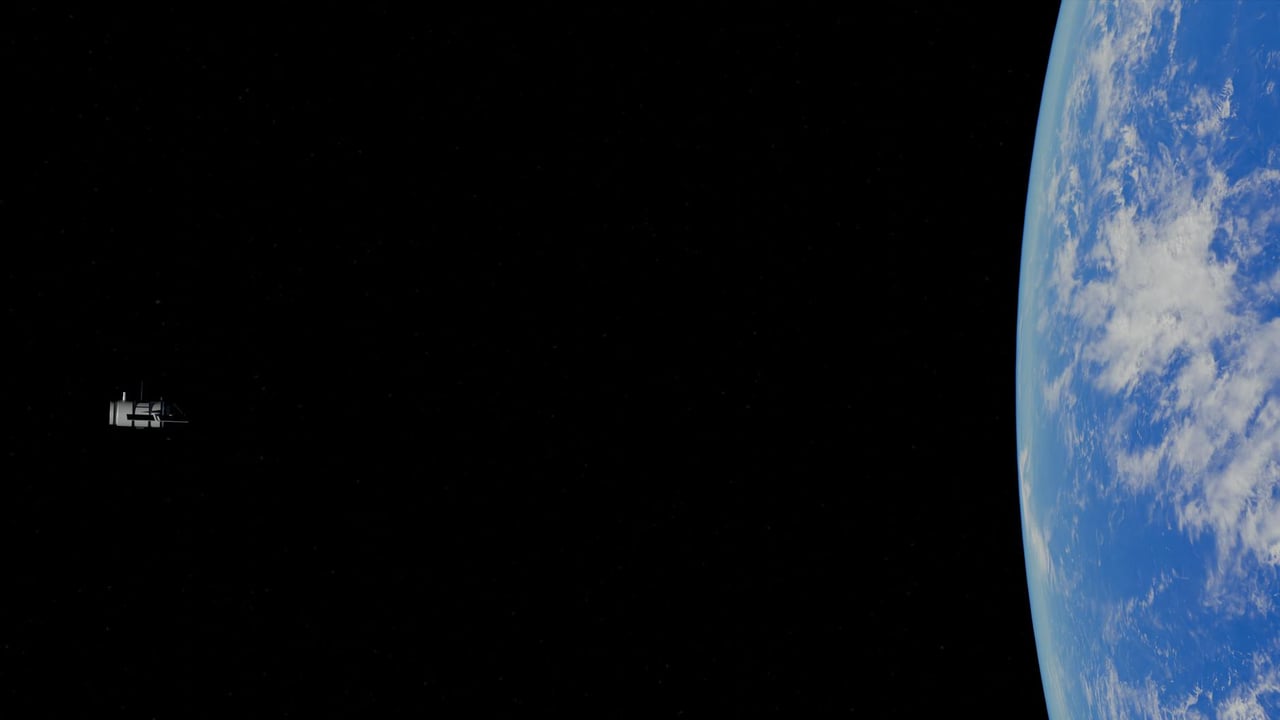

The China Manned Space Agency has narrowed its launch window for the Shenzhou-23 mission to May 24, 2026, at precisely 23:08 Beijing time. This upcoming deployment to the Tiangong Space Station underscores Beijing’s transition from a phase of rapid infrastructure building to one of sustained, routine orbital operations. As the crewed spacecraft prepares to lift off from the Jiuquan Satellite Launch Center, it signifies yet another seamless handoff in China’s permanent presence in Low Earth Orbit.
While the mission follows the established cadence of biannual crew rotations, the timing is particularly poignant within the global aerospace landscape. The launch occurs amidst a backdrop of intensifying competition, with private Western entities like SpaceX testing next-generation heavy-lift vehicles and NASA pushing forward with its Artemis lunar ambitions. For Beijing, the reliability of the Shenzhou program serves as a powerful counter-narrative of stability and methodical progress compared to the high-stakes, iterative testing seen elsewhere.
Beyond the technical milestones, the Shenzhou-23 mission and its associated programs are increasingly becoming tools of national soft power and internal cohesion. Recent announcements regarding the selection of the fourth batch of astronauts, which for the first time includes candidates from Hong Kong and Macau, suggest that the space program is evolving into a symbol of a unified, high-tech Chinese identity. This inclusive approach to talent recruitment aims to foster a sense of shared national destiny while tapping into the elite scientific resources of the Special Administrative Regions.
As the Tiangong station enters its third year of full-scale operation, the focus is shifting toward maximizing scientific output and preparing for international cooperation. The Shenzhou-23 crew will likely oversee a new suite of experiments in microgravity and biotechnology, furthering China's goal of becoming a preeminent global science hub. This mission is not merely a logistical flight; it is a demonstration of an aerospace power that has mastered the complexities of long-term human spaceflight and is now looking toward the lunar horizon.