Washington on Edge: Trump Mobilizes for Potential Iranian Escalation as Diplomacy Falters

President Trump has returned to the White House to oversee preparations for potential military strikes against Iran, prompting the cancellation of leave for key defense and intelligence personnel. While the military is repositioning regional forces to mitigate retaliation risks, a final decision on launching the attack remains pending.

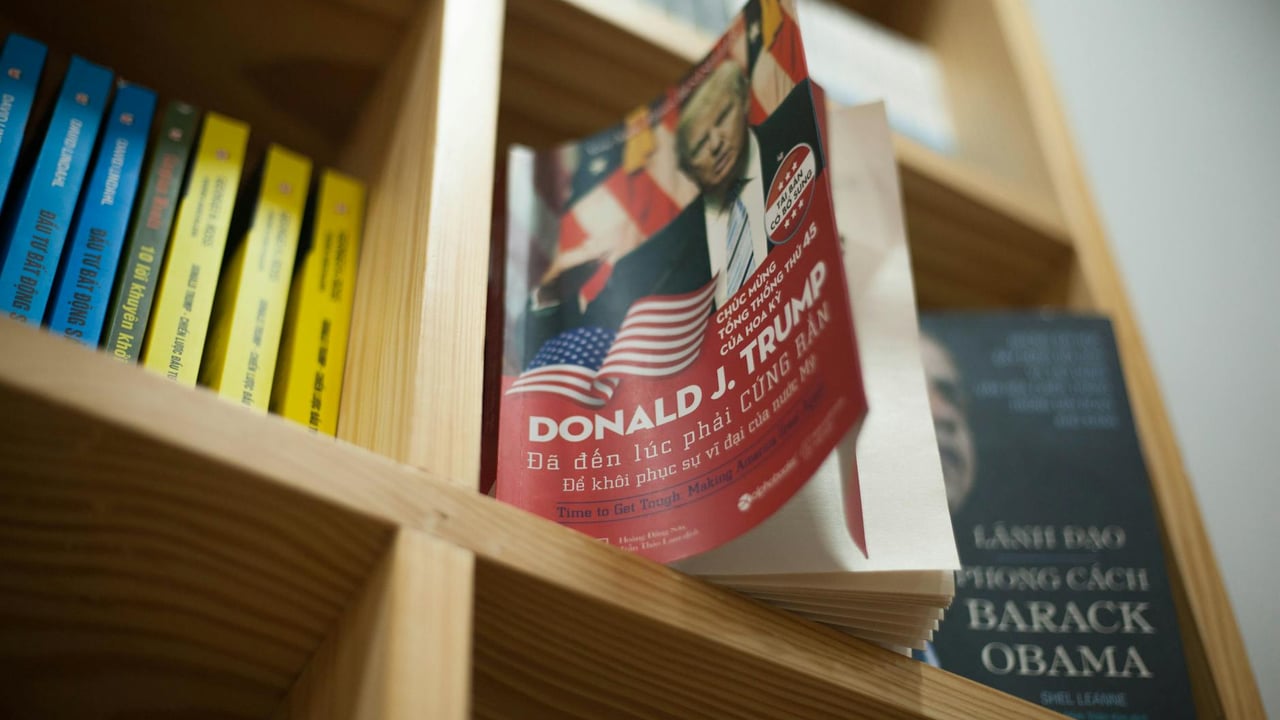
A close-up view of a bookshelf with books featuring political leaders in a bookstore setting.

Key Takeaways

  • 1President Trump canceled attendance at Donald Trump Jr.'s wedding and a holiday retreat to return to the White House.
  • 2U.S. military and intelligence personnel have had Memorial Day leave revoked to prepare for potential strikes.
  • 3Emergency recall rosters at overseas bases are being updated in anticipation of a 'ready-to-go' scenario.
  • 4Troops in the Middle East are being rotated and repositioned to reduce the risk of successful Iranian retaliation.
  • 5No final decision on the commencement of military action has been confirmed by the administration.

Editor's
Desk

Strategic Analysis

This pivot reflects a dangerous phase of blowback management within the administration’s Iran policy. By rotating troops out of harm's way before a potential strike, the Pentagon is acknowledging that any military action will not be a one-sided affair, but rather the start of a multi-domain conflict. The public nature of these preparations—specifically the cancellation of the President's personal plans—functions as both a logistical necessity and a psychological signal to Tehran. Washington is signaling that it is prepared for the 'day after' a strike, hoping to force a last-minute diplomatic concession while simultaneously preparing for the worst-case regional escalation.

China Daily Brief Editorial
Strategic Insight
China Daily Brief

The shadow of conflict hangs heavily over Washington this Memorial Day weekend as President Donald Trump abruptly scrapped plans for his son’s wedding and a scheduled retreat in New Jersey. This sudden shift back to the White House signals a critical juncture in the long-simmering tensions between the United States and Iran. While diplomatic channels technically remain open, the logistical machinery for a military strike is visibly grinding into gear.

Reports from the Pentagon indicate that military and intelligence officials have been ordered to cancel their holiday leave, a move rarely seen during this symbolic American weekend of remembrance. Emergency recall rosters for overseas bases are being updated with a sense of urgency that suggests a high-readiness posture. Despite these frantic preparations, the administration maintains that a final executive order to launch a kinetic strike has not yet been signed.

Strategically, the U.S. is concurrently shifting personnel within the Middle East, rotating certain units out of high-risk zones in a series of phased movements. This maneuver appears designed to minimize American vulnerabilities in the event of an Iranian counter-offensive, which would almost certainly follow any U.S. action. By thinning out its footprint in specific sectors, Washington is attempting to insulate its regional assets from the immediate shockwaves of retaliation.

This juxtaposition of continued diplomatic signaling alongside kinetic preparations suggests a strategy of high-stakes brinkmanship reaching its breaking point. If the administration proceeds with a strike, it would represent a decisive shift from economic coercion to direct military engagement. The world now looks to the White House, where the choice between a fragile peace and a regional firestorm remains under deliberation.

Share Article

Related Articles

📰
No related articles found