From Hong Kong to High Orbit: Beijing’s Shenzhou-23 Crew Signals a New Era of National Integration

China has announced the Shenzhou-23 crew, led by veteran engineer Zhu Yangzhu and featuring historic payload specialist Li Jiaying from Hong Kong. The mission highlights the technical evolution of the Tiangong station and uses space exploration as a tool for national integration.

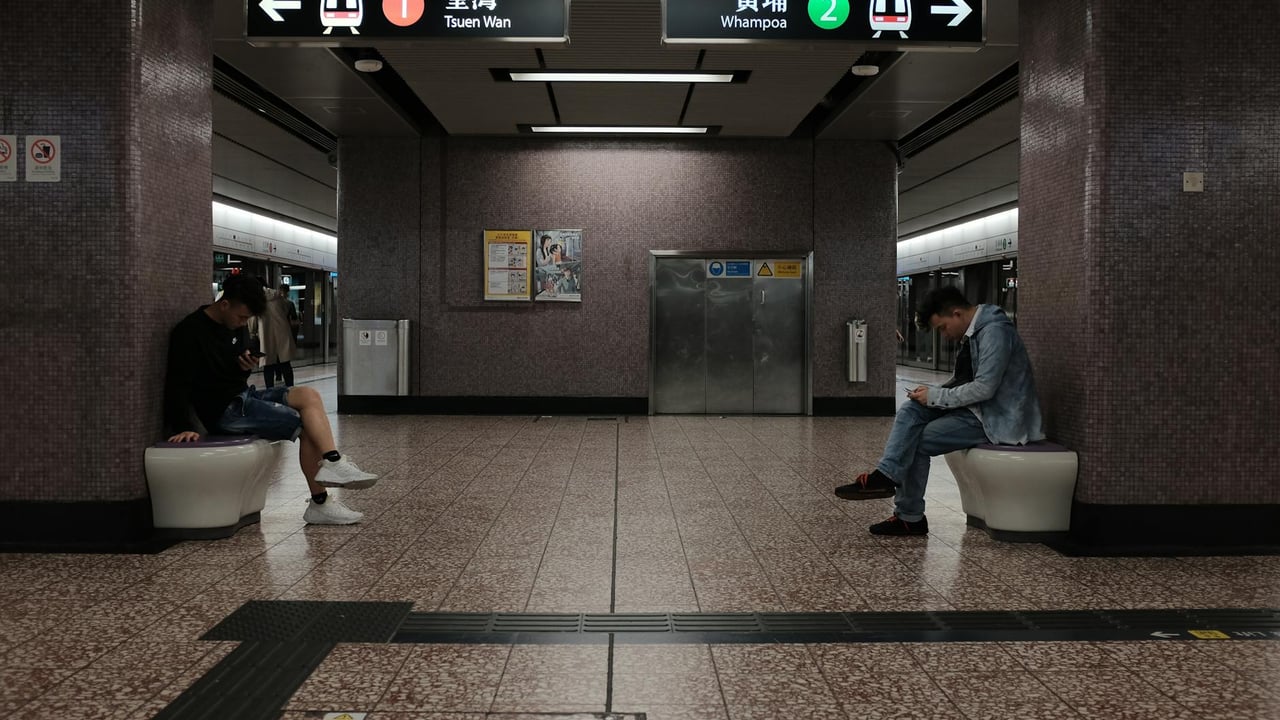
Two men sitting quietly in a Hong Kong subway station, absorbed in their mobile phones.

Key Takeaways

  • 1Zhu Yangzhu, an aerospace engineer and Shenzhou-16 veteran, has been named commander of the mission.
  • 2Li Jiaying, a former Hong Kong Police Superintendent, makes history as the first astronaut from the Special Administrative Region to join a crewed mission.
  • 3The crew comprises a blend of military pilots and specialized researchers from the 3rd and 4th astronaut batches.
  • 4The mission underscores China's transition toward a permanent, multi-functional scientific presence in Low Earth Orbit.

Editor's
Desk

Strategic Analysis

The inclusion of a Hong Kong-born payload specialist with a background in the local police force is a masterclass in political symbolism. It serves two purposes: it rewards the loyalty of the SAR's professional class and provides a visual narrative of the 'China Dream' extending to every corner of the nation. Strategically, moving an engineer like Zhu Yangzhu into the commander's seat signals that the Tiangong station is moving past its 'test flight' phase and into a high-utility era where maintaining complex hardware and conducting advanced research are the primary objectives. This mission is a clear indicator that China views its space station not just as a laboratory, but as a stage for projecting national unity and technological parity with the West.

China Daily Brief Editorial
Strategic Insight
China Daily Brief

China has revealed the three-person crew for the Shenzhou-23 mission, a selection that blends military discipline with a significant symbolic shift toward national inclusivity. At the helm is Commander Zhu Yangzhu, a seasoned astronaut whose background as an aerospace engineer reflects the maturing technical needs of the Tiangong space station. Zhu’s leadership marks a transition where technical expertise is prioritized alongside traditional pilot skills in the command chair.

The headline-grabbing inclusion is Li Jiaying, a payload specialist born in Hong Kong and a former Superintendent in the Hong Kong Police Force. Her selection marks the first time a resident of the Special Administrative Region has been integrated into the mainland’s most prestigious technological endeavor. Beyond her scientific role, Li serves as a powerful emblem of Beijing's efforts to foster a shared national identity through its space program.

Supporting the mission is Zhang Zhiyuan, a former elite Air Force pilot who represents the traditional backbone of the People’s Liberation Army Astronaut Corps. The trio represents a convergence of China’s elite military flight programs and its newer, more specialized training tracks for researchers and technical experts. This mix of the third and fourth batches of astronauts demonstrates the rapid expansion of China's human spaceflight pipeline.

This mission occurs at a critical juncture for the China Manned Space Agency as it moves from space station assembly to long-term scientific utilization. By involving personnel from Hong Kong, Beijing is leveraging its extra-planetary ambitions to demonstrate the practical benefits of the "One Country, Two Systems" framework. The mission is as much about domestic political messaging and national pride as it is about orbital mechanics and microgravity research.

Share Article

Related Articles

📰
No related articles found