
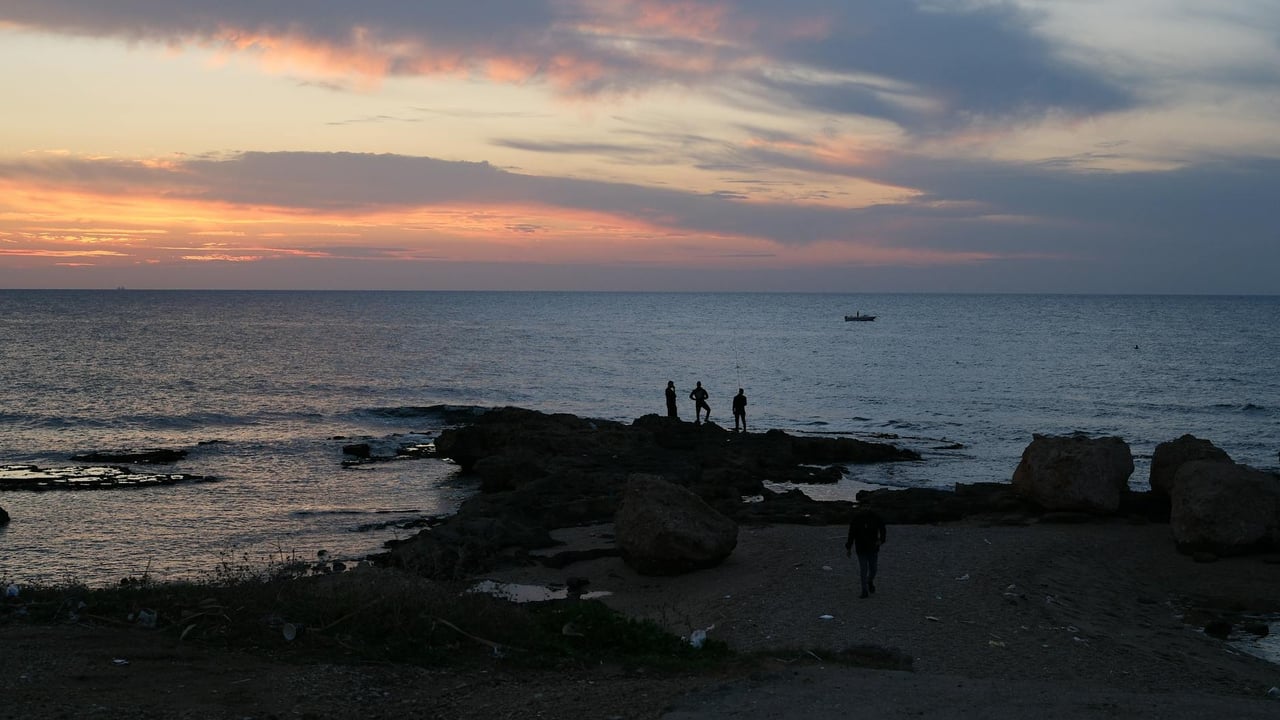

The ancient port city of Tyre and the surrounding hills of southern Lebanon have once again become the epicenter of a deepening regional crisis. Following a series of intense Israeli airstrikes on May 19 and 20, 2026, rescue teams are now navigating a landscape of pulverized concrete and twisted metal in a desperate search for survivors. The Lebanese Ministry of Public Health reports that the barrage has claimed at least 19 lives, including three children, leaving dozens more wounded in the governorates of South Lebanon and Nabatieh.
These latest strikes mark a significant escalation in the ongoing kinetic exchange between the Israeli Defense Forces (IDF) and regional militants. While the IDF often characterizes its operations as targeted strikes against logistical hubs and command centers, the reality on the ground in Nabatieh and Tyre reflects a broadening theater of war where civilian infrastructure is increasingly caught in the crossfire. The density of the strikes suggests a strategic shift toward a more aggressive containment policy along Israel’s northern frontier.
For the residents of southern Lebanon, the sounds of debris being cleared by hand and the sirens of ambulances have become a grimly familiar soundtrack. Humanitarian organizations warn that the repeated targeting of urban centers is straining an already fragile Lebanese healthcare system, which is struggling to provide trauma care amid ongoing economic volatility. The international community watches with bated breath as the geographic scope of the conflict expands deeper into Lebanese territory.
Diplomatic efforts to de-escalate the border situation remain stalled, with both sides entrenched in their respective security narratives. As the rubble is cleared in Tyre, the broader geopolitical question remains: whether these localized tragedies are precursors to a wider, more devastating regional conflagration. The immediate focus remains on the ruins, where the line between military objectives and civilian survival continues to blur.