
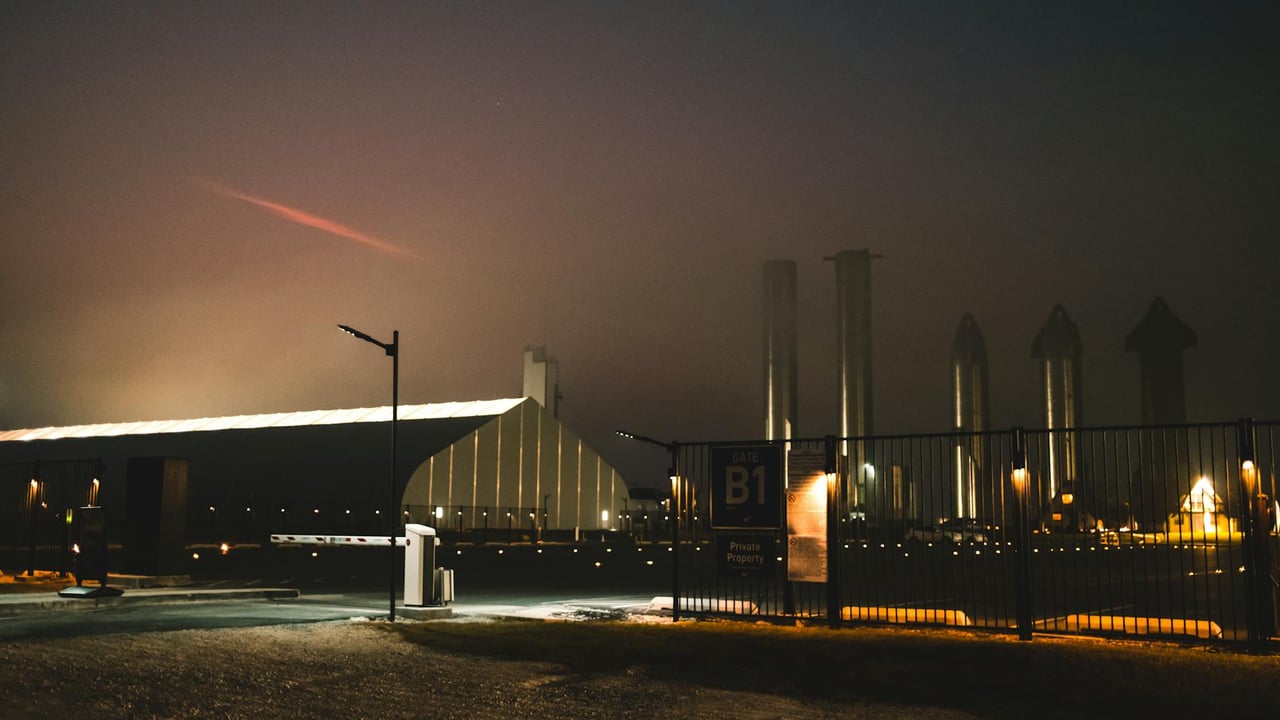

The successful maiden flight of SpaceX’s Starship V3 marks a watershed moment in the commercialization of deep space. As the most powerful launch vehicle ever constructed, the V3 represents the culmination of rapid iterative testing, evolving past its predecessors to become the functional cornerstone of Elon Musk’s interplanetary logistics vision.
This mission was far more than a technical demonstration; it served as the critical final validation before SpaceX’s anticipated initial public offering. With internal valuations now soaring toward $2 trillion, the company is signaling that the era of government-led space exploration is being decisively overtaken by a privatized, industrial-scale model that treats orbit as a routine destination.
Musk’s strategic roadmap now centers on an unprecedented high-frequency launch schedule, aiming for 10,000 launches annually within the next five years. Such a cadence would effectively transform the space economy, drastically lowering the cost of mass transport to the Moon and Mars while securing SpaceX's dominance over global satellite deployment and orbital infrastructure.
For international observers, particularly within China’s burgeoning aerospace sector, the V3’s success underscores a widening gap in reusable heavy-lift capability. While Chinese state-owned and private firms are making significant strides in methane-fueled rocketry, the operational scale of the Starship ecosystem creates a new benchmark for both national prestige and commercial competitiveness in the 21st-century space race.