
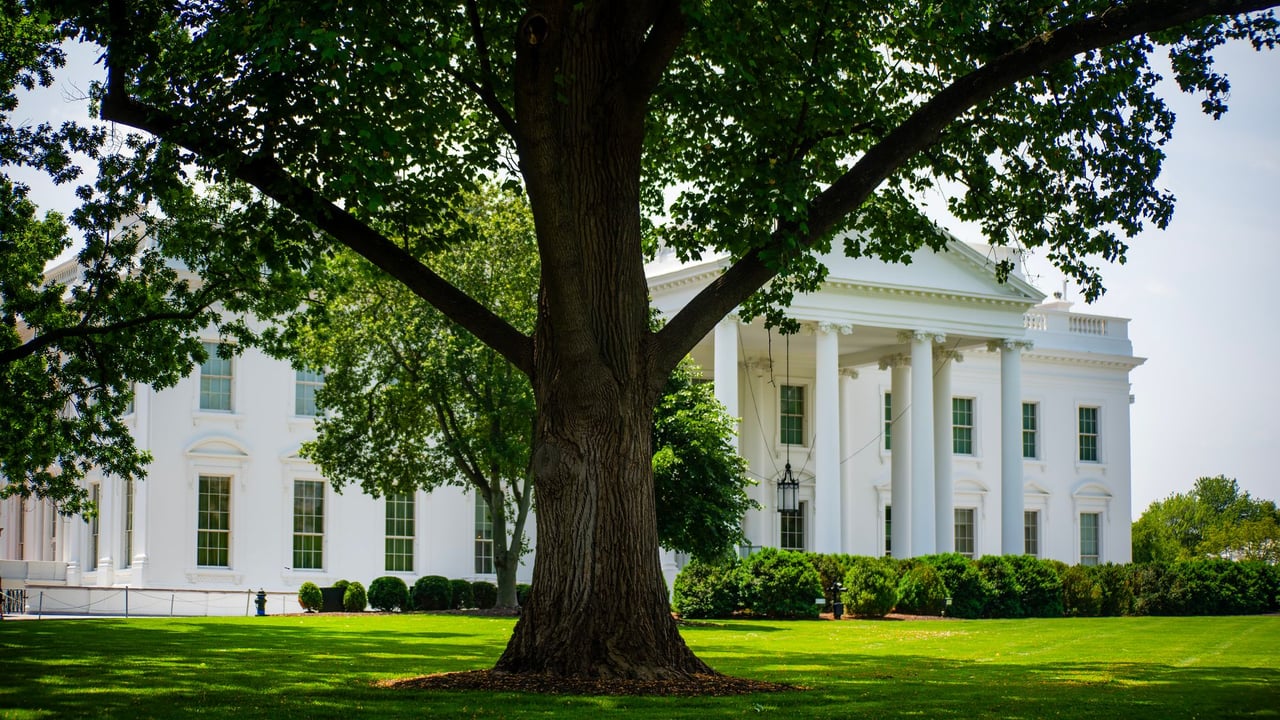

Donald Trump’s national security team emerged from a high-stakes briefing on May 22 without a declaration of war, but with a clear ultimatum for Tehran. Rather than authorizing immediate kinetic action, the President has signaled a willingness to afford diplomatic channels 'more time.' This tactical pause reflects a administration balancing the instincts of its most hawkish advisors against a desire to avoid an uncontrolled regional conflagration.
The immediate objective of current mediation efforts is not a comprehensive grand bargain, which remains a distant prospect. Instead, negotiators from Qatar and other regional intermediaries are racing to secure a Memorandum of Understanding (MOU). This document is intended to serve as a bridge, extending existing ceasefires and establishing a rigid framework for more substantive future talks.
Despite the diplomatic flurry, significant hurdles remain as both sides remain deadlocked over the scope of the negotiations. The primary point of contention involves the sequencing of concessions and which specific security concerns should be included in the initial framework. Tehran is resistant to broad demands, while Washington insists on a structure that addresses regional proxies and missile development alongside nuclear concerns.
Should this narrow diplomatic window close without an agreement, the cost of failure is already mapped out. U.S. officials suggest that limited, high-intensity strikes by American and Israeli forces remain a 'live' option designed to coerce Iranian concessions. Within the White House, a powerful contingent of conservative advisors continues to argue that a calibrated military blow would provide the necessary leverage to break the current diplomatic impasse.
The diplomatic activity is centered in Tehran, where Iranian Foreign Minister Abbas Araghchi has been engaged in marathon sessions with regional leaders. Following late-night talks with Pakistan’s army chief and high-level calls with Turkish and Qatari counterparts, a specialized delegation from Doha has arrived in the Iranian capital. These movements suggest that while the rhetoric remains heated, the regional appetite for avoiding a direct U.S.-Iran clash remains high.