
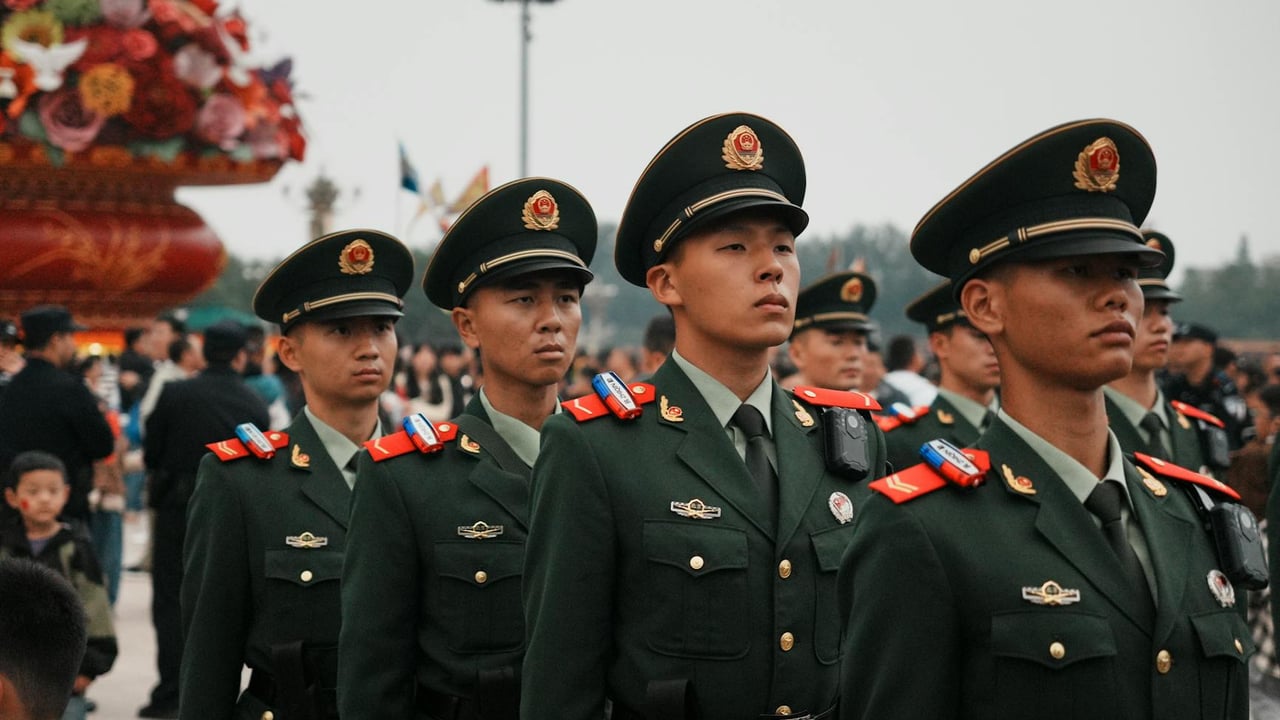

In the social hierarchy of modern China, few identities command as much immediate respect and trust as that of a high-ranking military officer or a veteran of the People's Liberation Army. This cultural reverence, while a pillar of national stability, creates a unique vulnerability that fraudsters are increasingly eager to exploit. A recent case involving an individual identified as Xu illustrates the sophisticated psychological tactics used to leverage the prestige of the state for personal gain.
Xu successfully maintained an elaborate facade for nearly two years by claiming to be a decorated soldier with experience in overseas peacekeeping missions and dangerous anti-narcotics operations on the Yunnan border. To bolster his credibility, he utilized high-quality counterfeit uniforms, purchased fake medals online, and shared digital photographs of himself in military regalia. By weaving a narrative of self-sacrifice and wounded heroism, Xu secured the unwavering trust of an acquaintance, referred to as Yang.
The deception deepened when Xu began soliciting funds under the guise of preparing for early retirement. He claimed he needed a consistent record of payroll transfers from a private company to satisfy military administrative requirements, promising to return the funds once his discharge was finalized. This move effectively turned a friendship into a financial arrangement, eventually leading Yang to transfer over 80,000 RMB (approximately $11,000 USD) to the fraudster.
When the timeline for Xu's purported retirement arrived and the money remained unpaid, he attempted to pivot his identity, claiming the state had reassigned him to the police force. He even produced a counterfeit People’s Police credential to delay suspicion. This escalation eventually triggered Yang’s realization that the story was a fabrication, leading to a police intervention that revealed Xu’s supposed combat injuries were actually the result of a mundane motorcycle accident.
Chinese law enforcement has responded to the case with stern warnings, emphasizing that the actions of military personnel are governed by strict discipline. Officials reiterated that active-duty soldiers are prohibited from soliciting large loans from the public for personal or professional reasons. The case has now transitioned into a criminal prosecution, with Xu facing charges of fraud as the authorities seek to protect the sanctity of state institutions.