

For Benjamin Netanyahu, the high-stakes gamble of February 2026 appears to be yielding diminishing returns. Once the self-proclaimed 'whisperer' in Donald Trump’s ear, the Israeli Prime Minister now finds himself increasingly marginalized as Washington shifts from joint military escalation to back-channel diplomacy with Tehran. The transition has been jarring for an Israeli leadership that recently believed it was on the verge of toppling the Islamic Republic.
In the early stages of the conflict, Netanyahu and Trump were photographed together in the Situation Room, projecting an image of unified command. Netanyahu had assured his domestic audience that he and the U.S. President were making decisions 'together, almost every day.' His objective was absolute: the total dismantling of Iran’s nuclear program and the collapse of the regime. However, the anticipated popular uprising in Tehran failed to materialize, and the geopolitical costs of the war began to mount.
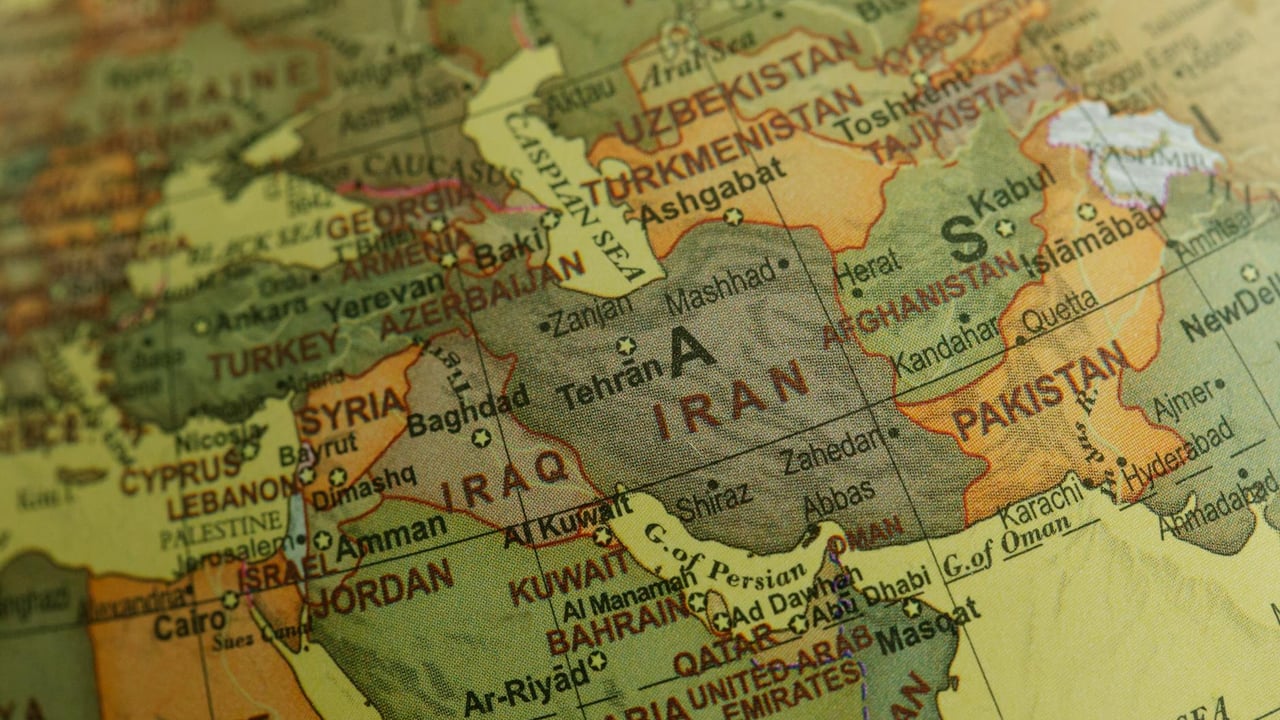
As the conflict dragged on, the strategic priorities of the White House began to diverge sharply from those of the Prime Minister’s Office. The closure of the Strait of Hormuz sent global oil prices into a tailspin, forcing the Trump administration to reconsider its military stance in favor of economic stabilization. Insiders within the Trump circle, who long viewed 'regime change' as a risky distraction, have now successfully steered the President toward a negotiated settlement.
Reports now suggest that Israel has been almost entirely excluded from the latest round of U.S.-Iran negotiations. Israeli defense officials claim they are being forced to rely on regional intermediaries and clandestine intelligence networks just to piece together the progress of the talks. This 'downgrade' in status is particularly damaging for Netanyahu, who has staked his political survival on his unique ability to manage the American alliance.
The proposed deal currently on the table is a bitter pill for Jerusalem to swallow. Rather than the total cessation of enrichment Netanyahu demanded, Washington is reportedly discussing a 20-year freeze on nuclear activities—a framework reminiscent of the 2015 JCPOA that both Trump and Netanyahu previously reviled. Furthermore, the issue of Iran’s ballistic missile arsenal, a primary security concern for Israel, is reportedly absent from the current diplomatic agenda.
Domestically, Netanyahu is already pivoting his rhetoric to mask this diplomatic rift as he faces a challenging election cycle. By mid-March, he began downplaying the unresolved existential threats, instead emphasizing Israel’s independent 'regional power' status. However, the reality remains that the 'ironclad' alliance he championed is facing its most significant test, as the U.S. concludes that its interests are better served by restraining its ally rather than following it into a protracted regional war.