
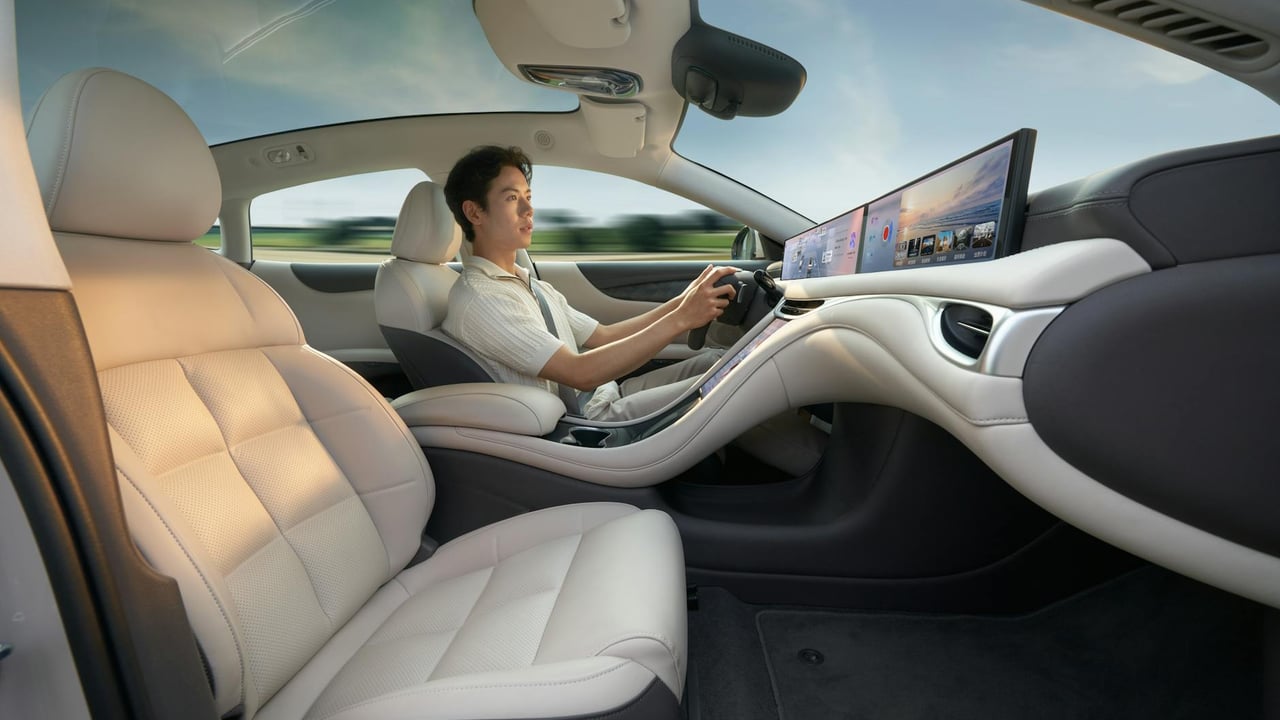

The era of easy growth and brand proliferation in China’s electric vehicle (EV) sector is coming to an end. William Li, the founder and CEO of Nio, recently declared that the industry has transitioned from a 'period of brand chaos' into a 'period of clarification.' This shift suggests that the sheer volume of new entrants is finally giving way to a more disciplined market where only those with distinct, systemic advantages will survive.
Li argues that the nature of rivalry has fundamentally changed. The industry is moving away from 'single-point competition,' where a company could win based on a solitary metric like battery range, acceleration, or a lower price tag. Instead, the market is entering a phase of 'systemic competition,' where success is dictated by a firm's entire ecosystem, including its service infrastructure, software integration, and brand equity.
This evolution is particularly significant as Chinese EV manufacturers face a brutal domestic price war and increasing scrutiny abroad. For a company like Nio, which has heavily invested in capital-intensive projects like battery-swapping stations, the shift toward systemic competition serves as a strategic justification for its high burn rate. Li is essentially betting that the 'clarification' phase will expose the weaknesses of competitors who lack a comprehensive support network for their users.
As the market matures, the ability to maintain brand influence is becoming the ultimate differentiator. In a landscape where hardware specifications are rapidly commoditizing, the 'clarification' Li speaks of will likely result in a massive consolidation. For global observers, this signals that the remaining Chinese players will be those who have moved beyond being mere car manufacturers to becoming full-scale technology and service providers.