

South Korea finds itself at a precarious crossroads where unprecedented technological triumph meets mounting social friction. While the nation’s stock markets reach record highs fueled by a global insatiable demand for AI-enabling memory chips, government officials are sounding the alarm that this digital gold rush may be widening the chasm between the wealthy and the working class. The current labor unrest at Samsung Electronics, traditionally a bastion of industrial stability, is no longer being viewed as a mere wage dispute but as the first tremor of a seismic shift in the AI era.
Bae Kyung-hoon, South Korea’s Minister of Science and ICT, recently characterized the escalating tensions between labor and management at tech giants as part of a broader, more permanent trend. As artificial intelligence automates complex tasks and concentrates wealth within a handful of ‘super-large’ corporations, the risk of mass displacement and income stagnation for the average worker becomes an existential threat. The government is now forced to grapple with a difficult question: how to ensure that the dividends of the AI revolution are shared with the public rather than sequestered by corporate balance sheets.
The volatility of this issue was recently underscored by the sudden emergence of the 'Citizen’s Dividend' concept within the presidential office. The proposal suggested redistributing excess profits generated from AI infrastructure back to the citizenry, a move that sent shockwaves through the markets before being dismissed by the administration as a personal opinion. However, the mere fact that such a radical redistribution model is being discussed at the highest levels of government reveals the depth of the anxiety regarding South Korea's social contract.
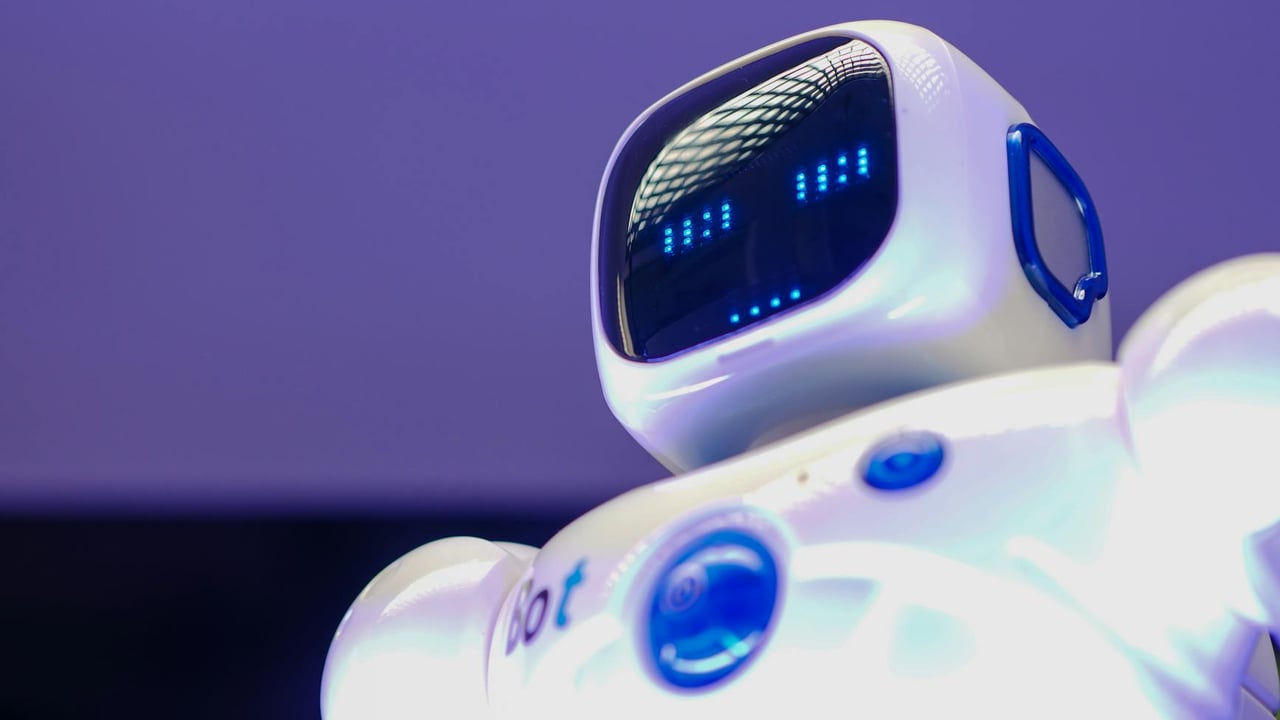
To maintain its competitive edge while mitigating social risks, Seoul is pivoting toward 'Physical AI'—the integration of artificial intelligence into robotics, autonomous vehicles, and industrial systems. By embedding intelligence into the nation’s formidable manufacturing hardware, South Korea hopes to create a unique ecosystem that sustains employment through high-value technical services. Yet, as companies like Hyundai move toward humanoid robotic integration, the fear remains that the very machines driving the next economic miracle may eventually render their human counterparts obsolete.