

On the night of May 24, 2026, China is scheduled to launch the Shenzhou-23 mission to the Tiangong space station, marking another methodical step in Beijing’s pursuit of orbital dominance. While the mission is ostensibly a routine crew rotation, it carries significant political and symbolic weight that extends far beyond the confines of low Earth orbit. All systems are reported to be in optimal technical condition as the crew prepares for the 23:08 lift-off.
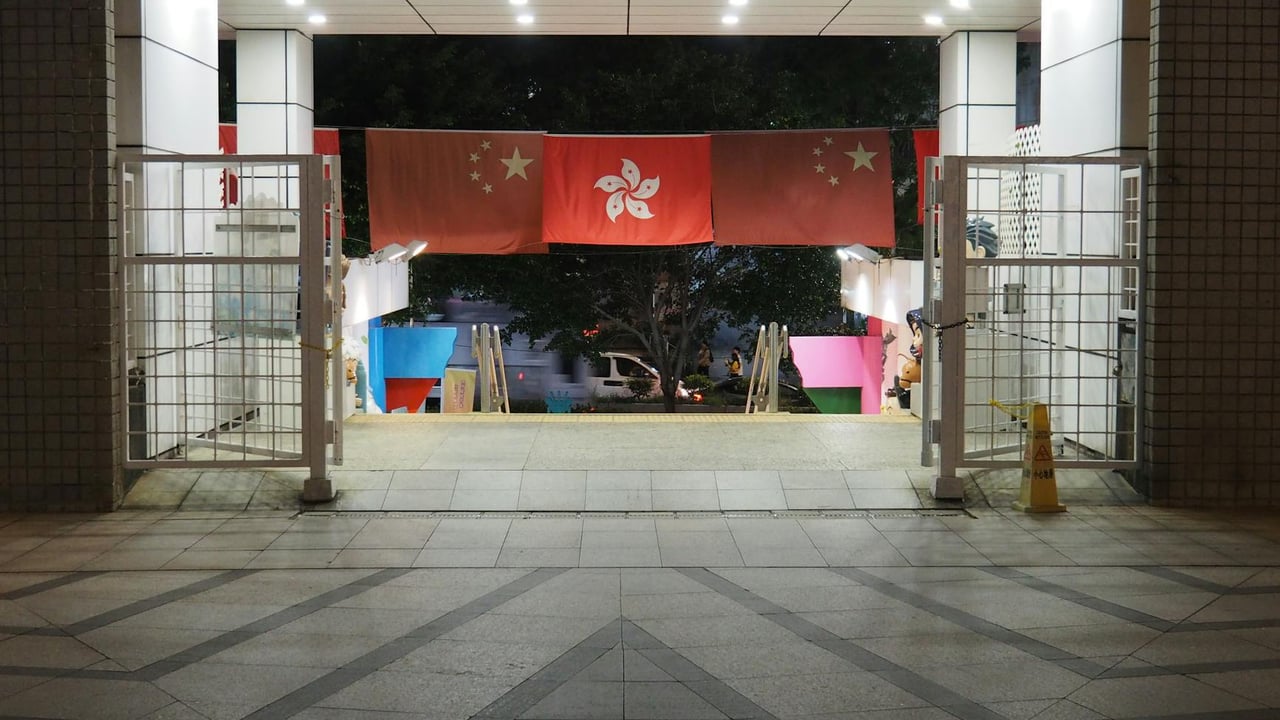
Central to the narrative of this mission is the inclusion of Lai Ka-ying, a former member of the Hong Kong Police Force and the city’s first-ever astronaut to be selected for a national space mission. Her journey from the streets of Hong Kong to the cockpit of a Shenzhou spacecraft serves as a potent vehicle for Beijing’s domestic messaging. It reinforces the narrative of national integration, suggesting that the most elite tiers of the Chinese state are now accessible to residents of the Special Administrative Region.
Technically, Shenzhou-23 continues the stabilization of the Tiangong space station as a permanent laboratory for advanced materials science and life-support testing. The mission comes at a time of heightened global competition, with China maintaining a steady cadence of launches that contrasts with the more experimental and often delayed cycles seen in Western commercial space programs. This reliability has become the hallmark of the China Manned Space Agency, projecting an image of calm, calculated competence to the international community.
Beyond the immediate crew operations, the mission underscores China’s long-term strategic goal of becoming the world’s preeminent space power by 2030. By successfully integrating personnel from varied backgrounds—including those from Hong Kong and the recently announced lunar selection rounds—Beijing is building a broader human infrastructure for its eventual goals of a permanent lunar base and manned Mars exploration. This mission is less about new frontiers and more about the perfection of the machinery of state power in the final frontier.