
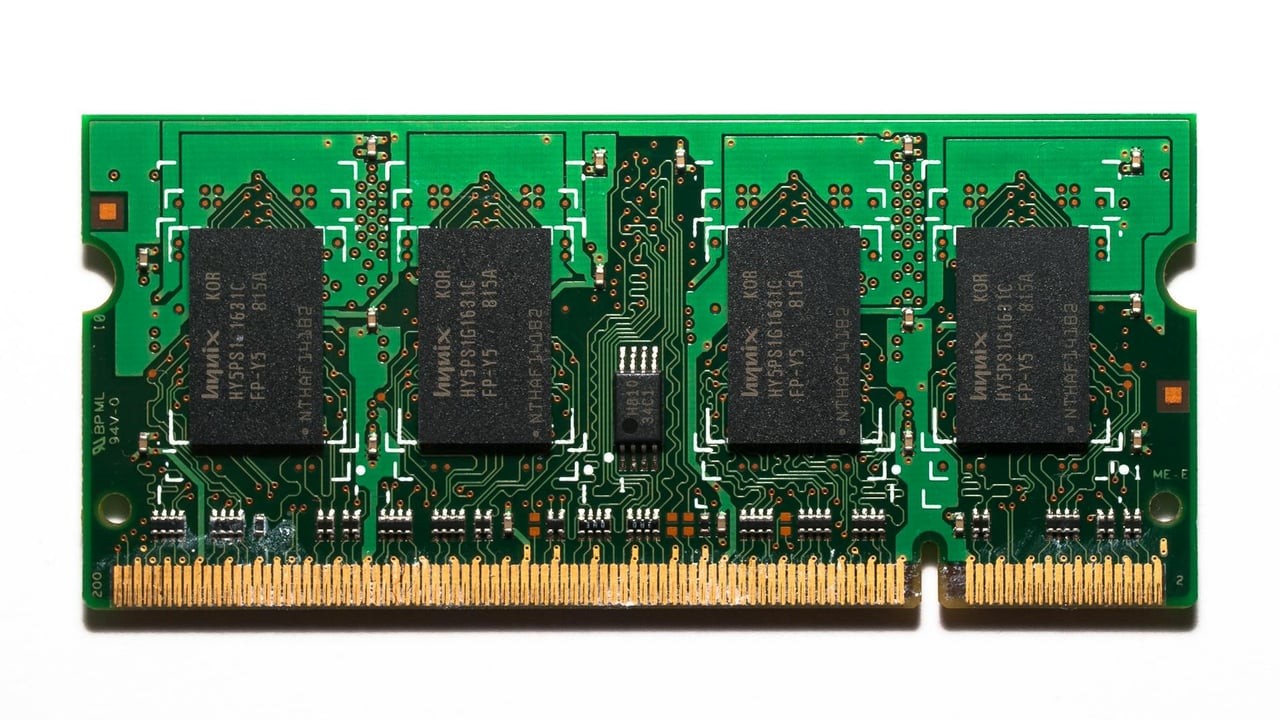

The global scramble for high-bandwidth memory (HBM) chips has moved beyond the balance sheets of tech giants and into the luxury car showrooms of Seoul. Employees at SK Hynix and Samsung Electronics, the two pillars of South Korea’s semiconductor industry, are reaping the rewards of an unprecedented market upswing driven by the generative AI explosion. Local dealerships report a surge in foot traffic from these 'chip elites,' with daily inquiries for vehicles priced above 100 million won ($73,000) becoming the new norm for the industry.
Financial performance in the first quarter of 2026 has been nothing short of staggering. SK Hynix saw its net profit soar by nearly 400% year-on-year to approximately $27.3 billion, while Samsung Electronics reported a 474% jump to $31.8 billion. This fiscal success is translating directly into employee compensation, with SK Hynix committing 10% of its operating profit to a performance bonus pool. Estimates suggest that by 2026, individual bonuses could reach as high as 700 million won ($510,000), a figure that has fundamentally shifted the social standing of these workers.
However, this wealth creation has not been without friction. Samsung Electronics recently narrowly averted a historic labor strike—the first in the company’s history—after intense negotiations over how these record profits should be distributed. A tentative agreement was reached only at the eleventh hour, granting workers a 10.5% share of operating profit in stocks and cash. This deal highlights a growing trend in South Korea’s corporate culture where employees are no longer satisfied with traditional seniority-based pay, demanding instead a transparent and direct link to the company’s technological wins.
The socio-economic implications are visible in the digital sphere as well. Google search trends for 'Ferrari dealerships' have spiked in South Korea, mirroring the stock price trajectories of the 'Memory Duo,' which have outperformed the broader KOSPI index significantly over the last year. As these companies cement their roles as the indispensable hardware providers for the AI era, the disparity between the semiconductor sector and the rest of the South Korean economy continues to widen, creating a distinct class of tech-wealth that is reshaping local consumer markets.