
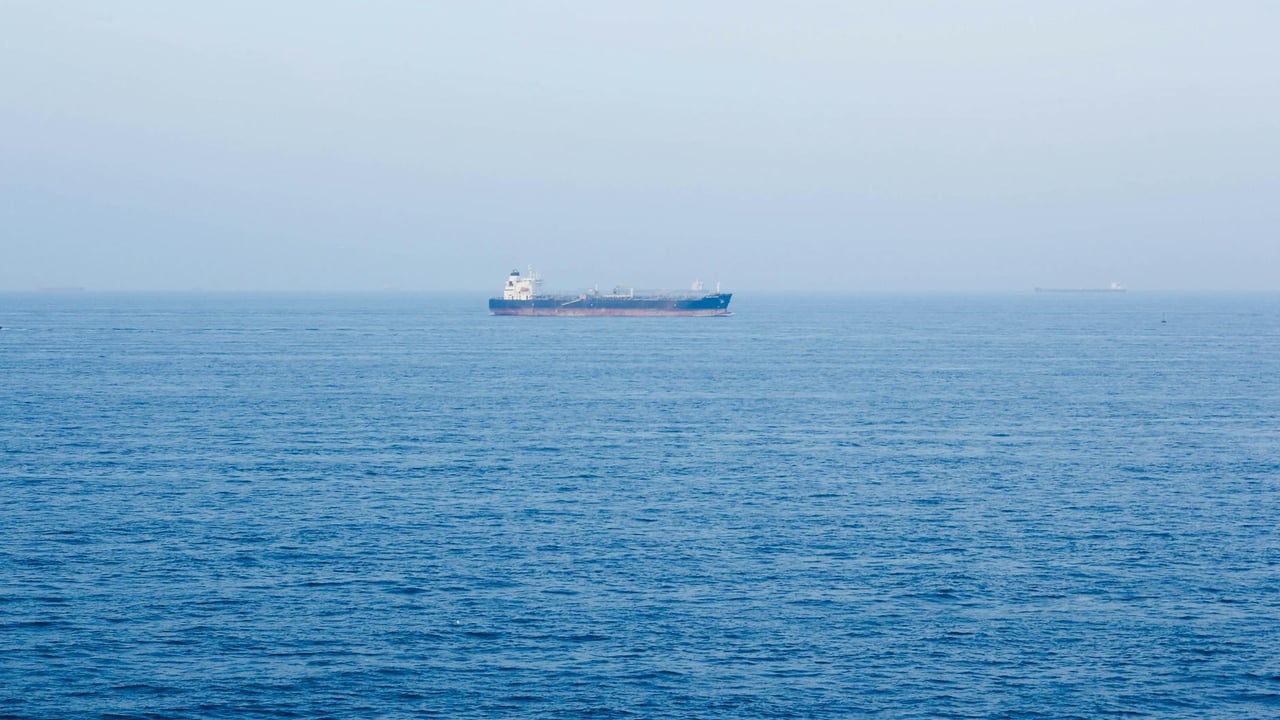

Donald Trump has signaled a dramatic shift in Middle East geopolitics, announcing that a preliminary agreement with Iran is nearing completion. The proposed deal centers on the reopening of the Strait of Hormuz, a vital artery for global energy markets that has been the site of intense recent hostilities. While the American president projects confidence that the pact is ready for finalization, the path to a signatures remains cluttered with technical disputes and regional anxiety.
The diplomatic push appears to be a multi-layered effort involving a 'phone summit' with leaders from Saudi Arabia, the UAE, Qatar, and Egypt. Crucially, Pakistan has emerged as a key mediator, with its military leadership facilitating a 'peace memorandum' that seeks a 60-day window for comprehensive end-of-war negotiations. This suggests a concerted regional effort to de-escalate a conflict that has pushed the global economy to the brink.
However, the narrative of a clean breakthrough is already being challenged by Tehran. Iranian state media has clarified that even if an agreement is reached, the Strait of Hormuz will remain under Iranian 'management' rather than returning to a pre-war state of 'free passage.' This semantic battle over 'regulated transit' versus 'open waters' highlights the significant friction that remains in the final stages of the drafting process.
In Israel, the reaction has been one of alarm rather than relief. Prime Minister Benjamin Netanyahu has reportedly convened emergency meetings with his security cabinet to address a deal he views as 'disastrous.' The Israeli concern stems from the reported scope of the agreement, which focuses on maritime access and economic relief—including the unfreezing of Iranian assets—while notably sidelining Tehran’s ballistic missile program and nuclear ambitions.
For the Trump administration, the deal represents a high-stakes gamble on 'America First' diplomacy, aiming to secure energy routes and reduce military commitments. Yet, with American officials warning that a final decision has not been made and that further strikes remain an option, the memorandum stands as a fragile bridge over a still-volatile chasm. The coming days will determine if this is a genuine pivot toward peace or merely a temporary tactical pause.