
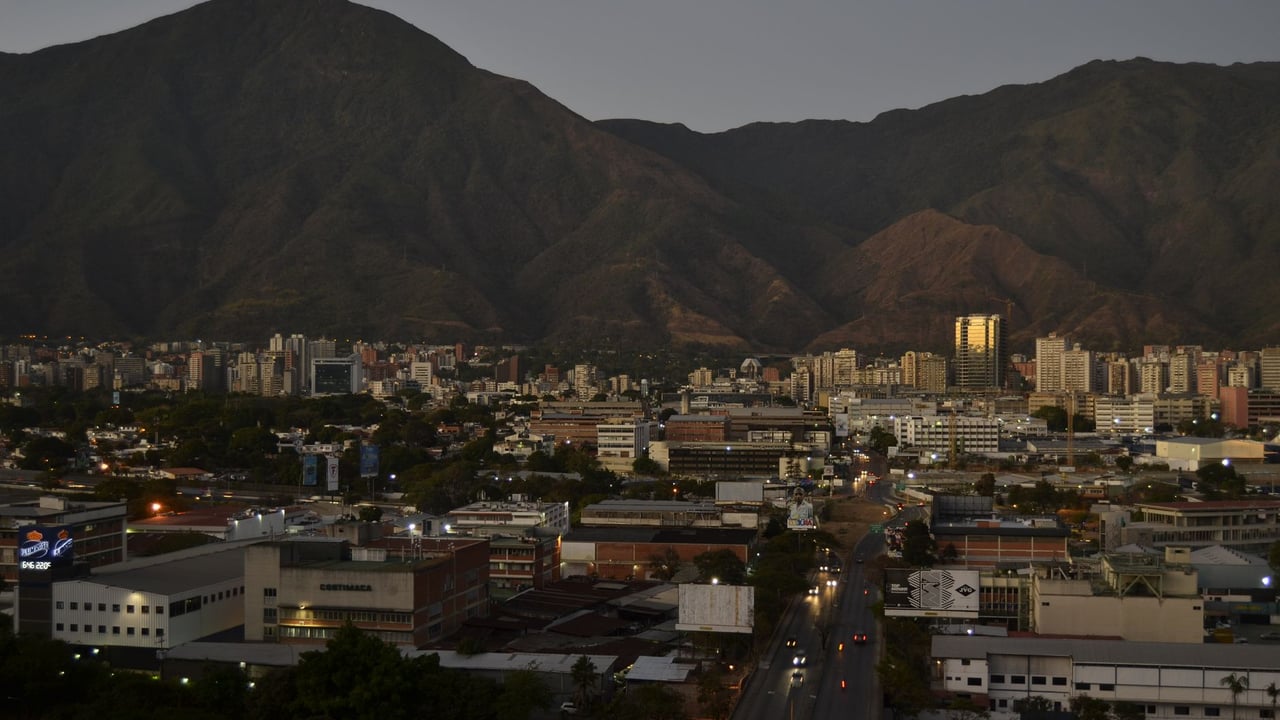

The skies over Caracas witnessed a stark display of the shifting geopolitical landscape this weekend as U.S. military aircraft conducted formal exercises in the Venezuelan heartland. These maneuvers mark the first major military demonstration since the seismic events of January 2026, when a large-scale U.S. intervention resulted in the removal of Nicolás Maduro from power. For a city long defined by its defiance of Washington, the roar of American engines serves as a visceral reminder of the new administrative reality governing the nation.
While the Pentagon has characterized the May 23rd drills as routine operational training, the strategic messaging is unmistakable. By operating openly in the capital, the United States is signaling that the transitional phase of its intervention is maturing into a more permanent security architecture. This presence is designed not only to deter remnants of the former regime’s paramilitary groups but also to reassure regional allies that the U.S. commitment to a post-Chavista Venezuela is resolute.
The exercise comes at a delicate time for the hemispheric balance of power. After years of economic collapse and political stalemate, the forceful removal of the Maduro administration earlier this year has left a power vacuum that Washington is keen to fill before rival influences can recalibrate. These drills are as much about territorial presence as they are about training, serving as a 'soft power' demonstration of military logistical dominance in South America.
However, the optics of foreign military hardware in the streets of Caracas remain a double-edged sword. While proponents argue that such presence is necessary for stabilization and the distribution of humanitarian aid, critics view it as the ultimate realization of a modern Monroe Doctrine. As the U.S. military begins to formalize its footprint, the challenge will be transitioning from an occupying force to a partner in a nation still reeling from decades of institutional decay.