
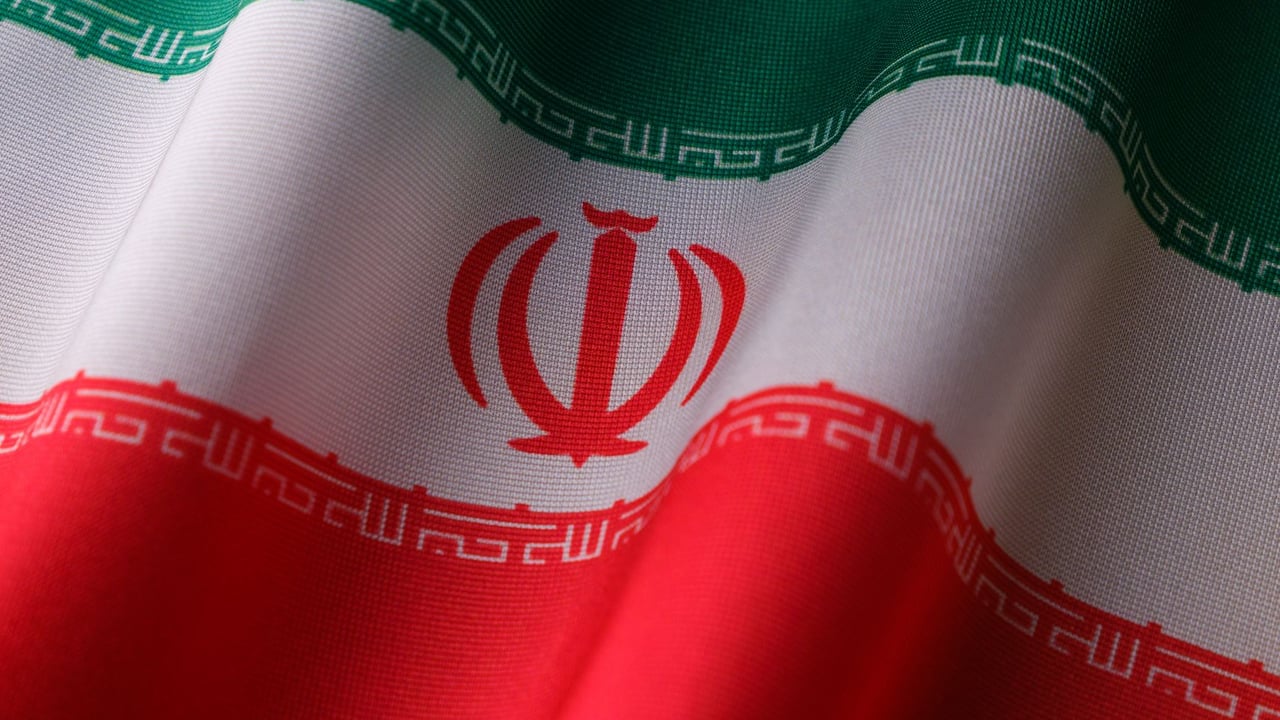

Iran's judicial arm has issued a stark warning to domestic dissenters and foreign intelligence assets alike with the execution of Mojtaba Kian. Accused of channeling defense secrets to the United States and Israel, Kian’s death highlights the regime's heightened sensitivity during a period of regional volatility. The official state media apparatus, citing the judiciary’s Mizan news agency, framed the act as a necessary measure to protect the nation’s core military interests.
Kian’s alleged crimes centered on the transmission of sensitive data concerning Iran’s defense industry. This sector remains the backbone of the Islamic Republic’s "Forward Defense" strategy, encompassing its controversial drone and missile programs. By framing the execution as occurring "during conflict," Tehran is broadcasting its resolve to maintain absolute secrecy over its military capabilities at a time when its regional influence is under intense scrutiny.
The timing of this execution suggests a period of active military or cyber engagement where intelligence leaks carry existential weight for the Iranian leadership. For the judiciary, the death penalty serves as a grim deterrent intended to seal leaks in an increasingly porous security environment. This move reflects a broader trend within the Iranian state to conflate internal dissent with external espionage, thereby justifying a heavy-handed approach to domestic security.
Ultimately, the publicizing of Kian's execution serves a dual purpose: it signals to Western intelligence agencies that their networks are being monitored, while simultaneously warning the Iranian public of the lethal consequences of cooperation with foreign powers. As the shadow war between Iran and its adversaries intensifies, the line between state security and judicial retribution continues to blur, leaving little room for due process in cases of alleged treason.