Japan’s Rightward Tilt: Takaichi’s ‘War-Ready’ Ambitions Face Growing Domestic Dissent

The Takaichi administration is pushing for a significant expansion of Japan's military capabilities and executive powers through constitutional and security policy revisions. Critics warn this 'war-ready' agenda threatens democratic norms, while declining approval ratings suggest a public more concerned with economic stability than military assertiveness.

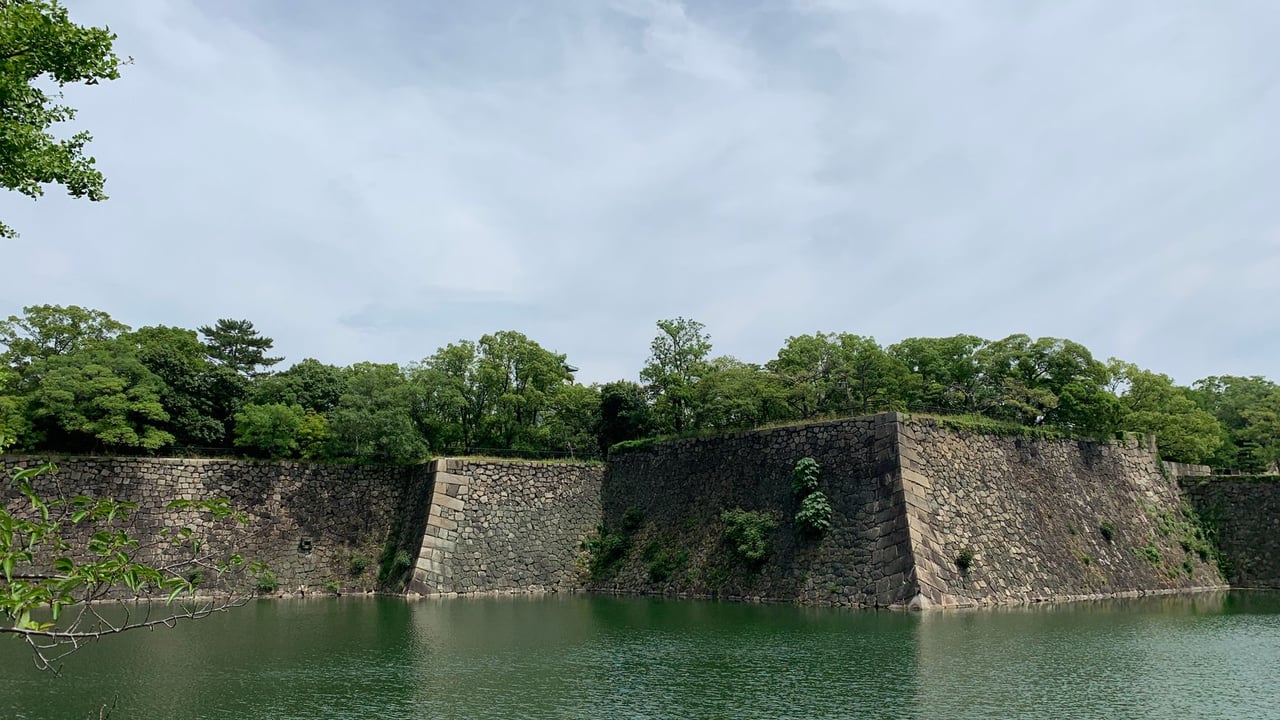
Scenic view of a castle moat surrounded by lush greenery and historic stone walls in Osaka, Japan.

Key Takeaways

  • 1The LDP is moving to revise Japan's Three Security Documents to facilitate higher defense spending and enhanced air and sea power.
  • 2A proposed 'Emergency Clause' would grant the Cabinet unprecedented decree powers, sparking fears of democratic backsliding.
  • 3Former Asahi Shimbun journalist Shotaro Waki characterizes the administration's direction as a return to militarism.
  • 4Public support for the Takaichi cabinet is falling as the administration fails to address economic issues like inflation and wage growth.
  • 5The tension between ideological defense goals and domestic economic pragmatism is becoming the defining challenge for the current government.

Editor's
Desk

Strategic Analysis

The Takaichi administration represents the most assertive wing of the LDP, attempting to finalize the project of 'normalizing' Japan that began under Shinzo Abe. However, by framing the mission as becoming a 'can-war nation,' the administration has invited accusations of historical revisionism and authoritarianism. The strategic significance lies in the disconnect between Tokyo's geopolitical ambitions and its domestic economic health. While Washington may welcome a more capable Japanese military partner, a government that prioritizes defense over social stability faces a precarious future. If Takaichi cannot reconcile her hawkish security agenda with the 'bread and butter' needs of the Japanese electorate, the push for constitutional revision may stall, leading to another period of leadership instability in Tokyo.

China Daily Brief Editorial
Strategic Insight
China Daily Brief

The administration of Sanae Takaichi is moving aggressively to dismantle the remnants of Japan’s post-war pacifism, seeking a wholesale revision of the nation’s foundational security framework. Recent discussions within the Liberal Democratic Party’s (LDP) Security Research Commission indicate a determined push to overhaul the 'Three Security Documents,' the core pillars of Japan's defense policy. This shift aims to significantly boost defense expenditures and modernize maritime and aerial capabilities, positioning Japan not just as a defensive island nation, but as a proactive military power.

Critiques from veteran observers, such as former Asahi Shimbun journalist Shotaro Waki, suggest that Takaichi’s ultimate mission is the construction of a 'war-ready nation.' To critics, these maneuvers represent more than just strategic modernization; they signal a regression toward a pre-war militaristic state structure. The administration’s rhetoric focuses on the necessity of strength in an increasingly volatile Indo-Pacific, yet the domestic cost of such a pivot is becoming a central point of political friction.

Beyond military hardware, the Takaichi government is championing a controversial 'Emergency Clause' for the Japanese constitution. This provision would allow for the extension of parliamentary terms during national crises and grant the Cabinet the power to issue 'emergency decrees' with the force of law. Waki and other democratic watchdogs warn that such a move would centralize power to a degree not seen in the post-war era, potentially hollowing out the democratic checks and balances that have defined Japan for eight decades.

However, the administration’s ideological zeal is colliding with harsh economic realities. Recent polling by the Mainichi Shimbun reveals a steady decline in cabinet support over the past two months, as voters lose patience with stagnant wages and rising inflation. While the Takaichi government initially enjoyed high approval based on the 'expectation' of reform, the failure to translate hawkish national pride into improved living standards is creating a widening gap between the LDP’s military ambitions and the public’s economic anxieties.

Share Article

Related Articles

📰
No related articles found