Sentinels of the State: Iran Executes Alleged Defense Spy Amid Escalating Shadow War

Iran has executed Mojtaba Kian for allegedly providing intelligence on the nation's defense industry to the United States and Israel. The case highlights Tehran's intensifying efforts to protect its military secrets amid a long-running 'shadow war' with Western and regional rivals.

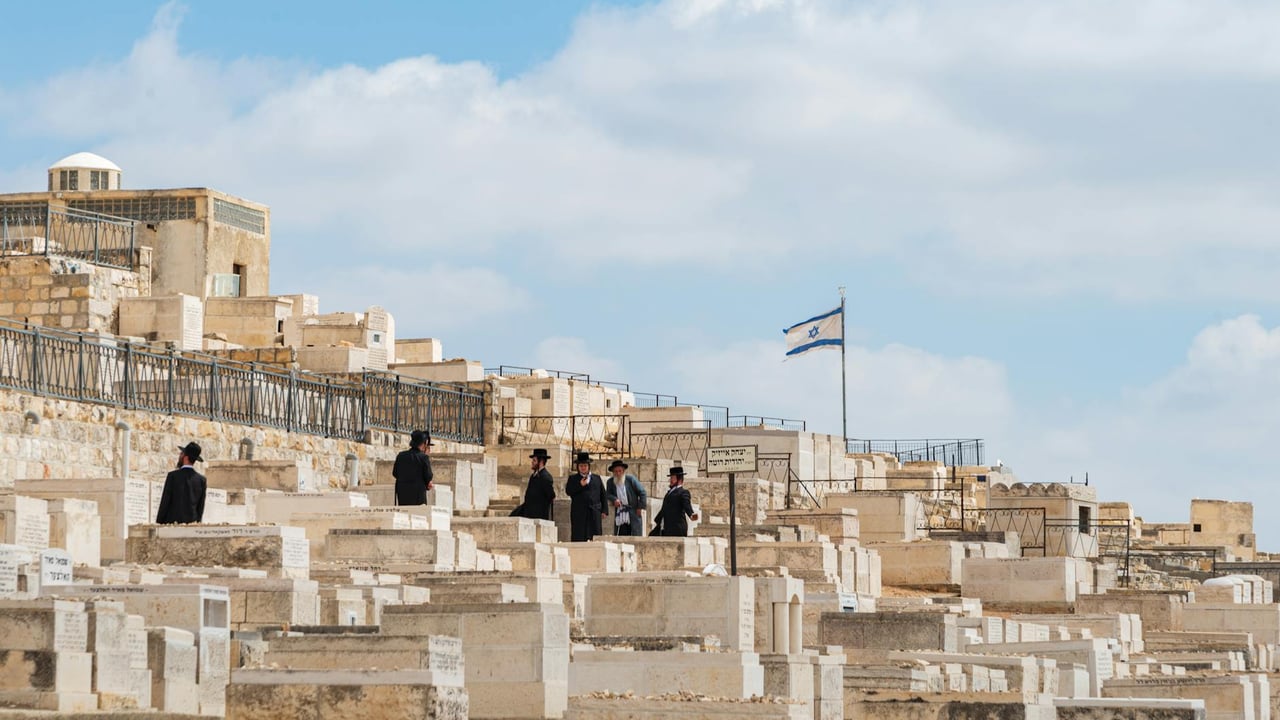
Orthodox Jewish men gather at Mount of Olives Cemetery in Jerusalem, Israel, under a clear sky.

Key Takeaways

  • 1Mojtaba Kian was executed on May 24 after being convicted of spying for the U.S. and Israel.
  • 2The convict allegedly leaked sensitive data regarding Iran’s domestic defense industry.
  • 3The execution was publicized through the Iranian judiciary's official media channels.
  • 4This move reflects a broader Iranian strategy to deter internal informants and plug security leaks.
  • 5The event occurs within the context of a long-standing intelligence and sabotage conflict between Iran and its adversaries.

Editor's
Desk

Strategic Analysis

The execution of Mojtaba Kian is a calculated signal of the Islamic Revolutionary Guard Corps' (IRGC) resolve to shield Iran's military-industrial complex. As Iranian-made drones and missiles become more prominent in global conflicts, the premium on intelligence regarding their production and supply chains has skyrocketed. This use of capital punishment serves a dual purpose: it acts as a brutal deterrent for potential recruits of foreign intelligence services and provides a convenient scapegoat for any technical failures or sabotage within the defense sector. Strategically, Tehran is doubling down on a 'fortress' mentality, prioritizing internal security as it navigates economic pressure and external military threats.

China Daily Brief Editorial
Strategic Insight
China Daily Brief

Tehran has signaled a sharpening of its internal security posture with the execution of Mojtaba Kian, a man convicted of relaying sensitive defense data to American and Israeli intelligence agencies. The move, reported by the judiciary-linked Mizan news agency, underscores the Islamic Republic’s growing sensitivity regarding its military-industrial secrets during a period of heightened regional volatility.

Kian’s death follows a series of high-profile security breaches that have plagued the Iranian establishment over recent years. From the assassination of top nuclear scientists to mysterious explosions at missile production facilities, the ongoing intelligence war between Tehran and its primary adversaries has increasingly moved into the domain of high-stakes industrial espionage.

By publicizing the execution, the Iranian leadership aims to project an image of vigilance and control to both a domestic audience and foreign intelligence services. The defense sector remains the crown jewel of Iran’s regional power projection, housing the drone and ballistic missile programs that form the backbone of its strategic deterrence and foreign policy.

For Washington and Jerusalem, the loss of an asset—or even the public claim of one—represents the tactical friction inherent in the ongoing mission to penetrate Iranian circles. However, international observers often view such public trials and executions as political theater designed to consolidate power and deter internal dissent through the use of capital punishment.

Share Article

Related Articles

📰
No related articles found