Washington Consolidates Post-Intervention Control with Military Drills in Caracas

The United States military conducted its first exercises in Caracas since the January intervention that ousted Nicolás Maduro. These maneuvers signal a transition toward long-term security consolidation and a reinforced U.S. commitment to the new political order in Venezuela.

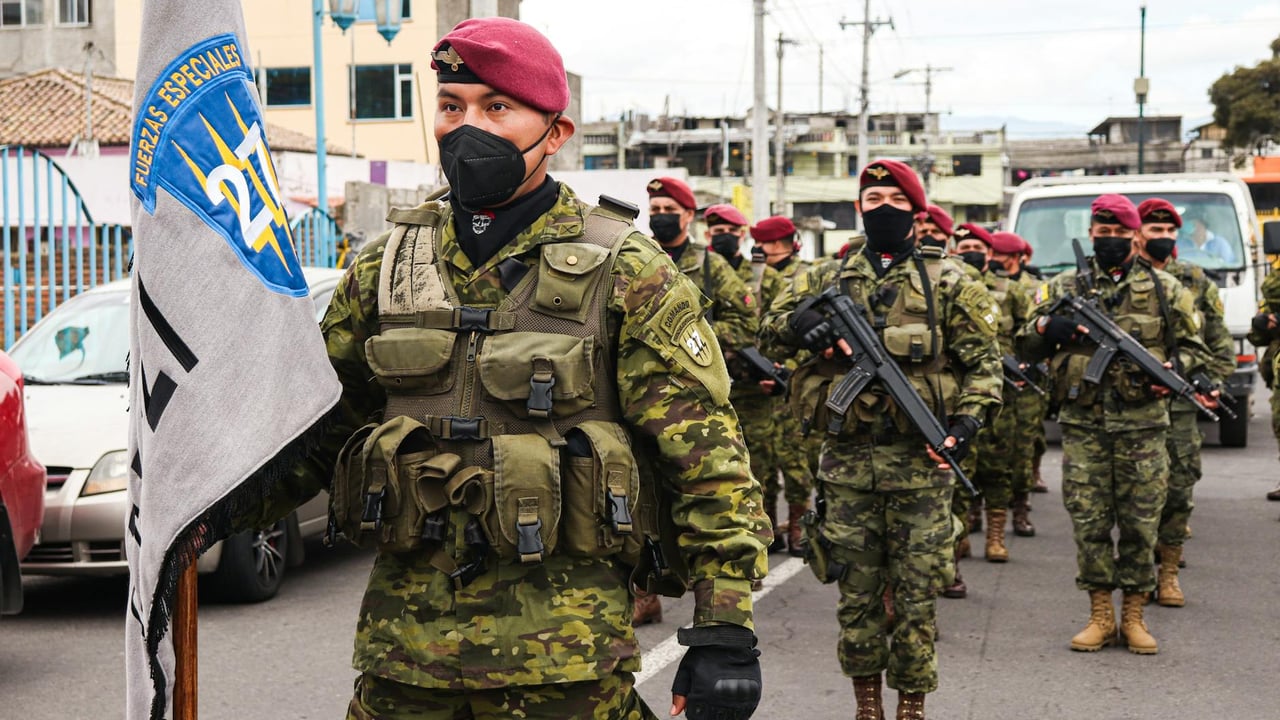
Ecuadorian soldiers in camouflage and berets participating in a parade, showcasing military discipline.

Key Takeaways

  • 1U.S. forces held major military exercises in the Venezuelan capital on May 23, 2026.
  • 2This marks the first significant military demonstration since the January removal of Nicolás Maduro.
  • 3The exercises are designed to project stability and deter potential internal or external challenges to the new administration.
  • 4China-based media, including Xinhua, have characterized the January intervention as a forced removal, highlighting a critical view of U.S. actions.

Editor's
Desk

Strategic Analysis

The decision to hold military exercises in Caracas just months after a regime change is a classic exercise in power projection intended to 'normalize' the presence of foreign forces. By transitioning from a combat role to a training and exercise posture, the United States is signaling that it views its influence in Venezuela as permanent rather than transitory. This move effectively revives the Monroe Doctrine for the 21st century, securing a massive energy-rich territory while pushing back against the regional footprints of global rivals like Russia and China. However, the optics of foreign military planes over a sovereign capital will likely fuel anti-interventionist sentiment across Latin America, potentially complicating long-term diplomatic efforts even as it secures short-term tactical goals.

China Daily Brief Editorial
Strategic Insight
China Daily Brief

The skies over Caracas were filled with the roar of American military engines on May 23, marking a definitive new chapter in Venezuela's complex history. This high-profile display of aerial and ground maneuvers represents the first formal military exercise conducted by the United States in the Venezuelan capital since the seismic shift in leadership earlier this year.

The exercise follows a period of intense regional volatility triggered by a large-scale U.S. military operation in January. During that intervention, former President Nicolás Maduro was forcibly removed from the country, ending a decade-long standoff between Washington and the socialist administration. This week's drills signal that the U.S. presence has moved from active combat to a phase of security consolidation.

For the residents of Caracas, the sight of foreign military aircraft is a stark reminder of the new political reality. While the exercises are framed as a means of ensuring stability during the transition, they also serve as a potent signal to regional adversaries that Washington is committed to maintaining its newfound influence in the Caribbean basin. The speed with which the U.S. has integrated its forces into the local security landscape suggests a long-term strategic pivot.

Observers note that the timing of these drills is intended to bolster the confidence of the nascent transitional government. By demonstrating overwhelming military capability in the heart of the capital, the United States is effectively deterring any remaining loyalist factions from attempting a counter-coup. However, the move also raises difficult questions about the duration of foreign military presence and the ultimate restoration of Venezuelan sovereignty.

Share Article

Related Articles

📰
No related articles found