
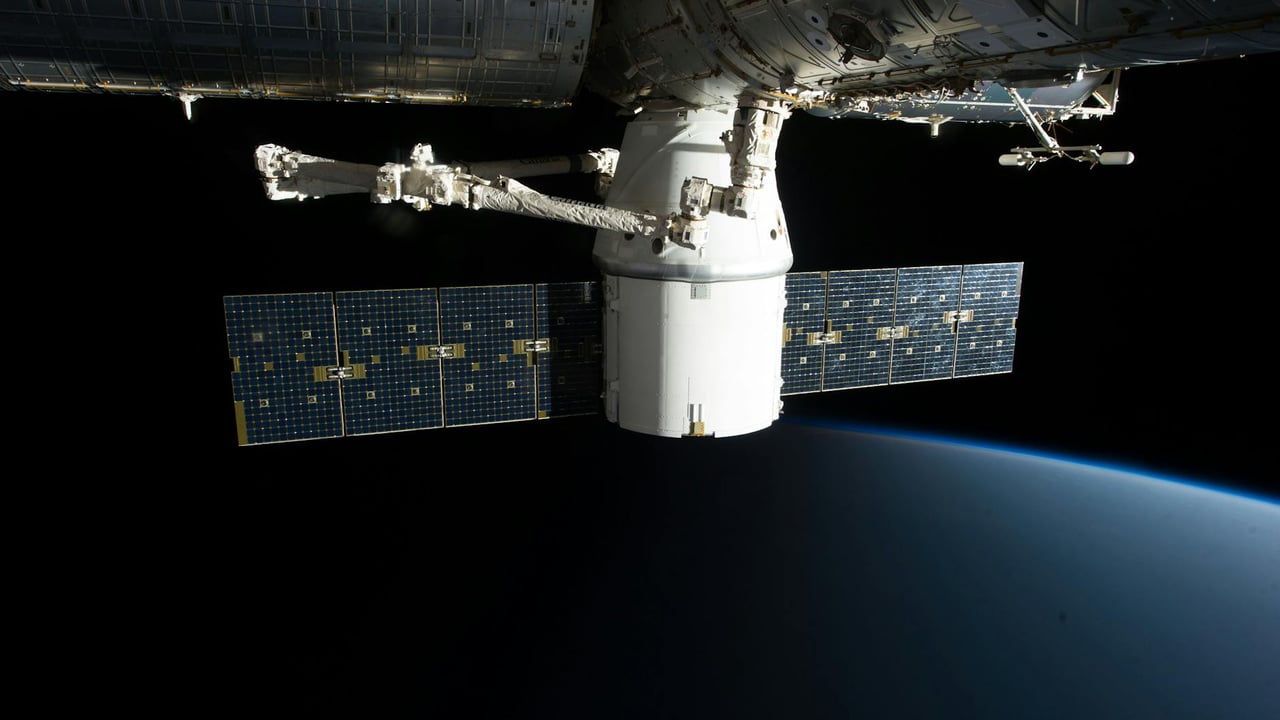

China’s aerospace ambitions reached a new milestone on May 25, 2026, as the Shenzhou-23 manned spacecraft successfully docked with the Tiangong space station. The automated fast-docking maneuver, executed at the Tianhe core module’s radial port, was completed in approximately 3.5 hours. This rapid rendezvous demonstrates the increasing maturity of the China Manned Space Agency’s (CMSA) orbital logistics and navigation capabilities.
The mission is distinguished by the inclusion of Lai Ka-ying, the first astronaut from the Hong Kong Special Administrative Region to enter orbit. Her arrival at the station represents a significant victory for Beijing’s efforts to foster national identity and integrate the 'Greater Bay Area' into the country’s high-tech achievements. Lai, a former member of the Hong Kong Police Force, joins two other crew members, Zhang Zhiyuan and Zhu Yangzhu, for a six-month stay.
Upon entering the Tianhe core module, the Shenzhou-23 crew was greeted by the outgoing Shenzhou-21 team, who have occupied the station since late 2025. This routine handover highlights the station’s shift from a construction phase to a permanent, long-term operational status. The transition between crews ensures that the Tiangong station remains continuously inhabited, mimicking the operational model of the International Space Station (ISS).
The crew is scheduled to conduct a variety of experiments in microgravity, focusing on space life sciences, material physics, and medicine. As the ISS nears its planned retirement at the end of the decade, China is positioning Tiangong as the primary hub for international space cooperation. This mission reinforces the narrative of China as a leading, self-reliant space power capable of maintaining a sophisticated outpost in Low Earth Orbit.