Celestial Integration: Shenzhou-23 Launch Marks a New Chapter for China’s Space Program

The successful launch of Shenzhou-23 on May 24, 2026, marks a historic milestone for China as it includes the first astronaut from Hong Kong. This mission reinforces the operational stability of the Tiangong Space Station and serves as a powerful symbol of national unity and technological progress.

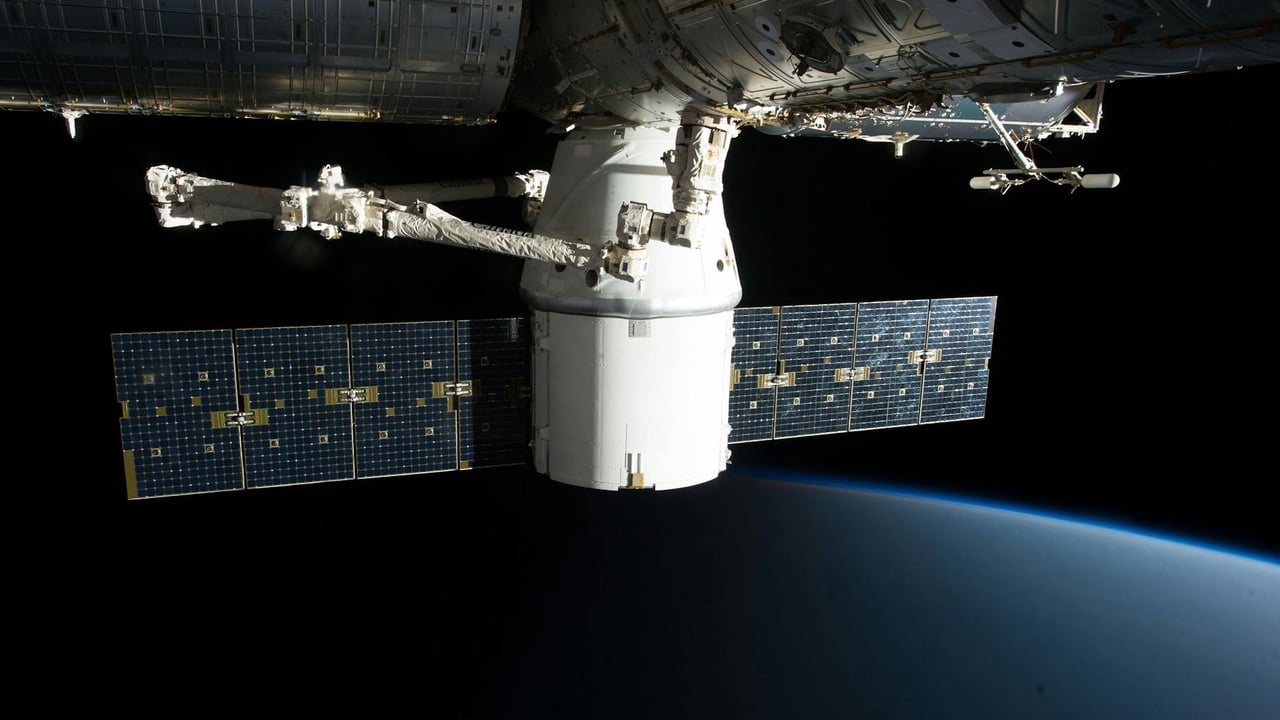
Image of the International Space Station floating above Earth with visible solar panels.

Key Takeaways

  • 1Shenzhou-23 successfully launched on May 24, 2026, as part of China's regular crew rotation for the Tiangong Space Station.
  • 2The mission features Li Jiaying, the first payload specialist from Hong Kong, highlighting the integration of the Special Administrative Regions into national strategic projects.
  • 3The crew will focus on advanced scientific research and testing life-support systems required for future deep-space missions.
  • 4The launch received significant attention from Hong Kong and Macau, framing the space program as a vehicle for national identity.
  • 5China's space program continues to meet its self-imposed deadlines, positioning it as a consistent rival to Western space agencies.

Editor's
Desk

Strategic Analysis

The Shenzhou-23 mission is a masterclass in space-based soft power. By including a specialist from Hong Kong, the Chinese leadership is effectively utilizing the space program to bridge the political and cultural gaps between the mainland and the Special Administrative Region. This 'orbital diplomacy' serves to validate the 'One Country, Two Systems' framework through shared technological glory. Strategically, the mission confirms that China has achieved a sustainable, industrial-scale rhythm for manned spaceflight, which is a prerequisite for its more ambitious goals of landing taikonauts on the moon by 2030. For a global audience, this signifies that Tiangong is no longer a nascent project but a fully realized competitor to the International Space Station.

China Daily Brief Editorial
Strategic Insight
China Daily Brief

China has successfully launched the Shenzhou-23 crewed spacecraft, marking another steady stride in the operational lifecycle of the Tiangong Space Station. The mission, which lifted off from the Jiuquan Satellite Launch Center, underscores the maturity of the country’s space infrastructure and its ability to maintain a constant human presence in low Earth orbit. This launch is not merely a technical achievement but a significant milestone in Beijing’s broader strategy of national integration through high-stakes science.

At the heart of the Shenzhou-23 mission is the inclusion of Li Jiaying, a payload specialist from Hong Kong. Her selection represents the first time a resident from the Special Administrative Region has joined the national space program, a move that has been widely celebrated across Hong Kong and Macau. By involving experts from the Greater Bay Area, Beijing is sending a clear signal about the inclusive nature of its national projects and the deepening ties between the mainland and its coastal financial hubs.

Beyond the symbolic value of its crew, the Shenzhou-23 mission continues the rigorous schedule of scientific experimentation and station maintenance that has characterized the Tiangong program. The crew, which also includes veteran and new-generation taikonauts like Zhang Zhiyuan, is tasked with advancing China's research into long-term human survival in space. This data is critical as the China Manned Space Agency (CMSA) sets its sights on future lunar landings and the establishment of a permanent base on the moon.

While international space competition remains fierce, particularly with NASA’s Artemis program, China’s approach focuses on a self-reliant and consistent launch cadence. The success of Shenzhou-23 demonstrates that the Tiangong station has moved past the construction phase into a period of high-utility research. This stable platform allows China to project technological leadership on the global stage while fostering a sense of immense national pride and domestic cohesion.

Share Article

Related Articles

📰
No related articles found