Celestial Integration: China’s Shenzhou-23 Mission Signals a New Era for the Greater Bay Area

China successfully launched the Shenzhou-23 mission to its Tiangong Space Station, featuring a crew that includes the first-ever payload specialist from Hong Kong. The mission highlights China's technical maturity and its strategic use of the space program to foster national integration between the mainland and the Special Administrative Regions.

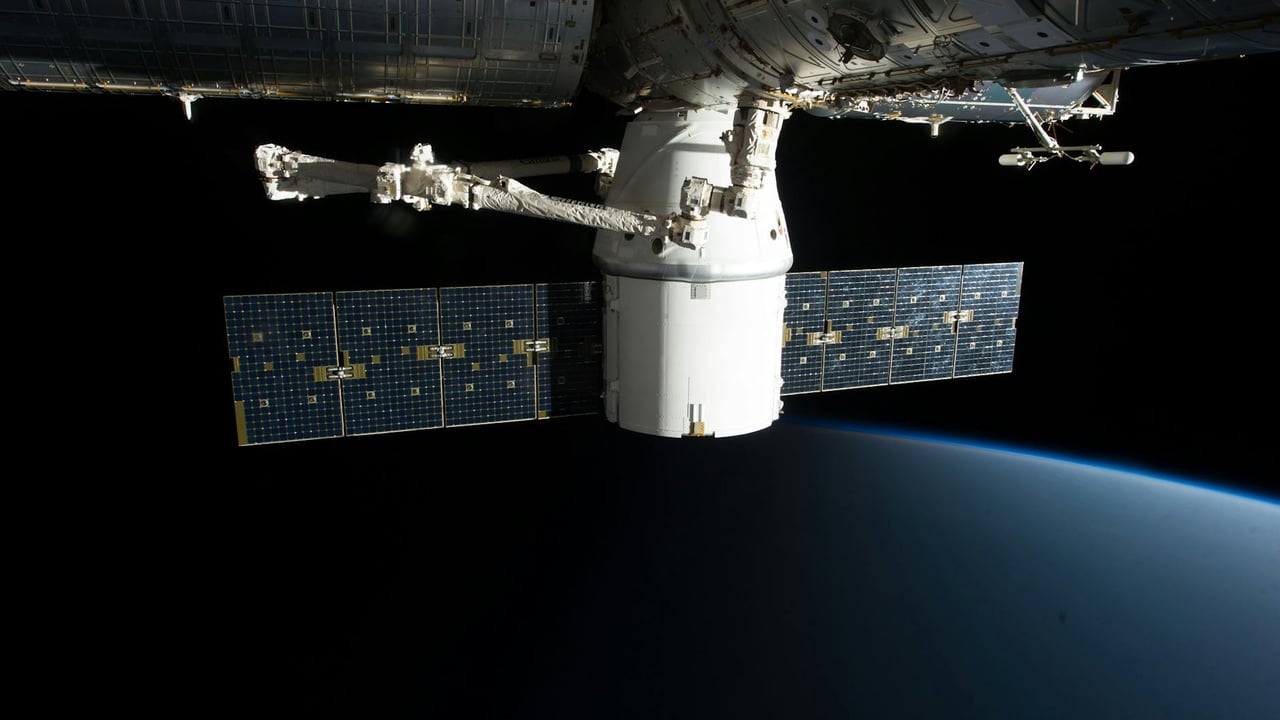
A SpaceX satellite hovering over Earth's horizon in outer space, showcasing advanced space technology.

Key Takeaways

  • 1Launch occurred on May 24, 2026, from Jiuquan using a Long March 2F Y23 rocket.
  • 2The crew consists of Zhu Yangzhu, Zhang Zhuiduan, and Hong Kong payload specialist Lai Ka-ying.
  • 3Lai Ka-ying’s inclusion marks the first time a Hong Kong citizen has participated in a manned space mission.
  • 4The mission signifies the operational maturity of the Tiangong Space Station and its integration into the national 'Greater Bay Area' strategy.
  • 5Beijing is leveraging the mission to promote national identity and showcase high-tech collaboration under the 'One Country, Two Systems' framework.

Editor's
Desk

Strategic Analysis

The Shenzhou-23 mission represents a pivot from purely 'proving capability' to 'demonstrating inclusivity' within the Chinese national identity. By placing a Hong Kong specialist on the crew, Beijing is effectively rebranding the space station as a shared asset for all of China, rather than just a mainland military-industrial achievement. This is a sophisticated soft-power play aimed at the Hong Kong public, designed to illustrate the tangible benefits of integration. Strategically, as NASA focuses on the distant Artemis moon missions and the ISS faces structural obsolescence, China is perfecting the art of consistent, reliable, and politically resonant LEO (Low Earth Orbit) operations, positioning Tiangong as the primary hub for regional and international space diplomacy in the late 2020s.

China Daily Brief Editorial
Strategic Insight
China Daily Brief

On May 24, 2026, the Long March 2F Y23 carrier rocket roared to life at the Jiuquan Satellite Launch Center, propelling the Shenzhou-23 manned spacecraft into the morning sky. This latest mission to the Tiangong Space Station marks a significant milestone in Beijing’s long-term aerospace roadmap, transitioning from a period of station assembly to a phase of high-intensity, multi-regional operational utility.

While the technical precision of the launch reinforces the reliability of the Long March 2F series, the true significance lies in the crew manifest. The selection of Zhu Yangzhu, Zhang Zhuiduan, and particularly the Hong Kong-based payload specialist Lai Ka-ying (Li Jiaying), represents a masterstroke of political and scientific symbolism. Lai’s inclusion is the culmination of a multi-year effort to integrate talent from the Special Administrative Regions into the heart of China’s most prestigious national project.

For Beijing, the presence of a Hong Konger aboard Tiangong is more than a scientific endeavor; it is a powerful narrative tool for national unity. By involving the ‘Greater Bay Area’ in the high-stakes world of human spaceflight, the central government is signaling that the path to career pinnacles for Hong Kong’s youth now leads through the mainland’s institutional frameworks. This move aims to foster a shared sense of national pride and destiny that transcends the political frictions of the previous decade.

Technologically, Shenzhou-23 continues the routine ‘express delivery’ of personnel and experiments to Tiangong, which has now become a permanent fixture in low-Earth orbit. As the International Space Station nears its anticipated retirement, China’s consistent launch cadence and the diversifying background of its taikonauts suggest a maturing program that is increasingly confident in its role as a global—and regional—leader in space exploration.

Share Article

Related Articles

📰
No related articles found