Echoes of the Flying Tigers: Why a WWII Legacy Group is Funding Disaster Relief in Guangxi

Following two earthquakes in Liuzhou, the Sino-American Aviation Heritage Foundation has donated 200,000 yuan in cash and goods to support recovery efforts. The move highlights the enduring legacy of the WWII Flying Tigers as a bridge for modern Sino-American public diplomacy.

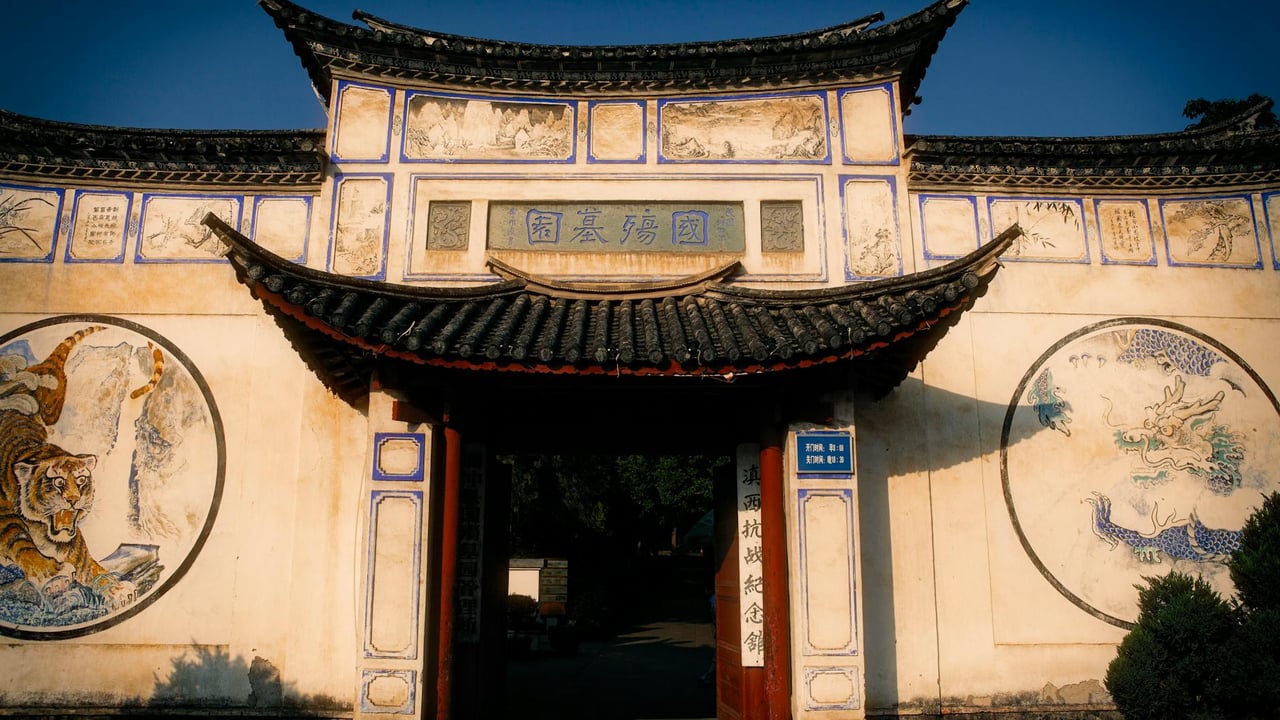
Ancient Chinese temple entrance adorned with dragon and tiger murals.

Key Takeaways

  • 1The Sino-American Aviation Heritage Foundation donated 100,000 yuan and 100,000 yuan worth of supplies to Liuzhou earthquake victims.
  • 2Liuzhou was a major base for the Flying Tigers (AVG) during World War II, providing essential logistics and transit for U.S. pilots.
  • 3The donation was coordinated through the Guangxi Overseas Chinese Love Foundation and local business partners.
  • 4Foundation Chairman Jeffrey Greene invoked the historical 'Flying Tigers' friendship as the motivation for the rapid humanitarian response.

Editor's
Desk

Strategic Analysis

This event underscores the strategic importance of 'nostalgia diplomacy' in the current US-China relationship. While high-level geopolitical tensions persist, both sides often utilize the legacy of the Flying Tigers as a rare, mutually positive historical touchpoint to signal a desire for cooperation. By framing disaster relief through the lens of wartime alliance, organizations like the SAAHF provide a non-political framework for engagement. For Beijing, highlighting such American-led humanitarian efforts serves to remind the domestic and international public of a time when the two nations were allies, potentially tempering the prevailing narrative of inevitable conflict.

China Daily Brief Editorial
Strategic Insight
China Daily Brief

Recent seismic activity in Liuzhou, Guangxi, has triggered an unexpected diplomatic resonance. Following two 5.2-magnitude earthquakes that struck the region on May 18, the Sino-American Aviation Heritage Foundation (SAAHF) swiftly mobilized aid, bridging an 80-year-old historical divide through modern humanitarian action.

In partnership with a local Guangxi enterprise, the California-based foundation donated 100,000 yuan in cash and an equivalent value in essential relief supplies. This gesture is more than mere charity; it is a calculated invocation of the 'Flying Tigers' spirit that once defined the peak of Sino-American cooperation during the Second World War.

During the 1940s, Liuzhou served as a critical logistical hub for General Claire Chennault’s American Volunteer Group. The city’s airfield was a vital lifeline for the pilots who helped China defend its skies against Japanese aggression, creating a bond that remains deeply embedded in the local collective memory and the foundation's mission.

Jeffrey Greene, Chairman of the SAAHF, emphasized that the aid reflects a shared history of mutual assistance across borders. By leveraging these historical ties, the foundation aims to maintain a cultural bridge at a time when formal diplomatic relations between Washington and Beijing are often characterized by strategic competition and frostiness.

This mobilization highlights the enduring power of sub-national and 'people-to-people' diplomacy in the Asia-Pacific. For local residents in Liuzhou, the aid serves as a reminder that the legacy of the Flying Tigers is not just a relic of the past, but a functioning channel for international solidarity during times of domestic crisis.

Share Article

Related Articles

📰
No related articles found