Muscles over Caracas: US Drills Signal a New Era in Venezuela

United States military forces conducted their first exercises in Caracas since the January operation that removed Nicolás Maduro. The drills signal a new phase of American security presence and the consolidation of influence in a transformed Venezuela.

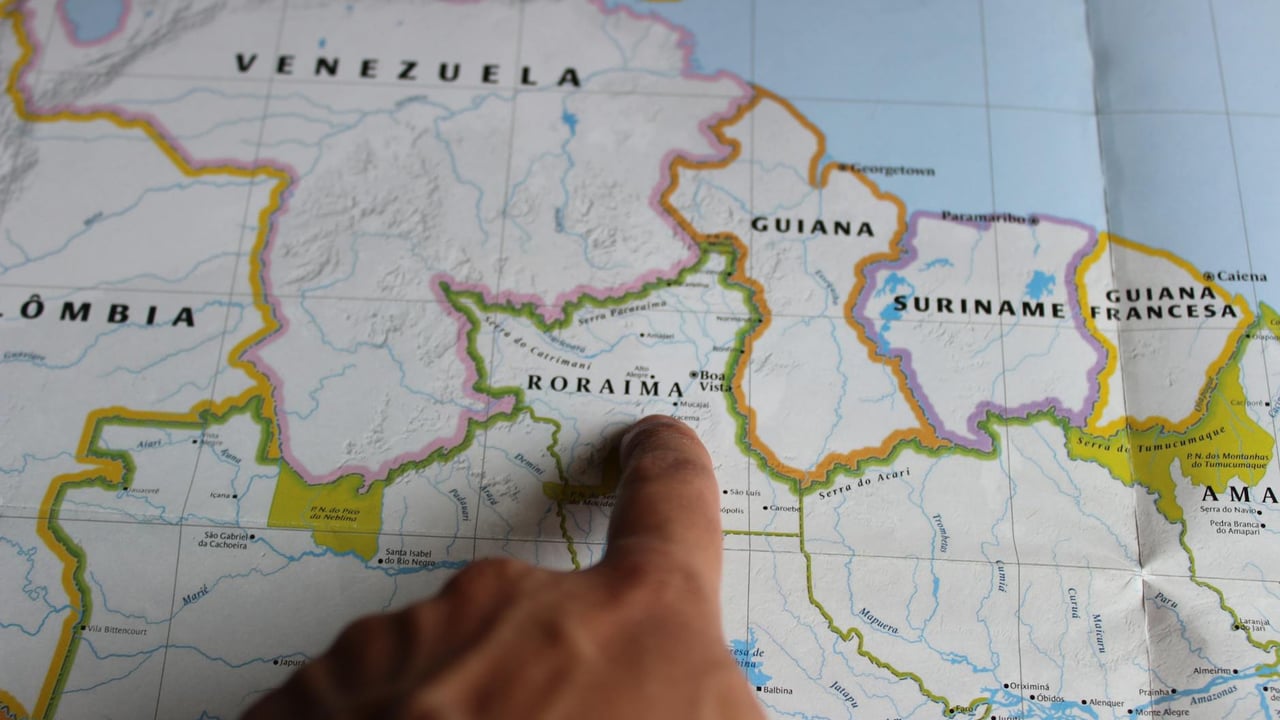
Discover Roraima, Brazil with a finger pointing on a detailed map.

Key Takeaways

  • 1First US military exercises held in the Venezuelan capital since the January intervention.
  • 2The drills follow the high-profile removal of former President Nicolás Maduro by US forces.
  • 3Washington is using the maneuvers to project regional stability and deter foreign rivals.
  • 4The event marks a significant shift in Latin American geopolitics and Venezuelan sovereignty.

Editor's
Desk

Strategic Analysis

The transition from intervention to active military presence indicates that the United States is moving into a role as a long-term security guarantor for Venezuela. These exercises are less about training for combat and more about the optics of dominance, intended to discourage remnants of the previous regime and send a clear message to international competitors. However, the semi-permanent presence of American hardware in a Latin American capital risks reviving historical grievances regarding regional sovereignty, a factor that Washington must carefully balance against its strategic goals of stabilizing the world's largest oil reserves.

China Daily Brief Editorial
Strategic Insight
China Daily Brief

The roar of American military engines echoed across the valley of Caracas on May 23, marking a stark visual and auditory shift in Venezuelan history. This series of maneuvers represents the first time the United States has conducted drills in the capital since the seismic military intervention in January that saw the forced removal of Nicolás Maduro.

The presence of American military hardware in the heart of Caracas serves as a potent reminder of the total realignment of Venezuelan governance. While the January operation was characterized by rapid, high-stakes kinetic action, these latest exercises are designed to project stability and administrative control over a nation still reeling from decades of political volatility.

Geopolitically, the move is a definitive signal to Moscow and Beijing that the era of Venezuelan alignment with the anti-Western axis has effectively ended. By flying sorties over the capital, Washington is consolidating its influence in its "near abroad," closing a chapter of Cold War-style brinkmanship that had come to define the Caribbean basin for over two decades.

Local reactions remain complex as the population navigates the transition from a socialist autocracy to a landscape under heavy American security influence. The drills are not merely a technical exercise but a symbolic "planting of the flag" intended to deter internal insurgencies and reassure international markets that the country’s vast oil reserves are now under a new umbrella of protection.

Share Article

Related Articles

📰
No related articles found