
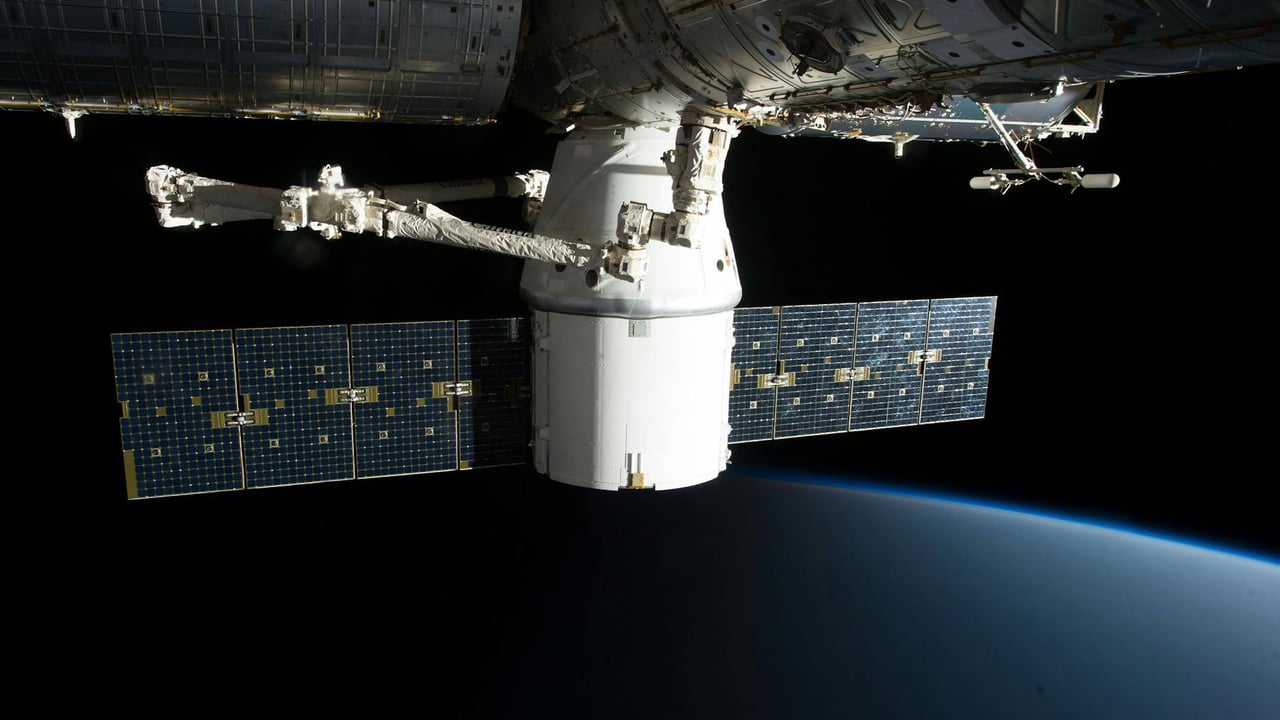

China’s Tiangong space station achieved another operational milestone on May 25, 2026, as the Shenzhou-23 crew successfully docked and entered the orbital outpost. This mission marks the eighth crew rotation in the station’s history, reinforcing Beijing’s capability to maintain a permanent, uninterrupted human presence in Low Earth Orbit. The Long March-2F carrier rocket lifted off from the Jiuquan Satellite Launch Center late Sunday night, with the spacecraft separating and entering its predetermined orbit approximately ten minutes after ignition.
The most politically significant aspect of this mission is the inclusion of the first astronaut from the Hong Kong Special Administrative Region. This inclusion serves as a potent symbol of national integration, showcasing the central government's efforts to involve the city’s scientific talent in the country's most prestigious strategic projects. Upon entering the station at 5:13 AM Beijing time, the new arrivals were greeted by the Shenzhou-21 crew, who are preparing to conclude their six-month tenure in orbit.
The successful handover highlights the increasing maturity and regularity of the China Manned Space Agency’s (CMSA) operations. While early missions were punctuated by years of preparation, the current cadence of biannual rotations demonstrates a streamlined logistical pipeline involving the Shenzhou crew ships and Tianzhou cargo vessels. This standardized cycle is essential as China looks toward more complex goals, including the expansion of the Tiangong station and its stated ambition of landing a manned mission on the moon by 2030.
As the International Space Station (ISS) nears its projected decommissioning at the end of the decade, China’s independent space infrastructure stands as a contrast to the aging Western-led equivalent. The presence of the Tiangong station offers Beijing a unique platform for international diplomacy and scientific collaboration, providing a critical alternative in a fragmented global space landscape. For now, the Shenzhou-23 crew will focus on scientific experiments and routine maintenance, continuing the station's transition from construction to a decade-long phase of application and development.