Trump’s Zero-Uranium Doctrine: A New Hardline Shift in the Middle East

President Trump has guaranteed Prime Minister Netanyahu that any future deal with Iran will require the total removal of enriched uranium and the dismantling of its nuclear program. The U.S. is also coordinating with Israel on maritime security in the Strait of Hormuz while supporting Israel's right to take independent military action against regional threats.

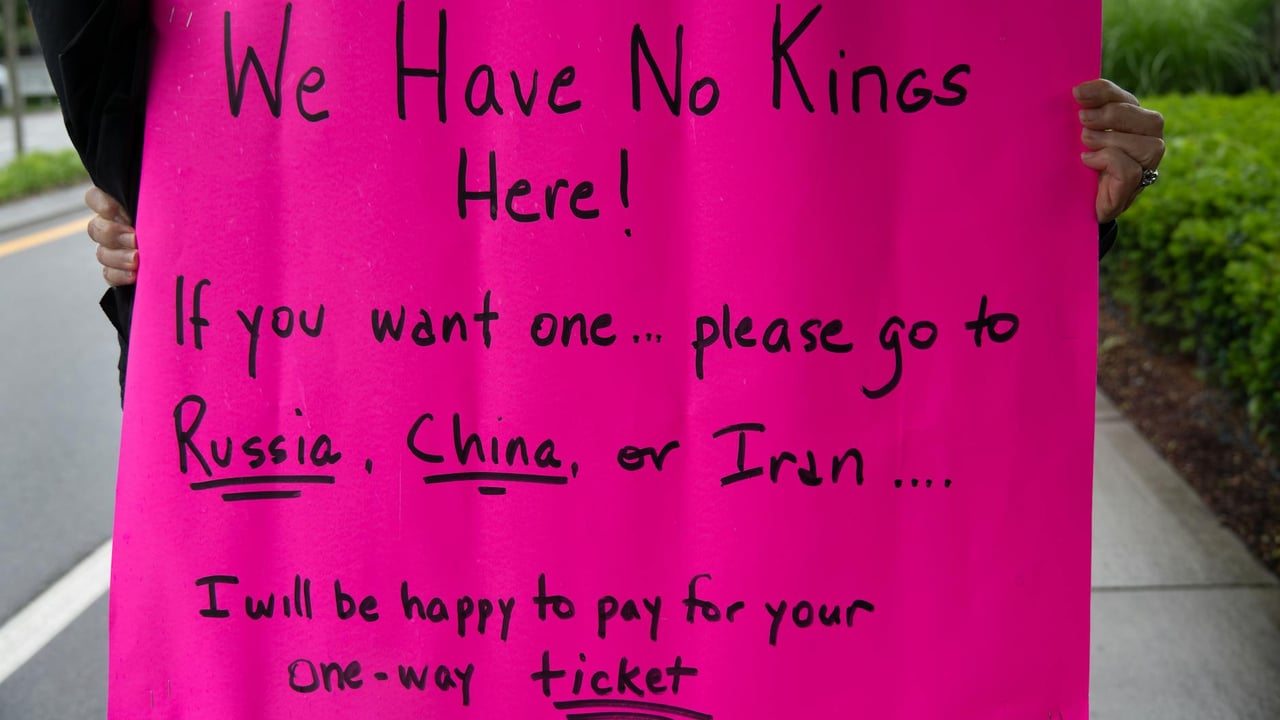
A vibrant protest sign in South Kingstown, Rhode Island, advocating against monarchies with political messaging.

Key Takeaways

  • 1Trump has set a 'zero uranium' mandate for any final nuclear agreement with Iran.
  • 2The U.S. is linking the nuclear negotiations to the reopening and security of the Strait of Hormuz.
  • 3Israel has secured U.S. backing for its 'freedom of action' to respond to threats unilaterally.
  • 4The administration is maintaining a policy of transparency with Israel throughout the negotiation process.
  • 5The demands represent a return to an uncompromising stance on Iranian enrichment capabilities.

Editor's
Desk

Strategic Analysis

The reported 'guarantee' from Trump to Netanyahu represents a strategic pivot that effectively eliminates the middle ground in Middle Eastern diplomacy. By demanding the total removal of enriched uranium—rather than simply limiting levels of enrichment—the U.S. is setting a threshold that Iran is unlikely to meet through conventional diplomacy, raising the risk of renewed economic or even kinetic confrontation. Furthermore, by explicitly endorsing Israel’s 'freedom of action' while negotiating a maritime security deal, the Trump administration is playing a complex game of coercive diplomacy. This approach serves to reassure a nervous Israeli leadership while signaling to Tehran that the alternative to total compliance is an unchecked Israeli military response. In the long term, this hardline stance could either force a fundamental collapse of the Iranian nuclear program or, conversely, push Tehran toward a 'breakout' scenario if they feel the diplomatic path has been permanently closed.

China Daily Brief Editorial
Strategic Insight
China Daily Brief

In a decisive phone call that signals a return to the 'maximum pressure' era, President Donald Trump has reportedly assured Israeli Prime Minister Benjamin Netanyahu that the United States will settle for nothing less than the total dismantling of Iran’s nuclear infrastructure. This high-stakes commitment, disclosed by senior Israeli officials, marks a significant escalation in Washington’s demands toward Tehran, moving beyond mere containment to a policy of complete nuclear neutralization.

The centerpiece of this renewed strategy is a rigid requirement that all enriched uranium be physically removed from Iranian territory. Trump’s 'guarantee' to Netanyahu suggests that any final diplomatic agreement must include the total stripping of Iran’s enrichment capabilities, a condition that has historically been a non-starter for the Islamic Republic. Without these concessions, the White House has signaled it will refuse to sign any memorandum of understanding, effectively holding regional diplomacy hostage to these absolute terms.

Beyond the nuclear file, the discussions have expanded to include critical maritime security, specifically the reopening of the Strait of Hormuz. US negotiators are reportedly keeping their Israeli counterparts informed in real-time regarding a 'memorandum of understanding' aimed at securing the vital energy corridor. This indicates that the administration is attempting to leverage a broader regional economic and security package to force Tehran’s hand on the nuclear issue.

Perhaps most significantly, Prime Minister Netanyahu emphasized that Israel will retain its 'freedom of action' to address threats across all domains, regardless of the progress of international negotiations. President Trump reportedly offered his full support for this principle, effectively greenlighting potential unilateral Israeli military operations. This alignment reinforces a unified front that seeks to narrow Iran’s strategic options while emphasizing Israel’s status as the region’s sole, albeit undeclared, nuclear-armed power.

Share Article

Related Articles

📰
No related articles found