
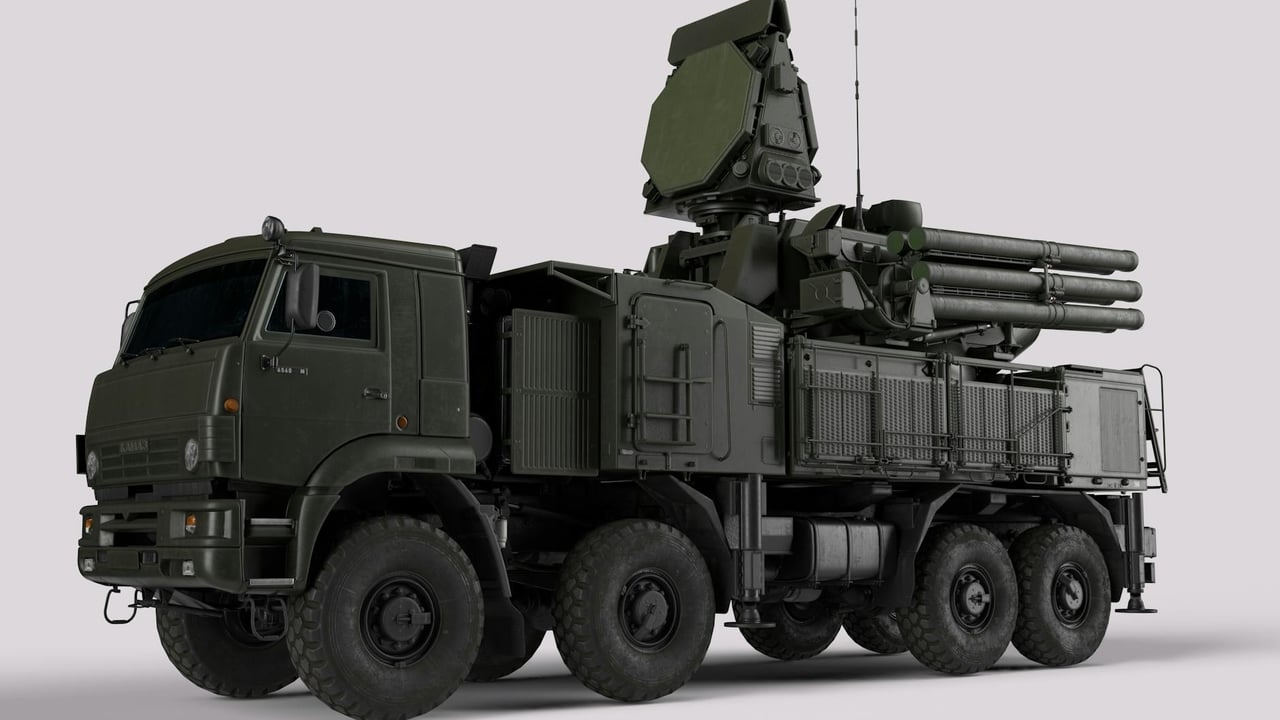

A significant escalation in the regional security landscape has emerged as the United States prepares to deploy the ‘Typhon’ mid-range missile system to Japan’s Kagoshima Prefecture. The deployment, scheduled from June to September at the Kanoya Air Base, is ostensibly for joint military exercises. However, the subsequent plan to transfer the system to a permanent U.S. military base in Japan has triggered a sharp diplomatic response from Beijing, signaling a new chapter of tension in the Indo-Pacific.
Foreign Ministry spokesperson Guo Jiakun characterized the deployment as a provocative act involving ‘strategic offensive weapons’ that undermine the security interests of neighboring states. By positioning the Typhon system—capable of launching Tomahawk cruise missiles and SM-6 interceptors—within the Japanese archipelago, the U.S. is effectively enhancing its ability to strike targets deep within the first island chain. Beijing views this as an overt attempt to neutralize its own defensive advantages and alter the regional balance of power.
The rhetoric coming from the Chinese Foreign Ministry has notably pivoted toward framing Japan’s participation as ‘new militarism.’ Spokesperson Guo argued that Tokyo is using such deployments to facilitate a broader ‘re-militarization,’ systematically hollowing out its post-war pacifist constitution. This narrative suggests that Japan is no longer a passive host to U.S. forces but an active participant in preparing for a ‘long-term war,’ a shift that Beijing warns could once again turn the region into a source of global instability.
From a strategic perspective, the introduction of land-based intermediate-range missiles follows the collapse of the Intermediate-Range Nuclear Forces (INF) Treaty, which previously prohibited such systems. Their presence on Japanese soil significantly compresses the reaction time for Chinese forces, complicating the tactical calculus for any potential conflict in the Taiwan Strait or the South China Sea. This move is a cornerstone of the U.S. ‘integrated deterrence’ strategy, intended to complicate Beijing’s maritime ambitions.
Beijing’s official stance also seeks to leverage domestic Japanese opposition, pointing to the ‘incessant voices of protest’ among citizens in Kagoshima and beyond. By highlighting the risks of an arms race and the threat to local peace, China aims to drive a wedge between the Japanese public and the government’s increasingly assertive defense posture. The diplomatic standoff underscores the hardening of blocs as the U.S. and its allies tighten their security architecture against a rising China.