
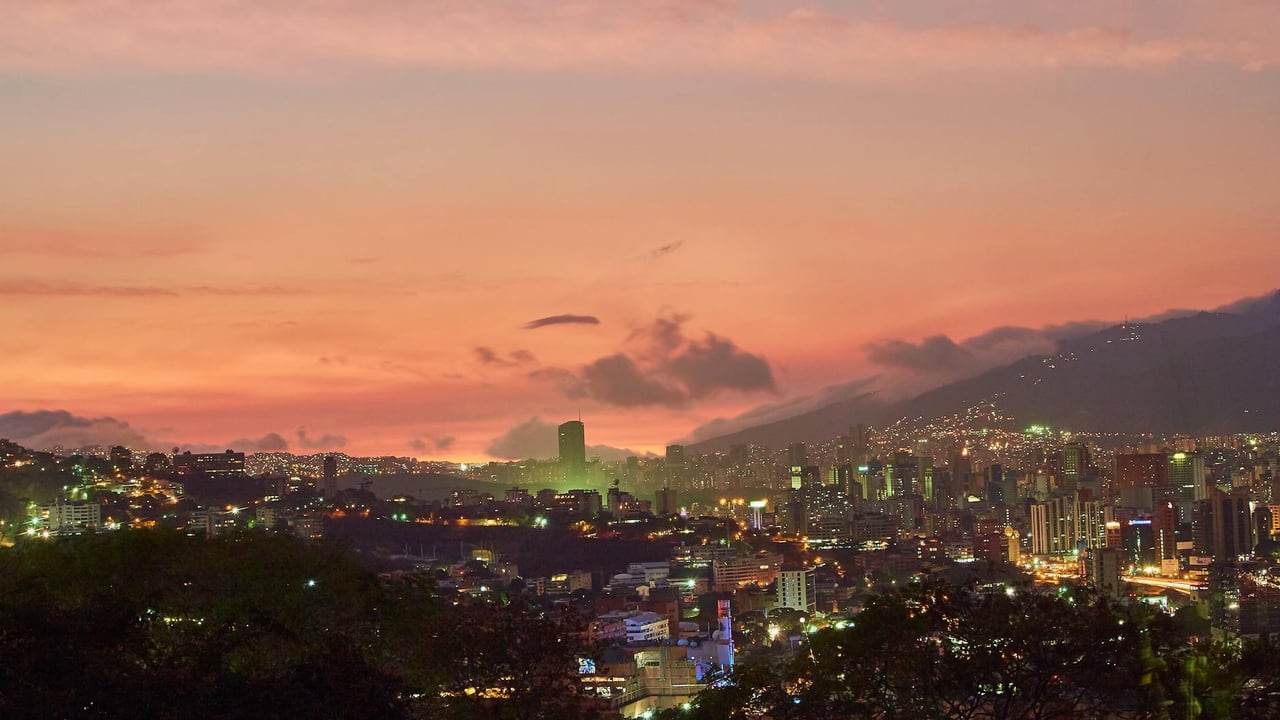

The rhythmic thrum of MV-22B Osprey rotors over the Caracas skyline this week served as a stark reminder of Venezuela’s dramatically altered political landscape. On May 23, the United States Southern Command conducted its first formal military exercise in the Venezuelan capital since the seismic events of early January, when a massive U.S. military operation resulted in the forced removal of President Nicolás Maduro. The sight of American hardware landing within the U.S. Embassy compound underscored a nation still in the throes of a forced transition.
While officially categorized by the current Venezuelan administration as a pre-authorized evacuation drill for medical or disaster contingencies, the exercise signaled something more profound to the local populace. The deployment involved two tilt-rotor aircraft and armed personnel, with Southern Command documenting the maneuvers across social media. This transparency appears intended as a show of force and a signal of operational readiness within the heart of a territory that was, until recently, a primary geopolitical adversary.
The military activity did not pass without significant friction. In the city center, groups of protesters gathered to voice their dissent, shouting slogans against foreign interference and demanding that American forces leave. For these residents, the presence of foreign military aircraft is not viewed as a sign of security but as a visceral reminder of lost sovereignty and the heavy-handed nature of the January intervention that saw their former leader taken to the United States.
This drill comes at a delicate moment for regional diplomacy. Following the January intervention, Washington and the interim authorities in Caracas ostensibly agreed to restore diplomatic and consular relations in early March. However, the contrast between the diplomatic rhetoric of normalization and the tactical reality of armed personnel operating in the capital suggests that the United States is maintaining a high-pressure security footprint to ensure the stability of the new status quo.