
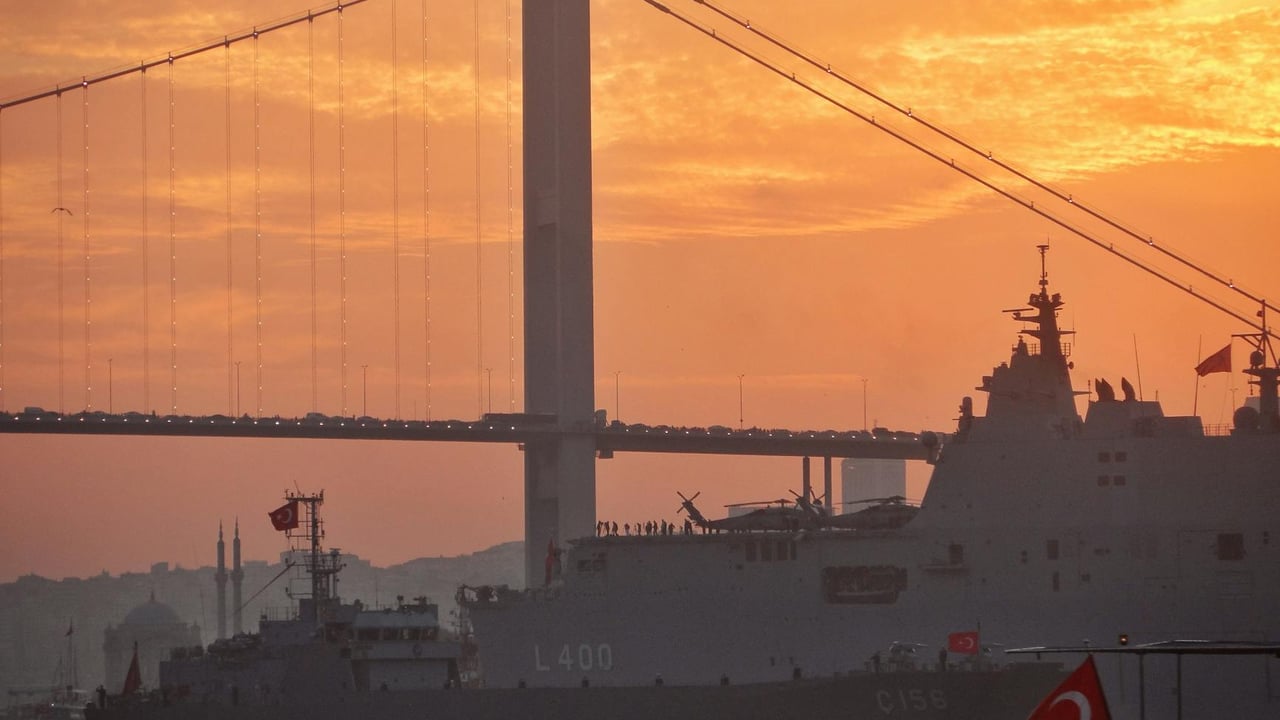

In a decisive move to bolster its maritime presence in the increasingly contested Eastern Mediterranean, the Greek government has officially greenlit a significant expansion of its naval fleet. Prime Minister Kyriakos Mitsotakis announced on May 24, 2026, that the National Security Council has approved the procurement of two Italian Bergamini-class frigates. This acquisition is the cornerstone of a broader modernization initiative designed to ensure regional stability and project power across critical sea lanes.
The Bergamini-class, developed by Italy's Fincantieri in collaboration with France's Naval Group under the FREMM program, represents the pinnacle of European naval engineering. These vessels are notably the technological "parent" of the U.S. Navy's Constellation-class frigates, underscoring their global prestige and operational reliability. By selecting this platform, Athens is not merely replacing aging hulls but is integrating sophisticated multi-role capabilities that bridge the gap between traditional surface warfare and modern electronic dominance.
Technically formidable, the 6,700-ton frigates utilize a CODLAG (Combined Diesel-Electric and Gas) propulsion system, allowing for a blend of high-speed interception and efficient, quiet low-speed cruising for anti-submarine operations. The ships feature advanced stealth profiles, reducing their radar cross-section, and are equipped with the EMPAR passive phased-array radar. This system allows the Hellenic Navy to track hundreds of targets simultaneously and guide long-range Aster 15/30 missiles against sophisticated aerial threats.
Beyond the hardware of the hulls, the Prime Minister highlighted a parallel investment in cutting-edge encrypted communication systems. This move is aimed at hardening the armed forces against modern cyber and electronic warfare, ensuring that Greek command and control remains resilient in high-intensity conflict scenarios. The procurement follows successful exports of the Bergamini-class to Egypt and Indonesia, signaling that Greece is aligning its defense architecture with some of the world's most modern naval forces.