
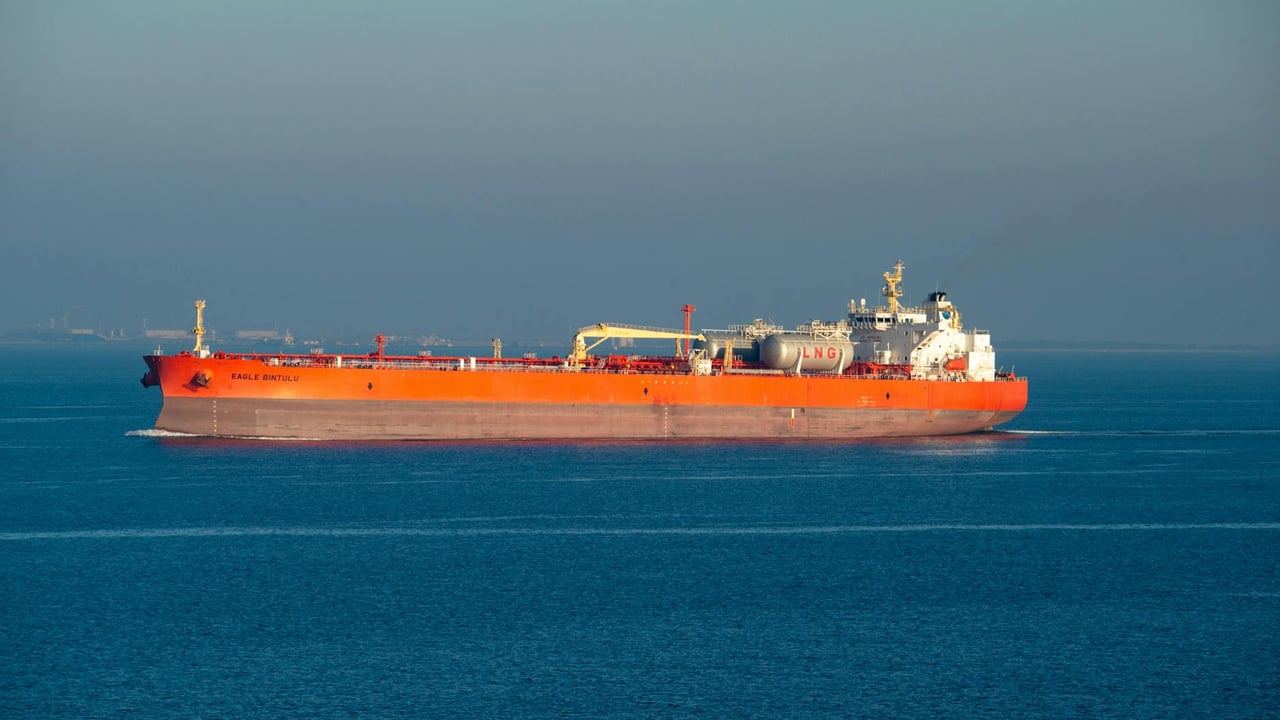

Global energy markets were jolted on May 25 as reports emerged of a preliminary framework agreement between the United States and Iran, potentially signaling the end of a period of heightened conflict in the Middle East. Anonymous senior U.S. officials indicate that while a final deal requires presidential approval, both nations have agreed in principle to a roadmap that would immediately reopen the strategic Strait of Hormuz and de-escalate military tensions. This development represents a significant pivot in regional security, offering a respite from the naval blockades that have choked global shipping lanes.
The memorandum of understanding includes a 60-day ceasefire extension, intended to provide a diplomatic window for negotiating a permanent cessation of hostilities. During this period, the Strait of Hormuz will undergo mine-clearing operations to restore shipping to pre-conflict levels within 30 days. In exchange for this maritime reopening, the United States has reportedly agreed to unfreeze $120 billion in Iranian assets and lift current blockade measures, marking a massive liquidity injection for the sanctioned Iranian economy.
While the agreement addresses immediate regional stability, the more contentious issue of Iran's nuclear program has been tactically decoupled from the current framework. Iran has committed to disposing of its high-enriched uranium and pledged not to pursue nuclear weapons, but the specific mechanisms for verification and compliance remain subjects for future negotiation. This 'security-first' approach allows both parties to claim a victory in regional de-escalation without being immediately bogged down by the complexities of a comprehensive nuclear treaty.
Responding to the reports, President Trump took to social media to manage expectations, characterizing the negotiations as 'orderly and constructive' but emphasizing that he has instructed his team not to rush. Trump noted that time remains on the side of the United States and insisted that the current blockade will remain in full force until a formal agreement is fully certified and signed. His rhetoric suggests a strategy of maximum pressure maintained until the final signature, even as negotiators move closer to a deal.
The impact on global financial markets was instantaneous and profound, as the prospect of renewed Iranian oil exports and secure shipping lanes triggered a sharp sell-off in energy futures. Brent crude plummeted over 5% to fall below the $95 mark, while West Texas Intermediate (WTI) saw a near 6% decline. Meanwhile, U.S. equity futures surged on the news, reflecting investor optimism that a reduction in geopolitical risk will lower inflationary pressures and stabilize the global energy supply chain.