
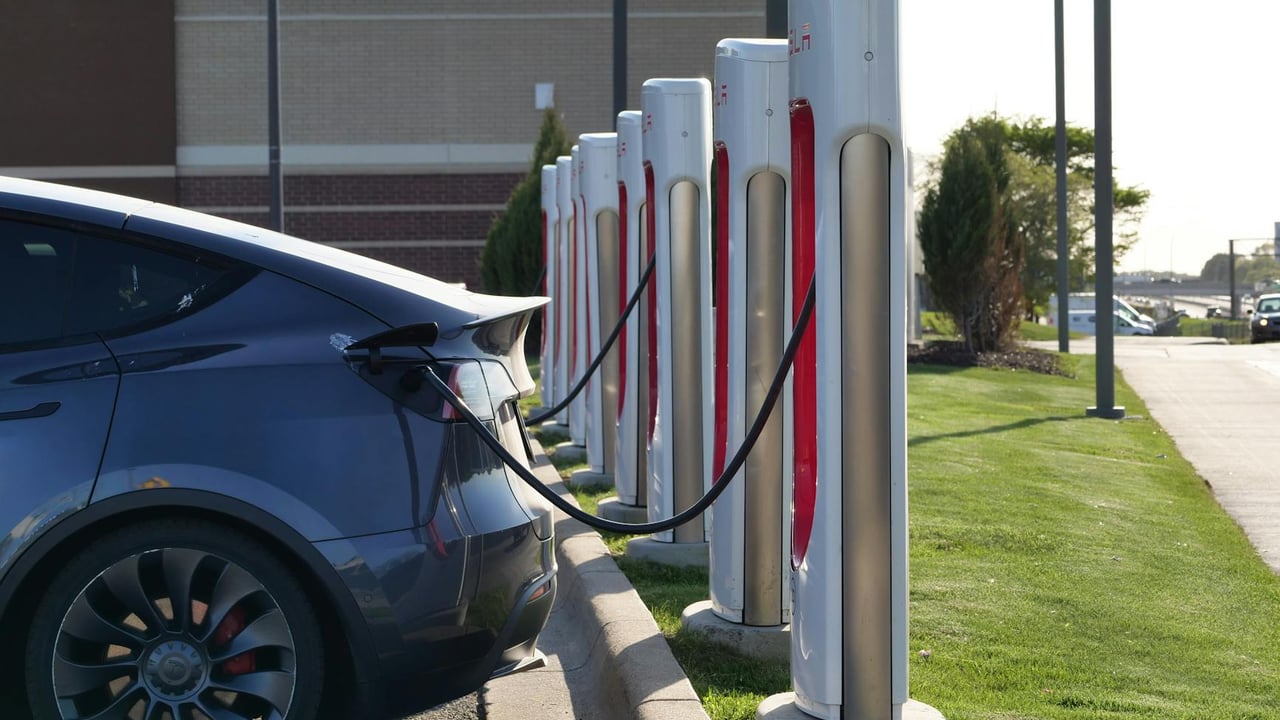

Tesla has officially opened its Supercharger network to non-Tesla electric vehicles across China, signaling a definitive end to the "walled garden" strategy that once defined the brand’s premium appeal. By introducing a "Supercharging Card" for all EV owners, the Texas-based giant is pivoting toward an "Infrastructure as a Service" model. This move reflects a calculated trade-off between maintaining brand exclusivity and capturing the massive revenue potential of China’s rapidly expanding new energy vehicle fleet.
The shift comes at a time when the Chinese market is no longer a playground for a few dominant international players. Local champions like BYD and aggressive tech entrants like Xiaomi are rapidly scaling their own hardware, forcing Tesla to find new ways to extract value from its superior charging technology. Opening the gates allows Tesla to maximize the utilization rates of its capital-intensive charging stations, which often sit idle during off-peak hours in a hyper-competitive urban landscape.
Furthermore, this strategy serves as a critical bridge to Tesla’s broader software and AI ambitions. As evidenced by recent local rebranding of Full Self-Driving (FSD) to "Tesla Assisted Driving," the company is navigating a complex regulatory and competitive environment. By integrating rival brands into its charging ecosystem, Tesla gains a subtle but significant data advantage, potentially observing charging behaviors and battery performance metrics across a wide spectrum of non-Tesla hardware.
Ultimately, the opening of the Supercharger network is a recognition of a new market reality. In a region where standardized charging and rapid infrastructure deployment are national strategic priorities, staying isolated was becoming a liability. Tesla is now positioning itself not just as a premier carmaker, but as the underlying energy backbone for the next phase of China’s electrified future.