
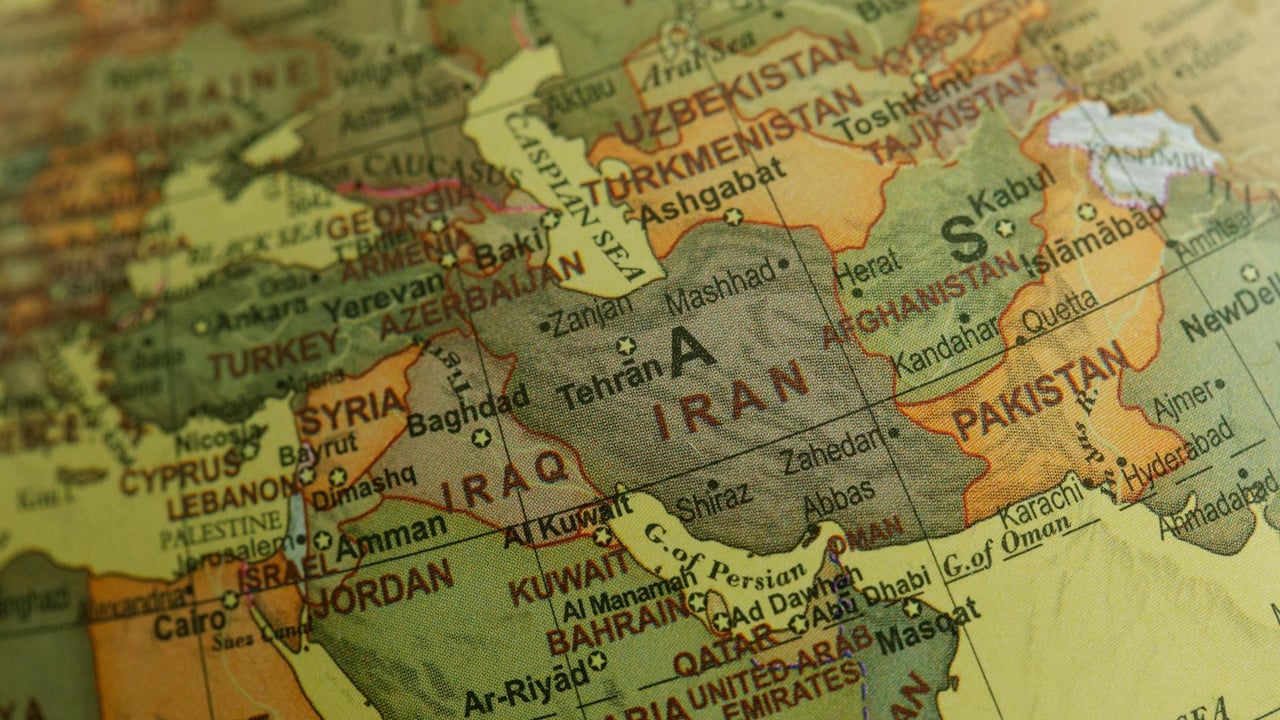

In a display of calculated defiance, Mohsen Rezaee, a senior military advisor to Iran’s Supreme Leader, utilized the solemn anniversary of the Battle of Khorramshahr to signal Tehran’s current strategic posture toward Washington. Speaking on May 24, 2026, Rezaee articulated a policy of simultaneous engagement and military readiness, famously describing the Iranian position as having a 'finger on the trigger' even as diplomatic channels remain open. This rhetoric underscores a deepening complexity in Middle Eastern geopolitics, where symbolic historical victories are leveraged to bolster modern-day bargaining power.
The Battle of Khorramshahr, a 1982 turning point in the Iran-Iraq War, serves as the psychological bedrock for this stance. By invoking this 'sacred defense' era, the Iranian leadership is communicating to both domestic and international audiences that their resolve remains unshaken despite years of crippling sanctions and targeted assassinations. Rezaee’s remarks suggest that for Tehran, negotiations are not a sign of weakness but a strategic choice afforded by their perceived military parity.
Central to this latest communique is a stark economic ultimatum. Rezaee warned that should the United States opt for continued military escalation, Iran possesses the levers to trigger a collapse of the American economy. While the technical feasibility of such a claim remains a subject of intense debate among global economists, the threat itself points to Iran’s evolving doctrine of asymmetric warfare, which likely targets global energy markets and maritime choke points in the Strait of Hormuz.
Despite the bellicose language, the advisor framed the current situation as a 'valuable opportunity' for the United States. He noted that even after the high-profile killings of Iranian military and political leaders, Tehran is still willing to engage in 'fair negotiations.' This framing attempts to seize the moral high ground, presenting Iran as the rational actor offering a path to de-escalation while maintaining a credible threat of retaliation to ensure the terms of any future deal remain favorable to the Islamic Republic.