Arsenal of Democracy on Backorder: Why US Missile Delays Threaten Japan’s Defense Strategy

The United States has notified Japan of a potential two-year delay in the delivery of 400 Tomahawk missiles due to depleted inventories from military actions in the Middle East. This setback impacts Japan's timeline for establishing a credible counter-strike capability and highlights broader capacity issues within the US defense industrial base.

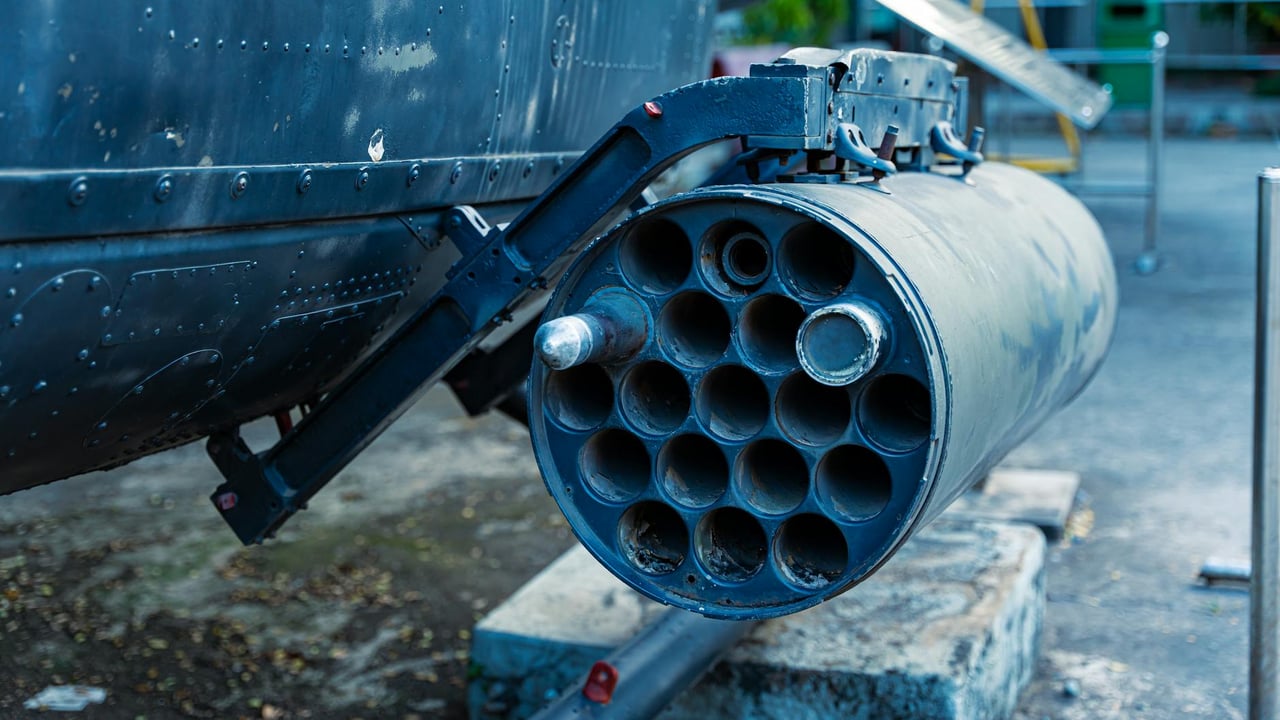
Detailed view of a military rocket launcher showcased outdoors, showcasing industrial design.

Key Takeaways

  • 1US delivery of 400 Tomahawk cruise missiles to Japan may be delayed by up to two years.
  • 2The delay is driven by the depletion of US weapon stocks during military operations against Iran and its proxies.
  • 3European allies have received similar warnings regarding delays in their American weapon orders.
  • 4The setback complicates Japan’s transition to its new national security strategy and 'counter-strike' posture.
  • 5The situation underscores the fragility of the US defense industrial base under the pressure of multiple global crises.

Editor's
Desk

Strategic Analysis

This delay exposes the central tension in American foreign policy: the struggle to maintain 'Integrated Deterrence' in the Indo-Pacific while simultaneously managing active conflicts in Europe and the Middle East. For Japan, the Tomahawk is not just hardware; it is a psychological signal of the US-Japan alliance's evolution. By prioritizing immediate Middle Eastern replenishment over the long-term strategic buildup in the Pacific, Washington risks signaling a lack of bandwidth to its most critical regional partners. This may inadvertently accelerate the push for 'strategic autonomy' within Japan and the EU, as allies realize they cannot rely solely on the American industrial machine to meet urgent security needs in a multi-theater threat environment.

China Daily Brief Editorial
Strategic Insight
China Daily Brief

Japan’s ambitious pivot toward a more assertive regional defense posture has hit a significant bottleneck. For years, Tokyo has sought to acquire 'counter-strike capabilities' to deter regional threats, with the purchase of 400 American-made Tomahawk cruise missiles serving as the cornerstone of this shift. However, Washington has recently informed Tokyo that these deliveries could be delayed by as much as two years.

The culprit behind the delay is a strained American defense industrial base and shifting geopolitical priorities. Protracted military operations against Iranian-backed groups in the Middle East have significantly depleted the Pentagon’s own stockpiles. As a result, the US is prioritizing the replenishment of its domestic inventory over long-standing export agreements with key Pacific and European allies.

This delay arrives at a precarious time for Japanese Prime Minister Fumio Kishida’s administration, which has staked significant political capital on a historic defense budget increase. The Tomahawk acquisition was intended to bridge the gap until Japan could mass-produce its own domestic long-range missiles. Without these assets, the timeline for Japan’s new deterrence doctrine remains dangerously hollow.

The ripple effects extend beyond Tokyo, as several European allies have also been warned of severe delays in their procurement of American hardware. This systemic backlog highlights a growing concern in global capitals regarding the reliability of the United States as a primary arms supplier. While Washington remains the preferred partner, the 'at-capacity' sign hanging on the US defense industry is forcing allies to reconsider their strategic timelines and sovereign production capabilities.

Share Article

Related Articles

📰
No related articles found