
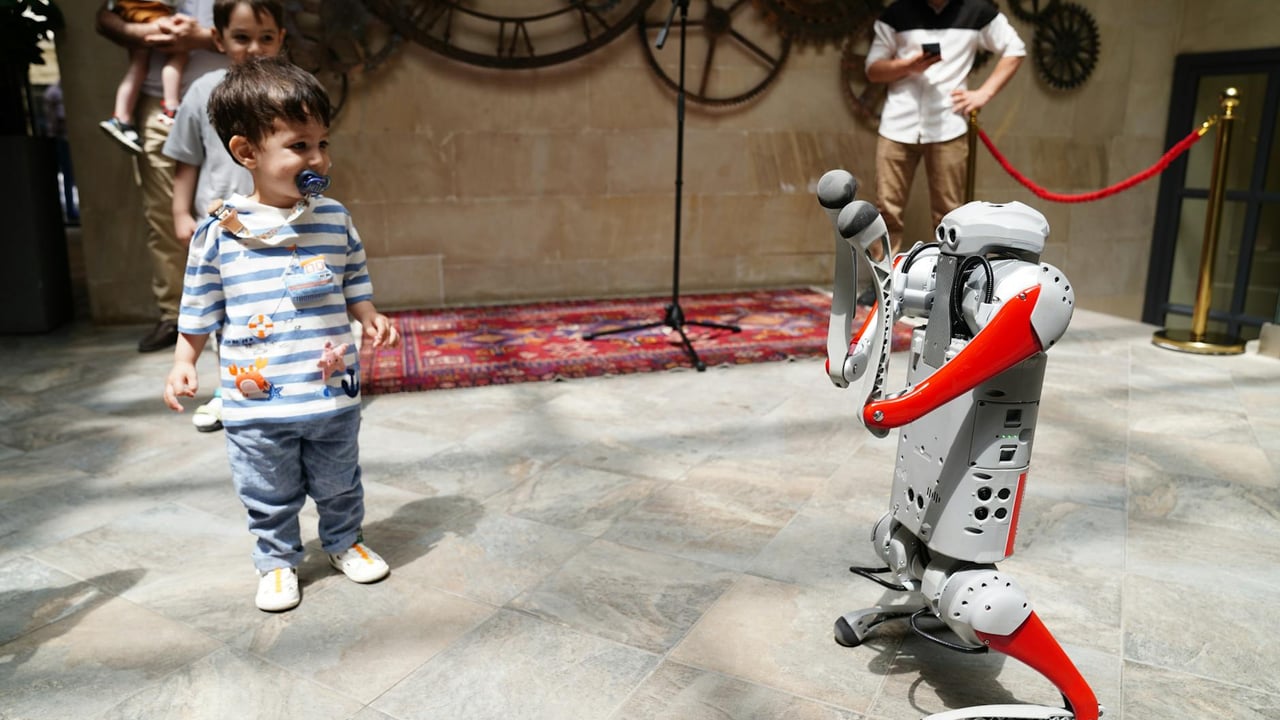

The race for dominance in the global robotics sector is entering a new, capital-intensive phase. Unitree Robotics, the Hangzhou-based powerhouse once known for its agile four-legged "dogs," is set to test investor appetite with a 4.2 billion yuan ($580 million) initial public offering on Shanghai’s tech-heavy STAR Market. This move signals a significant shift in the industry as specialized hardware moves from experimental labs to the public stock exchange.
The company's ascent has been nothing short of meteoric, reflecting a broader Chinese national push to lead the "embodied AI" revolution. From a modest revenue of 123 million yuan in 2022, Unitree saw its top line explode to 1.7 billion yuan by the end of 2025. This nearly fourteen-fold increase in just three years underscores the accelerating demand for autonomous machines in both industrial and commercial settings.
Unlike earlier iterations of the robotics boom that relied heavily on speculative growth, Unitree’s current expansion appears anchored in a fundamental pivot toward humanoid platforms. Humanoid robots, which accounted for a mere 1.88% of sales in 2023, now represent over half of the company's revenue. This transition from quadruped toys to complex bipedal systems suggests that the technology has reached a critical threshold of maturity and commercial viability.
Securing the title of the "first humanoid robot stock" on China's A-share market provides more than just prestige. It offers the financial firepower needed to compete with Silicon Valley giants like Tesla, whose Optimus project has set the pace for the industry’s humanoid aspirations. With plans to funnel the IPO proceeds into advanced model R&D, Unitree is positioning itself as the primary Chinese challenger in the race for general-purpose robotic intelligence.