
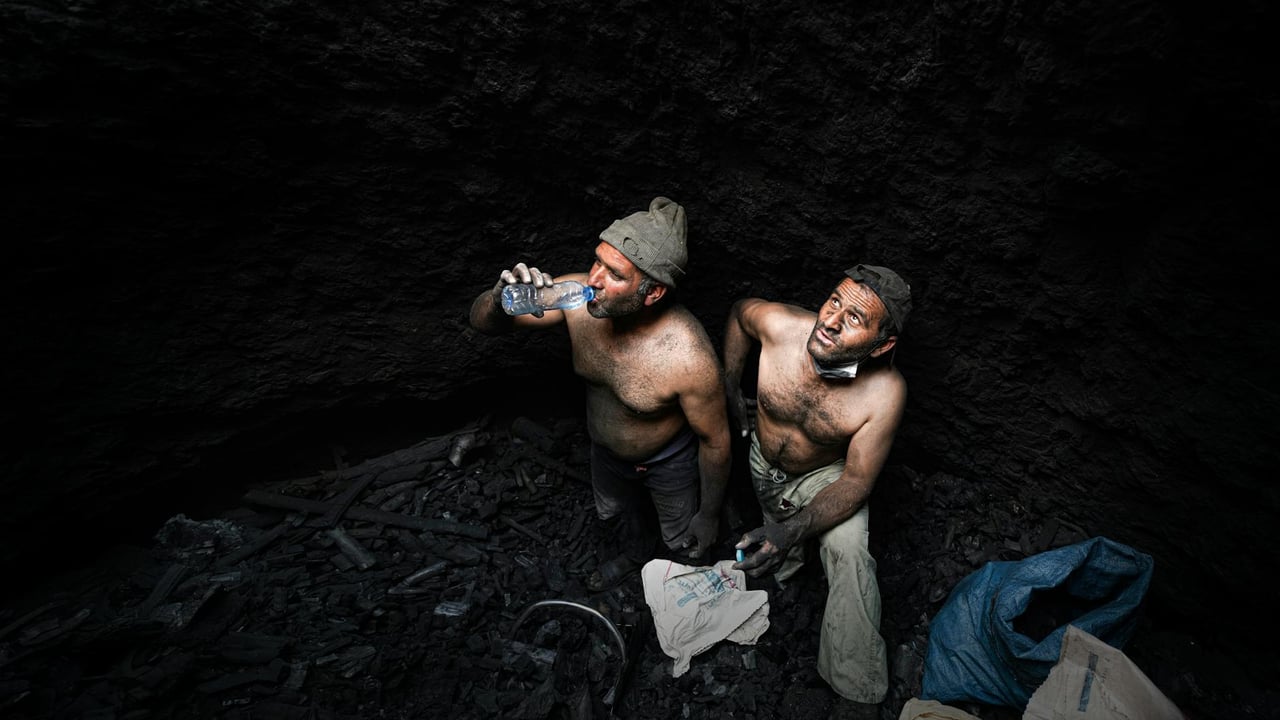

On May 22, 2026, a devastating gas explosion at the Lioushenyü Coal Mine in Shanxi province claimed 82 lives and injured over 100 others, leaving a trail of destruction that has once again exposed the hollow core of China’s mining safety regime. While official narratives often frame such events as unfortunate accidents, an investigation into the Lioushenyü disaster reveals a sophisticated system of institutionalized fraud known locally as the 'dark side.'
These 'dark sides' refer to illegal, unmapped working faces hidden from regulators to facilitate 'over-boundary' mining—essentially the theft of state-owned coal resources outside of a mine's legal concession. To the outside world and central inspectors, the mine operates within its approved boundaries; in reality, a labyrinth of shadow tunnels exists where safety protocols are non-existent and the air is thick with risk.
Miners working in these shadow zones were reportedly denied electronic positioning tags, the essential 'life tags' required by law to track personnel in real-time. By keeping these workers off the grid, management could hide the true scale of their operations. During surprise inspections, the mine used rapid-setting spray-cement to seal off the illegal tunnels in mere minutes, hiding the 'dark side' behind temporary walls until the inspectors departed.
This cycle of sealing and unsealing is scientifically lethal. Cutting off ventilation to these tunnels leads to rapid methane accumulation in stagnant air. When the walls are eventually breached to resume work, the sudden influx of oxygen creates a volatile mixture. Under these conditions, the smallest spark from a tool or a high-temperature violation can instantly trigger a catastrophic gas explosion, as seen in the Lioushenyü tragedy.
Despite the implementation of 'Four Noes, Two Directs'—a system of unannounced, direct-to-site inspections—the disaster highlights a systemic failure of oversight. Professional inspectors often overlook physical evidence of deception, such as mismatched brickwork or the 'yin-yang' blueprints that failed to guide rescuers. This suggests a persistent culture of local complicity where the economic incentive to extract 'cost-free' coal outweighs the lives of the miners working in the shadows.