

China’s Ministry of Industry and Information Technology (MIIT) has unveiled its 2026 roadmap for automotive standardization, signaling a decisive shift from rapid market expansion to technical and environmental consolidation. The new directives target the heart of the electric vehicle (EV) sector, mandating stricter safety requirements for power batteries and optimizing the performance of drive motors. By refining these core systems, Beijing aims to institutionalize the technological lead its domestic champions have built over the past decade.
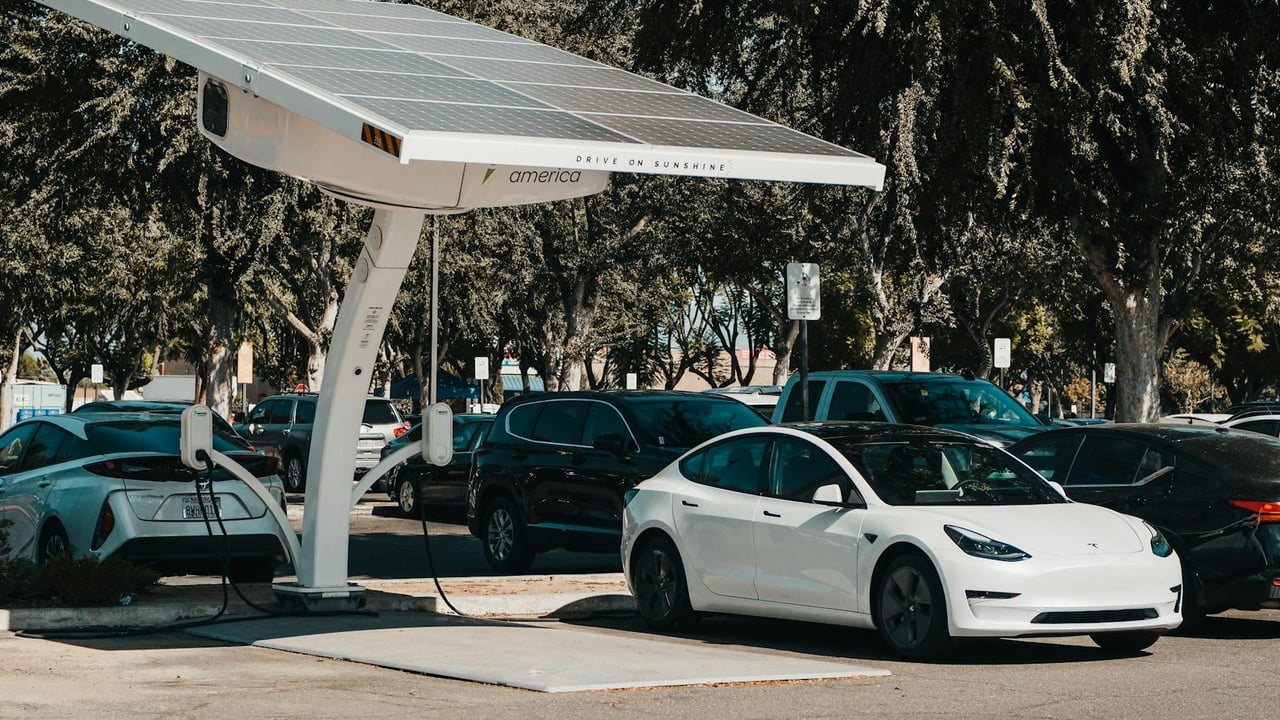
The policy framework places a significant emphasis on infrastructure, specifically calling for the accelerated revision of standards for both charging and battery-swapping technologies. As Western markets remain fragmented over charging protocols, China is moving toward a unified ecosystem that could lower operational costs and improve consumer convenience. This standardization is not merely a domestic convenience; it is a strategic attempt to export Chinese technical norms as the global benchmark for the next generation of mobility.
Perhaps the most forward-looking aspect of the MIIT announcement is the focus on 'carbon footprint' accounting and verification. By establishing a robust system to track the environmental impact of a vehicle from production to disposal, China is directly responding to international trade pressures, such as the European Union’s Battery Regulation. This move ensures that Chinese manufacturers can navigate emerging 'green' trade barriers by providing certified data that meets global sustainability requirements.
Furthermore, the roadmap reinforces China’s 2030 energy consumption limits, pushing the industry toward a deeper low-carbon transition. This includes a comprehensive overhaul of energy-saving standards that will force underperforming players out of the market. Through these stringent new rules, Beijing is effectively pruning its overcrowded EV sector, ensuring that only the most efficient and technologically advanced companies survive to represent the nation on the global stage.