A Splash in the Dark: The High Cost of Sydney’s Drone Swarm Failure

A technical glitch during the Vivid Sydney light festival caused approximately 90 drones to crash into the sea during a live performance. The incident highlights the technical vulnerabilities of drone swarm technology and the risks of replacing traditional pyrotechnics with digital alternatives.

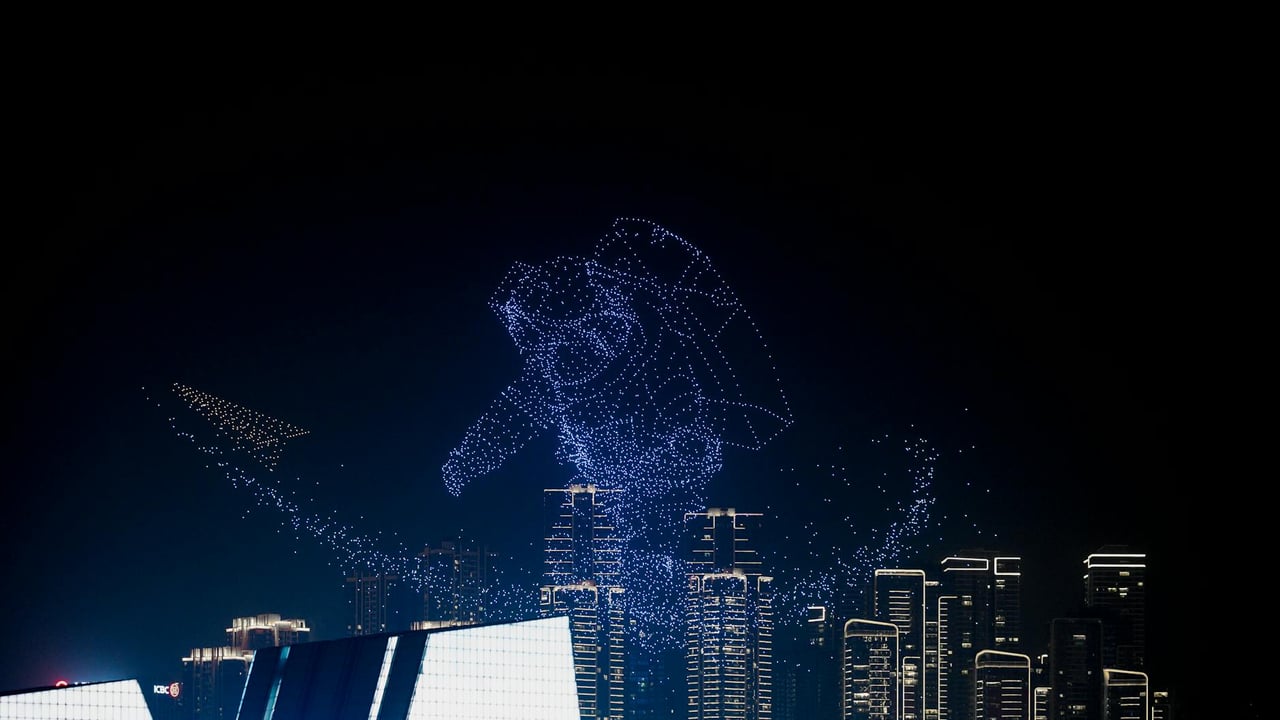
Breathtaking drone light show forming astronaut shape above city skyline, showcasing innovation.

Key Takeaways

  • 1Nearly 90 drones crashed into the Sydney Harbor during a Vivid festival performance due to a technical glitch.
  • 2The event highlights the growing reliance on autonomous swarm technology in the global entertainment industry.
  • 3No injuries were reported, but the incident resulted in significant hardware loss and environmental cleanup concerns.
  • 4Technical vulnerabilities such as signal interference or software bugs remain a primary risk factor for large-scale drone shows.

Editor's
Desk

Strategic Analysis

The failure at Vivid Sydney is more than a localized technical hiccup; it is a stress test for the 'spectacle economy' that is increasingly dominated by Chinese-developed swarming logic and hardware. As drone shows replace fireworks due to environmental and noise concerns, we are seeing a shift from chemical reliability to digital fragility. This incident highlights the 'fragility of the swarm,' where the complexity of coordinating hundreds of units simultaneously creates a cascading failure risk. For an industry that is rapidly scaling—with China at the forefront of both manufacturing and software development—such high-profile crashes will likely lead to stricter regulations and a demand for more robust redundancy in autonomous flight systems.

China Daily Brief Editorial
Strategic Insight
China Daily Brief

The Vivid Sydney light festival, usually a masterclass in the marriage of technology and artistry, took an unexpected turn this week when a swarm of drones plummeted into the harbor. What was meant to be a synchronized dance of light instead became an expensive display of gravity, as nearly 90 unmanned aerial vehicles (UAVs) lost connection and crashed into the water with audible splashes.

The incident occurred mid-performance, startling thousands of spectators who watched as the digital constellation blinked out and disappeared beneath the waves. While no injuries were reported, the sudden failure has sparked a debate regarding the reliability of the complex software and signal processing required to manage such large-scale autonomous swarms.

The transition from traditional fireworks to drone displays has been hailed as a victory for environmental sustainability and precision entertainment across global capitals. However, this failure underscores a critical vulnerability: the absolute reliance on stable GPS signals and radio frequencies in increasingly crowded urban electromagnetic environments.

As cities worldwide look to automate their celebrations, the Sydney crash serves as a cautionary tale for the burgeoning spectacle economy. The reliance on centralized control systems means that a single point of failure can turn a multimillion-dollar investment into underwater debris in a matter of seconds.

Share Article

Related Articles

📰
No related articles found