
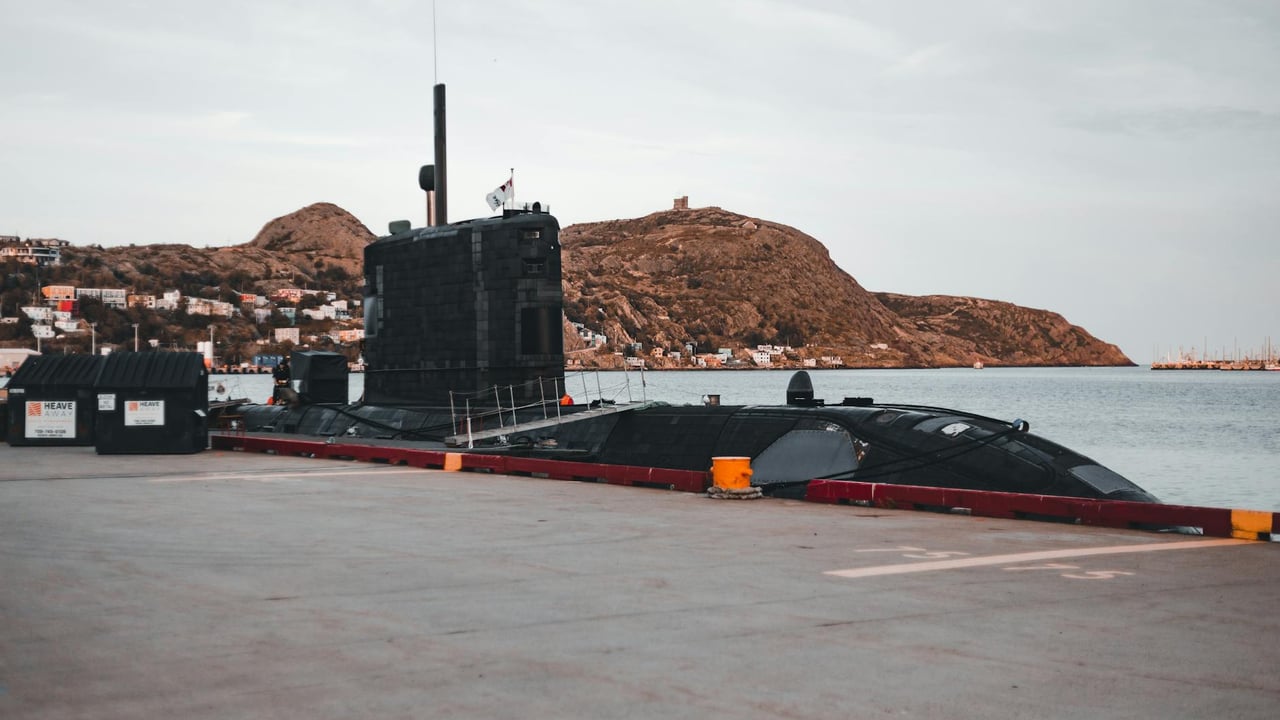

Life aboard a People’s Liberation Army Navy (PLAN) submarine is a grueling test of human endurance. Confined for months in a pressurized steel tube, deprived of sunlight and direct communication with the outside world, sailors face a psychological toll that can be as debilitating as any physical injury. Recognizing that human frailty is the weakest link in modern underwater warfare, the PLAN has moved to institutionalize a comprehensive psychological support system designed to sustain combat readiness during long-range deployments.
The initiative, described as a 'one-stop, accompanying, and radiating' service model, marks a departure from the traditional military culture of 'toughing it out.' Historically, Chinese servicemen feared that seeking mental health support would lead to them being labeled as 'weak.' To dismantle this stigma, the navy has established specialized psychological service centers equipped with modular diagnostic tools and virtual reality (VR) training systems to help sailors confront and overcome phobias and operational anxieties.
Technological interventions are paired with creative social outlets to mitigate the effects of isolation. During deep-sea missions, crews utilize a 'Far Ocean Moments' notebook—a low-tech, paper-based analog to the popular WeChat social network. This allows sailors to share thoughts, sketches, and daily anecdotes, providing a vital emotional release and a way for commanders to monitor the collective morale of the crew without intrusive questioning.
Beyond specialized clinics, the PLAN is embedding psychological 'sensors' within every unit. By training a network of peer counselors at the squad level, the military ensures that subtle changes in behavior are caught before they escalate into operational hazards. This 'radiating' approach effectively turns psychological health into a mission-critical metric, shifting the focus from reactive treatment to proactive preventative maintenance of the force's most essential asset.
As China’s submarine fleet ventures further into the 'blue water' territories of the Pacific and Indian Oceans, the duration and intensity of missions are set to increase. This focus on the 'inner harbor' of the sailor’s mind is not merely a matter of personnel welfare; it is a strategic necessity. In the silent, high-stakes environment of undersea conflict, a single lapse in judgment caused by stress can determine the fate of a vessel and the success of a national objective.