
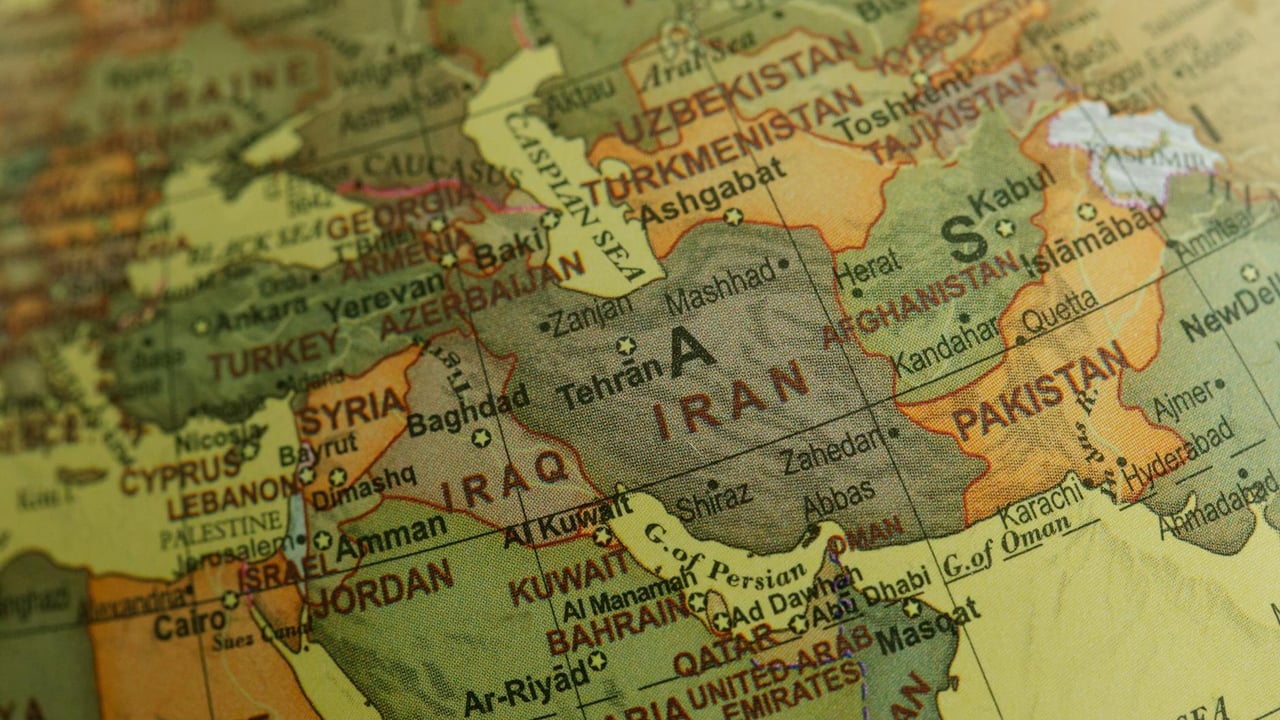

The volatile standoff between Washington and Tehran has entered a dangerous new phase as both nations swap accusations of violating a fragile ceasefire agreement. In a series of rapid escalations over the past 48 hours, the Iranian Foreign Ministry has officially denounced what it terms 'maritime piracy' and illegal military incursions by U.S. forces. The diplomatic fallout follows a significant military engagement in the Persian Gulf, marking the most serious threat to regional stability since the truce was established.
On Tuesday, the Islamic Revolutionary Guard Corps (IRGC) claimed a major tactical victory, reporting the downing of a U.S. MQ-9 'Reaper' drone within Iranian airspace. The incident allegedly involved more than just the unmanned craft; Iranian forces also reportedly opened fire on an RQ-4 drone and a sophisticated F-35 fighter jet, forcing both to retreat. While Tehran frames this as a legitimate defense of sovereign territory, the move represents a sharp escalation that challenges the operational limits of the U.S. military presence in the Middle East.
The U.S. Central Command (CENTCOM) has offered a starkly different narrative, characterizing its recent actions as strictly 'self-defensive.' According to U.S. officials, the military launched targeted airstrikes against missile launch sites and minelaying vessels in southern Iran. These strikes were reportedly preemptive, aimed at neutralizing immediate threats to international shipping and U.S. personnel. The reports of explosions near the strategic ports of Bandar Abbas and Jask underscore the intensity of these kinetic engagements.
At the heart of the dispute is a fundamental disagreement over the interpretation of the ceasefire and the UN Charter. Tehran’s invocation of Article 2, Paragraph 4, suggests it is preparing a legalistic defense for its retaliatory posture, while simultaneously warning that it will not hesitate to defend its borders. For the global community, the immediate concern is the Strait of Hormuz, a critical chokepoint for the world's energy supply, where even a minor miscalculation could trigger a broader maritime conflict.