
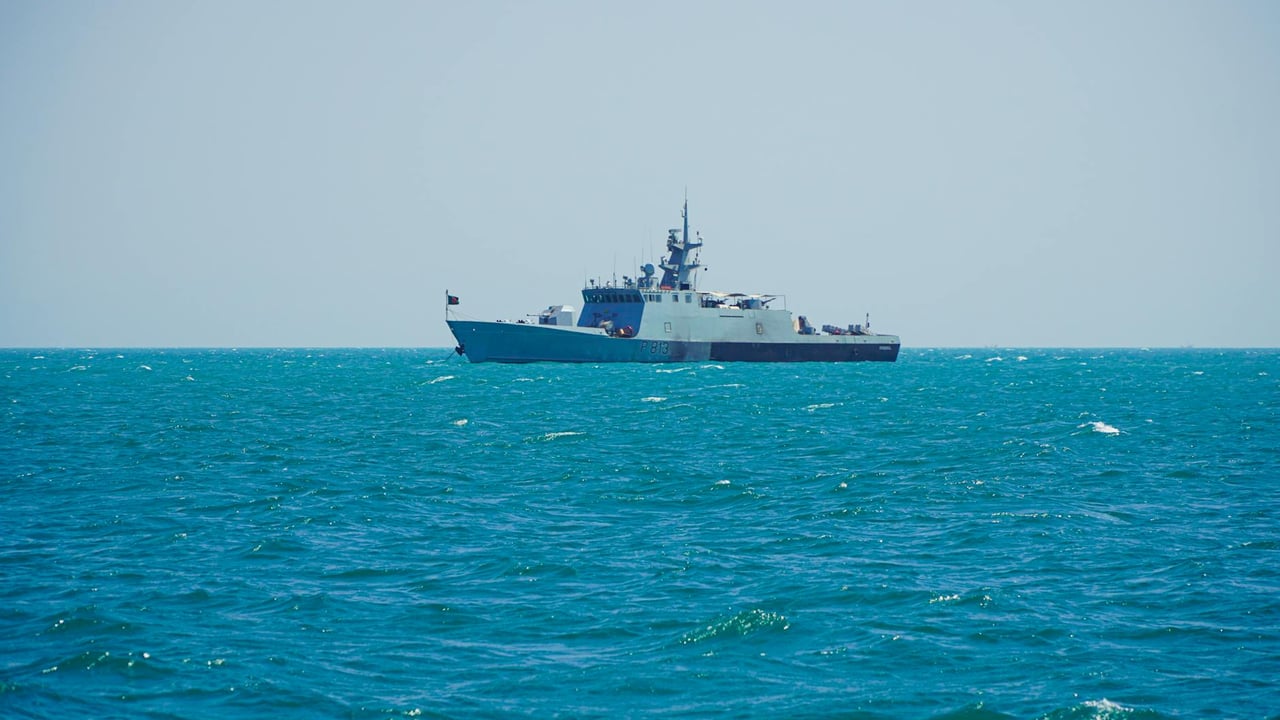

A precarious peace in the Persian Gulf was tested on Monday as US forces engaged and destroyed two Iranian vessels in the Strait of Hormuz. The incident, involving alleged minelaying activities by the Islamic Revolutionary Guard Corps (IRGC), marks the most significant breach of a regional ceasefire in months. While the tactical exchange was brief, the strategic implications resonate far beyond the narrow waterway.
According to US Central Command, American assets intercepted the boats as they attempted to plant explosives in the world’s most critical maritime chokepoint. In a swift escalation, the US military also targeted an Iranian air defense facility near the strategic port of Bandar Abbas. These strikes were designed to neutralize immediate threats to American personnel and maintain freedom of navigation.
US officials have framed the operation as purely defensive, emphasizing a commitment to maintaining the current truce despite the kinetic response. Spokesperson Tim Hawkins asserted that while Washington intends to exercise restraint, it will not hesitate to neutralize maneuvers that directly endanger maritime security. This rhetoric aims to signal strength without providing Tehran a pretext for total escalation.
Tehran’s perspective, channeled through state-run media, paints a different picture by accusing the United States of a blatant ceasefire violation. While reports from Iranian outlets acknowledged explosions in Bandar Abbas and surrounding coastal regions like Sirik and Jask, they were quick to claim that the situation is under control. The internal narrative focuses on American aggression rather than the provocative minelaying that triggered the response.
The clash underscores the extreme fragility of the maritime environment where the shadow war between Washington and Tehran frequently spills into the open. With the Strait of Hormuz serving as the artery for a significant portion of global oil transit, any disruption risks immediate volatility in international energy markets. The global community now watches to see if this remains an isolated skirmish or the start of a broader breakdown.