
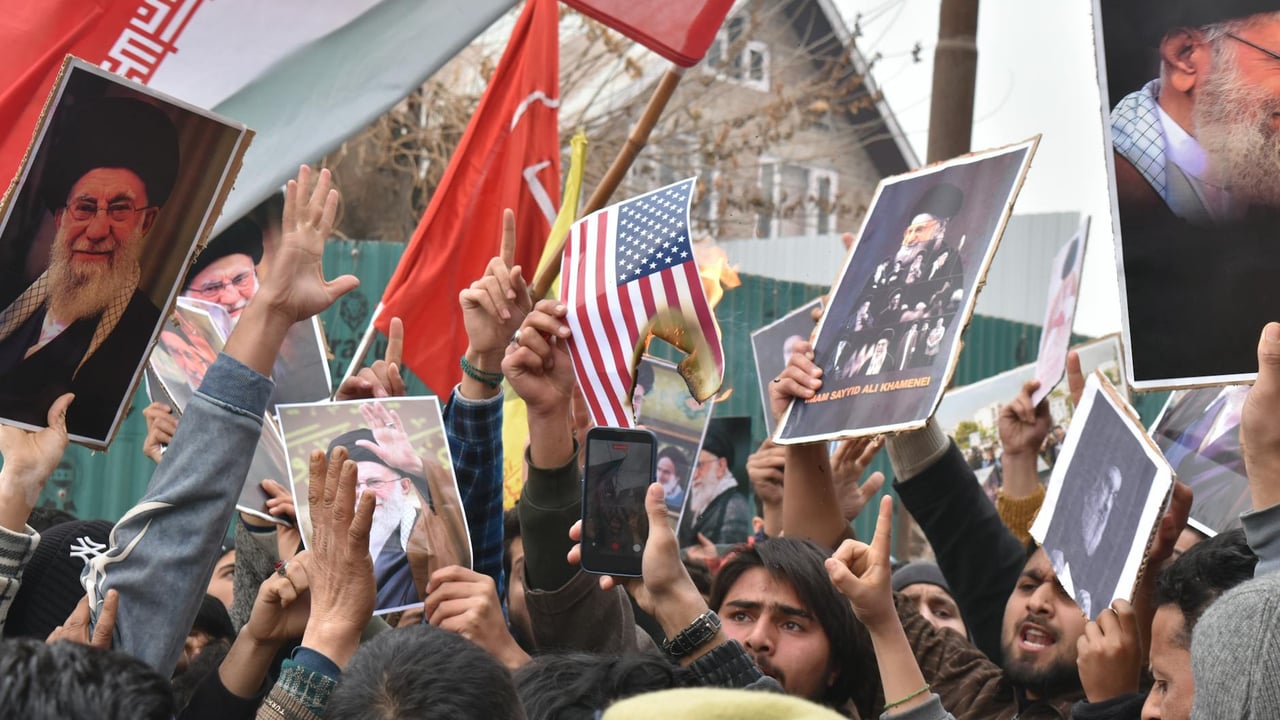

The tentative ceasefire between Washington and Tehran has fractured as military strikes in the Strait of Hormuz collide with high-stakes diplomatic demands. US Central Command’s recent strike on an Iranian missile base near Bandar Abbas followed alleged mining attempts by Iranian vessels, prompting Tehran to retaliate by downing a US MQ-9 Reaper drone. This exchange of fire threatens to derail months of delicate negotiations just as a breakthrough seemed within reach.
Adding a layer of complexity to the kinetic friction is President Donald Trump’s latest diplomatic ultimatum. In a move that has blindsided regional mediators, the White House is now conditioning any final agreement on the expansion of the Abraham Accords. Trump is demanding that six nations—including Saudi Arabia and Pakistan—formally normalize ties with Israel, effectively bundling the Iran nuclear file with the broader reshaping of Middle Eastern alliances.
The inclusion of the 'Israel factor' significantly raises the bar for success. Riyadh has consistently maintained that normalization remains off the table until the Palestinian issue is resolved, a stance echoed by Islamabad. By tethering the Iran deal to these long-standing geopolitical grievances, the US administration risks alienating the very regional partners needed to stabilize the Persian Gulf and ensure maritime security.
Meanwhile, the regional landscape is further complicated by a resurging conflict in Lebanon. Israeli Prime Minister Benjamin Netanyahu’s decision to intensify operations against Hezbollah is viewed by some analysts as an attempt to decouple the Lebanese front from any potential US-Iran settlement. The result is a dual-track crisis: a maritime standoff in the Gulf and a deepening humanitarian catastrophe in the Levant.
Ideologically, the divide remains a chasm despite the proximity of a deal. While US Secretary of State Marco Rubio suggests that only 'days' are needed to finalize the text, Iran’s Supreme Leader Mujtaba Khamenei is championing a 'post-American' regional order. Tehran’s insistence on the immediate unfreezing of $24 billion in assets—countered by Washington’s demand for the reopening of the Hormuz Strait—highlights the transactional mistrust that continues to define the relationship.