
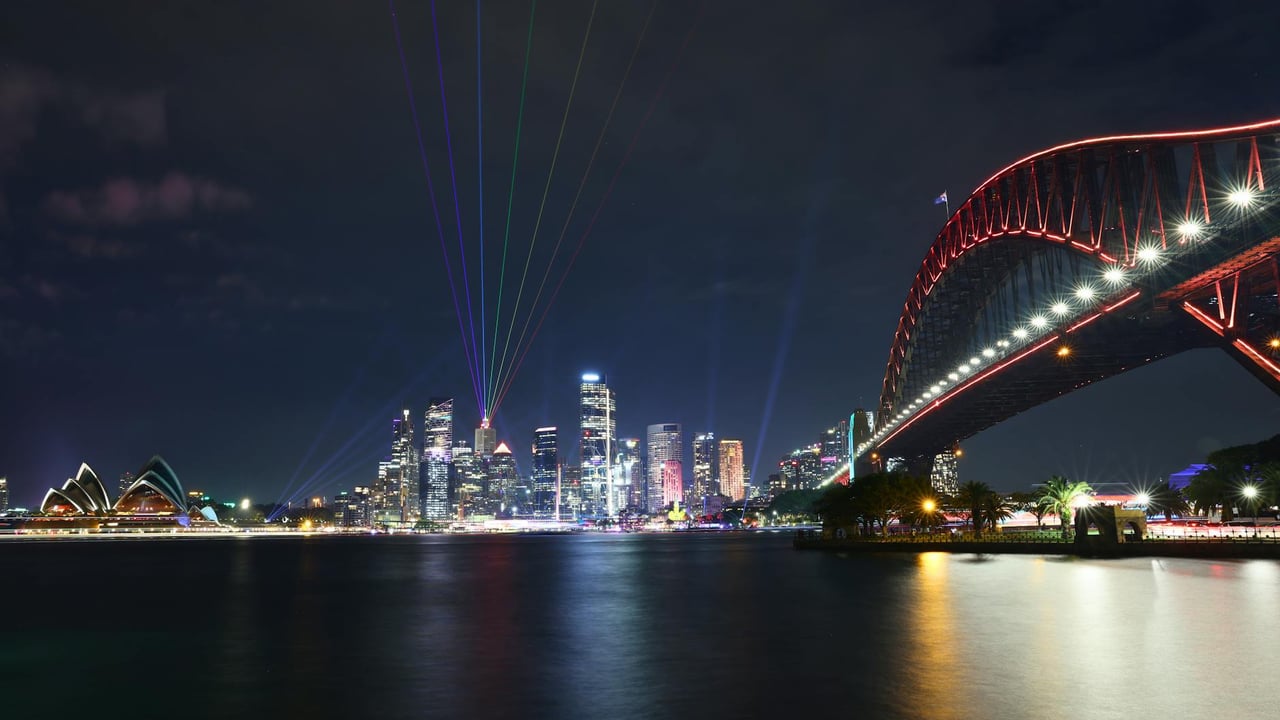

The Sydney harbor, traditionally a canvas for the world’s most sophisticated light displays, became the site of an unexpected technical casualty during the annual Vivid Sydney festival. Nearly 90 drones plunged into the water after a mid-performance system failure, turning a high-tech choreography into a sequence of expensive splashes.
The incident highlights the inherent vulnerabilities of large-scale drone swarms, which rely on precise GPS coordination and stable communication links to function. While these displays are often marketed as a sustainable and silent alternative to traditional fireworks, the complexity of managing hundreds of units simultaneously introduces a unique set of failure points that pyrotechnics rarely encounter.
Witnesses described the event as a series of audible popping sounds as the hardware impacted the sea, a stark contrast to the intended fluid motion of the light show. The loss of nearly 90 units represents a significant financial and operational blow to the organizers, raising questions about the safety protocols and redundancy systems governing these increasingly popular aerial performances.
As cities worldwide pivot toward digital celebrations to avoid the environmental impact of smoke and debris, the drone industry faces a critical test of reliability. This high-profile failure in Sydney serves as a reminder that the hardware-software interface in the low-altitude economy remains fragile, potentially slowing the adoption of similar technology in more critical urban infrastructure roles.