Baghdad’s Living Heritage: Weaving Post-Conflict Identity Through Ancient Crafts

The 2026 Iraq Living Heritage Festival in Baghdad showcases traditional pottery and weaving to preserve ancient folk arts. By engaging the youth in these historical crafts, Iraq aims to strengthen its national identity and promote cultural recovery in a post-conflict era.

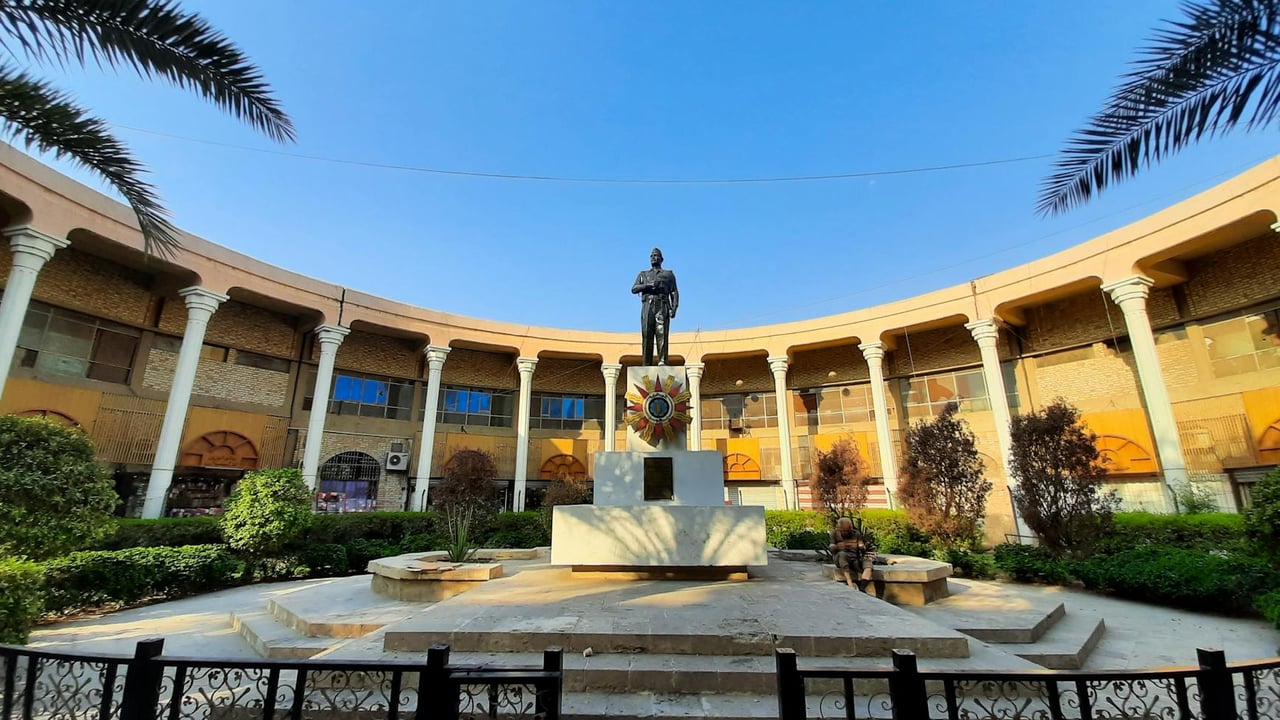
Elegant colonnaded courtyard featuring a prominent statue under a clear blue sky in Baghdad.

Key Takeaways

  • 1The 2026 festival in Baghdad focuses on 'Crafts, Taste, and Memory' to revitalize Iraqi folk traditions.
  • 2Traditional artisans are actively training local children in pottery and carpet weaving to ensure the survival of these skills.
  • 3The event serves as a platform for Iraq to showcase its long history and cultural resilience to a global audience.
  • 4Cultural preservation is being utilized as a strategic tool for social stabilization and national branding.

Editor's
Desk

Strategic Analysis

The significance of the 2026 Living Heritage Festival extends beyond mere nostalgia; it is a calculated effort in 'cultural security' and nation-building. By highlighting these traditions, Baghdad is attempting to shift the global perception of Iraq from a site of destruction to a cradle of enduring civilization. For international observers, this move mirrors a broader trend in the Middle East where cultural heritage is leveraged as a form of soft power to foster domestic unity and attract foreign interest. The involvement of youth is particularly critical, as it ensures that the economic and social value of traditional crafts survives the digital age, providing a non-oil-based pillar for local identity and potential future tourism.

China Daily Brief Editorial
Strategic Insight
China Daily Brief

Amidst the urban bustle of Baghdad, the 2026 Iraq Living Heritage Festival has emerged as a vital touchstone for a nation reclaiming its historical narrative. Centered on the theme of 'Crafts, Taste, and Memory,' the event transforms the capital into a vibrant workshop where the rhythmic clatter of traditional carpet looms and the tactile molding of clay serve as instruments of national resilience.

For a country often defined in international headlines by decades of geopolitical volatility, this festival represents a strategic pivot toward cultural diplomacy. Local artisans are not merely demonstrating skills; they are mentoring a new generation of Iraqis, including children, in the intricate arts of pottery and weaving that date back to Mesopotamian roots. This focus on 'living' heritage emphasizes that culture is an evolving practice rather than a static relic of the past.

By prioritizing the transmission of manual techniques to the youth, the Iraqi government and local organizers are addressing a critical gap in the country's social fabric. The preservation of intangible heritage—the skills and stories passed down orally and physically—acts as a stabilizer in the wake of conflict, fostering a sense of continuity and communal pride that infrastructure alone cannot provide.

Furthermore, the visibility of such events in state-aligned media highlights an increasing regional emphasis on 'civilizational' strength. As Iraq seeks to reintegrate into the global tourism and cultural markets, these displays of traditional mastery serve as a signal to the world that the nation is ready to be defined by its creativity and craftsmanship rather than its scars.

Share Article

Related Articles

📰
No related articles found