

China’s industrial sector reported a robust 18.2% year-on-year profit growth for the first four months of 2026, a figure that on the surface suggests a manufacturing engine firing on all cylinders. The acceleration, punctuated by a 24.7% surge in April alone, was primarily fueled by a long-awaited rebound in the Producer Price Index (PPI) and a massive performance boost from Beijing’s favored high-tech sectors. While the National Bureau of Statistics (NBS) celebrated these gains, the underlying data reveals a starkly uneven recovery that remains heavily dependent on external commodity shocks and state-directed investment.
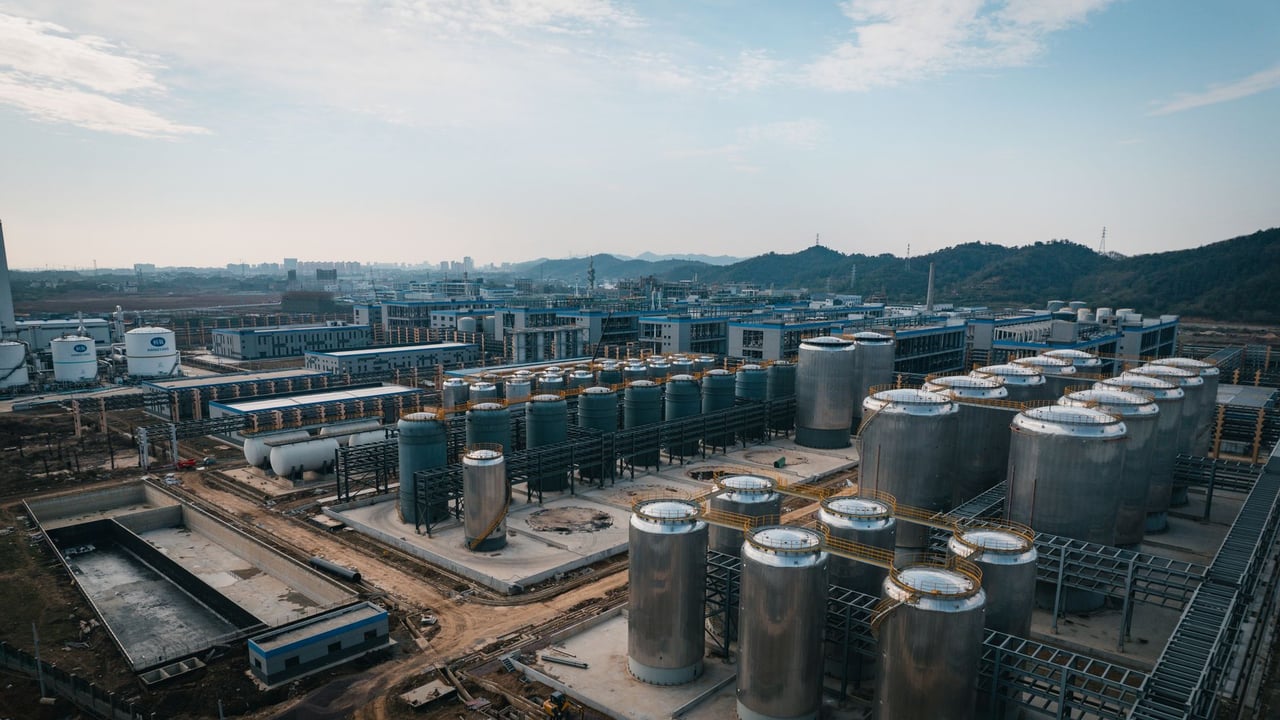
The return of inflationary pressure in the industrial space has been the single largest driver of this profit expansion. After a prolonged period of deflationary pressure, the PPI rose 2.8% in April, marking its seventh consecutive month of sequential growth. This shift has been a windfall for the upstream raw materials sector, where profits skyrocketed by over 88%. Higher global oil prices, driven by persistent Middle Eastern tensions, have turned loss-making refineries into profit centers, but this transition effectively acts as a tax on downstream manufacturers who are struggling to pass on costs to a cautious domestic consumer.
At the heart of China’s strategic pivot, the high-tech manufacturing sector has emerged as the primary growth engine, with profits jumping 44.8%. The semiconductor industry, in particular, saw eye-watering gains in specialized materials and optical components, some growing as much as 600%. This surge reflects the massive capital injections into 'new quality productive forces' as China attempts to decouple its tech stack from Western dependencies. However, the dominance of this sector—contributing nearly half of all industrial profit growth—highlights a growing reliance on a narrow band of high-growth industries to mask sluggishness elsewhere.
Despite the impressive top-line numbers, the 'supply-side strength vs. demand-side weakness' paradox continues to haunt the recovery. Chinese factories are churning out goods at an accelerating pace, supported by equipment upgrades and export resilience, yet domestic consumption remains hampered by a cooling labor market and stagnant household income. Economists warn that as input costs rise due to imported inflation, the profit margins of small-to-medium enterprises in the consumer goods sector will likely be squeezed, potentially leading to a widening gap between state-backed industrial giants and the private-sector downstream.