Precision and Propaganda: Iran’s MQ-9 Takedown Signals a Hardened Middle Eastern Sky

Iran has released footage documenting the destruction of a U.S. MQ-9 Reaper drone, highlighting the increasing vulnerability of American unmanned assets. This development underscores Tehran's growing air defense capabilities and its willingness to use high-profile military intercepts as a form of strategic propaganda.

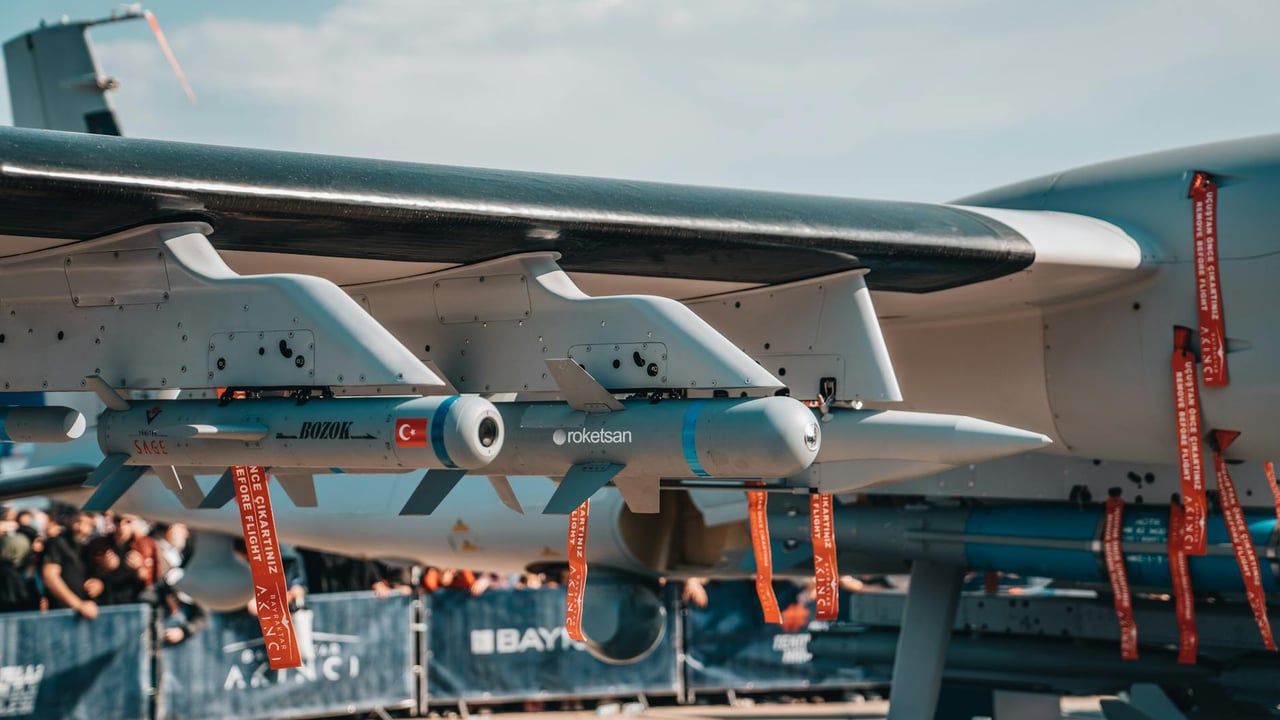
Detailed view of armaments on a Turkish military aircraft displayed at an air show.

Key Takeaways

  • 1Tehran released video evidence of an MQ-9 Reaper being shot down, intended to showcase domestic air defense prowess.
  • 2The MQ-9, a primary U.S. surveillance and strike asset, lacks the stealth required for modern contested airspaces.
  • 3The incident follows a long-standing trend of Iranian kinetic challenges to U.S. aerial presence in the Persian Gulf and surrounding areas.
  • 4State-aligned media in China is leveraging the event to emphasize perceived American military vulnerabilities to a global audience.
  • 5The loss of the drone forces a reassessment of U.S. risk management and drone deployment strategies in the Middle East.

Editor's
Desk

Strategic Analysis

The strategic significance of this event lies in the shifting cost-benefit analysis of unmanned aerial warfare. For years, the U.S. operated under the assumption that drones could conduct 'persistent stare' missions with minimal risk to personnel. However, Iran’s ability to reliably intercept these platforms suggests that the Middle East has entered a 'post-permissive' era. Tehran is effectively setting a high price for U.S. surveillance, using each intercept to refine its electronic warfare and missile targeting data. Furthermore, by publicizing the event, Iran is engaging in cognitive warfare, aiming to project strength and deter further Western intervention by demonstrating that American 'eyes in the sky' can be blinded at will.

China Daily Brief Editorial
Strategic Insight
China Daily Brief

The release of high-definition footage by Iranian authorities purportedly showing the downing of a United States MQ-9 'Reaper' drone marks a provocative escalation in the ongoing shadow war between Tehran and Washington. This calculated disclosure, amplified by Chinese state media, serves as a dual-purpose instrument: a technical demonstration of Iran’s evolving surface-to-air capabilities and a symbolic challenge to American air superiority in the region.

The MQ-9 Reaper has long served as the backbone of U.S. intelligence, surveillance, and reconnaissance missions across the Middle East. While designed for high-altitude endurance and precision strikes, the platform’s lack of stealth features makes it increasingly vulnerable to the sophisticated air defense systems Iran has been refining for over a decade. By releasing the footage, Tehran intends to prove that its indigenous defense industry can neutralize billion-dollar assets with cost-effective kinetic solutions.

This incident does not occur in a vacuum but follows a historical pattern of drone intercepts, notably the 2019 downing of a Global Hawk, which nearly brought the two nations to the brink of open conflict. For the Biden administration—or its successor—the loss of a Reaper is more than just a financial setback of approximately $30 million. It represents a significant intelligence risk and a test of the 'integrated deterrence' strategy intended to keep Iranian proxies at bay without direct military engagement.

From a geopolitical perspective, the rapid dissemination of this story by Chinese outlets like Huanqiu highlights the strategic alignment between Beijing and Tehran in challenging U.S. hegemony. By showcasing American tactical failures, these reports provide a counter-narrative to Western military invincibility, signaling to other regional actors that the era of uncontested U.S. drone operations may be coming to a close.

Share Article

Related Articles

📰
No related articles found