Full Steam Ahead: China’s Second Homegrown Cruise Giant Nears Delivery

China’s second domestically produced large cruise ship, the Adora Flora City, has successfully completed 12 days of comprehensive sea trials. The vessel is on track for a November delivery and will operate out of Guangzhou, signaling China's maturing capabilities in high-end maritime manufacturing.

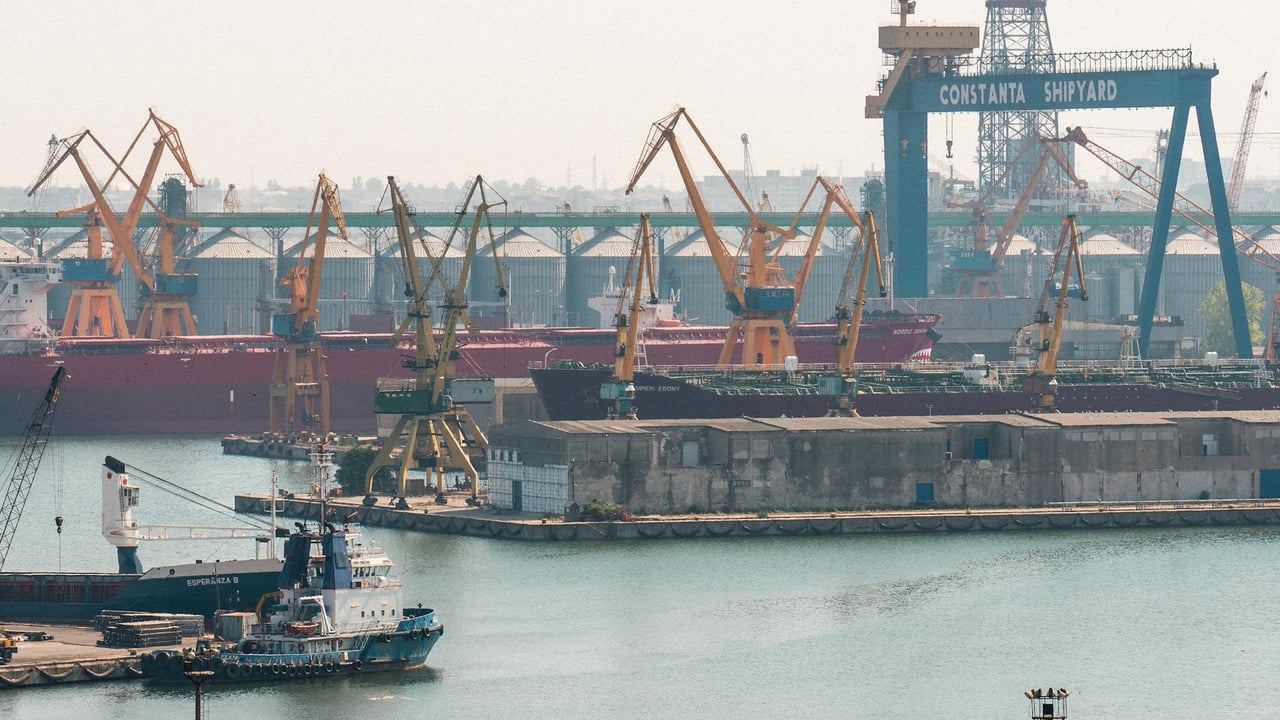
A busy scene at Constanta Shipyard, Romania, featuring cranes and cargo ships in the harbor.

Key Takeaways

  • 1The Adora Flora City completed its 12-day sea trial on May 27, 2026, passing 149 technical tests.
  • 2Key evaluations included main propulsion, automated engine room operations, and environmental emission standards.
  • 3The vessel is scheduled for official delivery in November 2026 and will be homeported in Guangzhou Nansha.
  • 4This achievement marks the transition from prototype construction to standardized production for China's cruise industry.

Editor's
Desk

Strategic Analysis

The completion of the Adora Flora City’s trials is a significant geopolitical and economic signal. For decades, large cruise ships remained the 'crown jewel' of shipbuilding that eluded Chinese yards due to their extreme complexity and the specialized supply chains required. By successfully launching a second vessel so soon after the first, China is demonstrating a rapid learning curve and the ability to domesticate complex European-dominated supply chains. This progress aligns with Beijing's broader industrial policy to move from low-end manufacturing to high-value-added engineering. Furthermore, by basing this ship in Guangzhou, China is integrating its maritime industrial success with its domestic 'silver economy' and tourism consumption goals, ensuring that both the supply and demand sides of the cruise industry remain under domestic influence.

China Daily Brief Editorial
Strategic Insight
China Daily Brief

The successful completion of sea trials for the Adora Flora City (爱达·花城号) marks a pivotal moment in China’s quest to disrupt the high-end maritime construction sector. On May 27, 2026, the vessel returned to port after a rigorous 12-day evaluation that tested the limits of its propulsion, maneuverability, and automated systems. This milestone confirms that the era of Chinese-built mega-ships is no longer an experimental novelty, but a standardized industrial reality.

During the trials, technical teams cleared 149 specific verification items, ranging from noise and vibration control to the performance of unmanned engine rooms. These tests are critical for a vessel of this complexity, which functions as a floating city requiring a delicate balance of heavy engineering and hospitality standards. The successful verification of emission indicators and safety protocols suggests that China is meeting, if not exceeding, international maritime benchmarks.

Following the trials, the focus shifts to the final integration of interior systems and official handover to the shipowner. The Adora Flora City is slated for delivery in November 2026, with its inaugural season set to launch from the Guangzhou Nansha International Cruise Homeport. This strategic positioning in Southern China highlights Beijing's intent to capture the burgeoning middle-class tourism market in the Greater Bay Area.

While the first domestic cruise ship, the Adora Magic City, proved that China could build such a vessel, the Adora Flora City proves it can replicate the process with increased efficiency. By moving from a singular prototype to a production line, Chinese shipyards are rapidly climbing the value chain. This transition directly challenges the long-standing monopoly held by European shipbuilders like Fincantieri and Meyer Werft.

Share Article

Related Articles

📰
No related articles found