
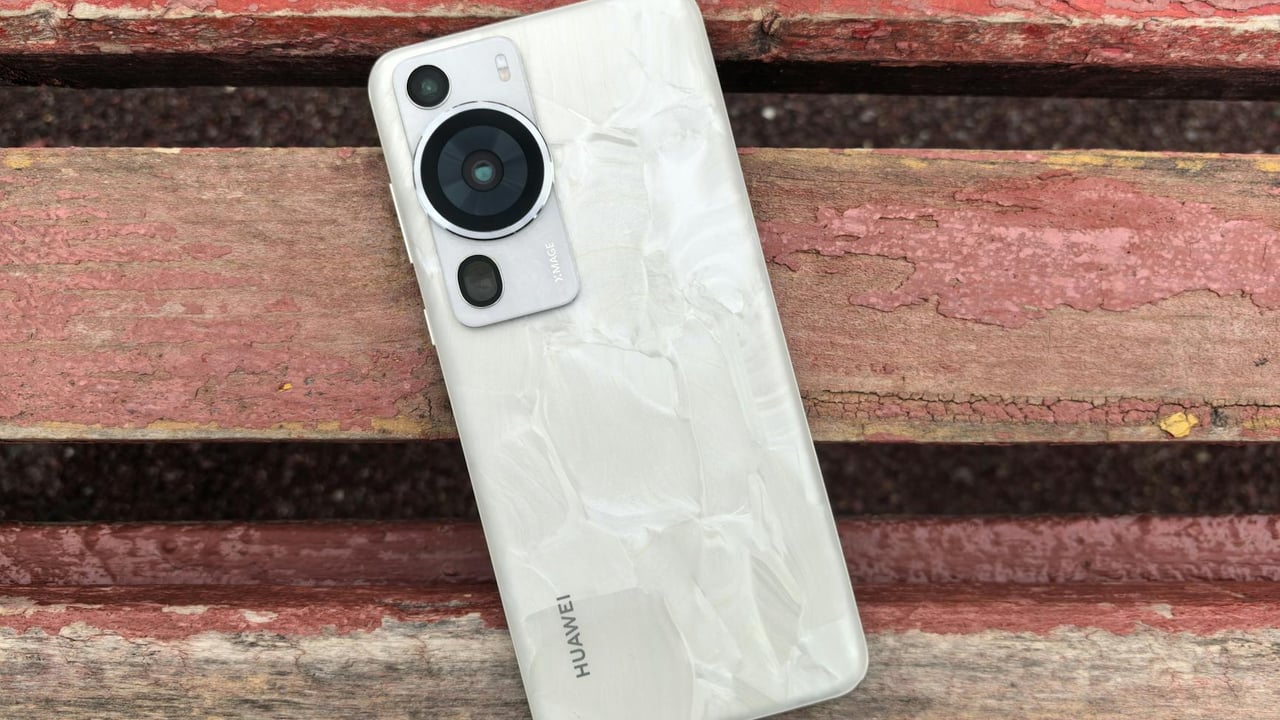

On May 20 in Beijing, Huawei and the education giant TAL Education Group (Xueersi) announced a strategic partnership that signals a paradigm shift in the world’s most competitive educational technology market. The 'Xueersi Learning Center' is no longer just a downloadable application but has been integrated into Huawei’s HarmonyOS at a system level, creating a dedicated 'Education Space.' This move marks a departure from superficial pre-installation deals toward deep hardware-software coupling, aimed at capturing a slice of the burgeoning AI learning device sector.
The timing is critical as the Chinese tablet market shifts from hardware specs to 'content-first' ecosystems. Underpinned by recent directives from China’s Ministry of Education to promote 'Artificial Intelligence + Education,' the sector is seeing a massive influx of investment. Market forecasts suggest that AI-enabled learning machines will exceed a value of 31.8 billion RMB by 2026, representing a 56.7% year-on-year growth rate as parents seek more sophisticated digital solutions for their children's home learning.
Technically, the integration leverages the unique capabilities of HarmonyOS to solve a chronic pain point for Chinese parents: the distraction of entertainment on multi-purpose tablets. By using a 'four-finger swipe' gesture, users can transition into an isolated, password-protected learning environment that is physically and logically separated from the tablet’s social media and gaming functions. This 'walled garden' approach ensures that data, accounts, and applications remain focused entirely on the curriculum provided by TAL’s 3,000-person research team.
For TAL Education, once the titan of China's private tutoring industry before the 2021 'Double Reduction' regulatory crackdown, this partnership represents a successful mutation into a content-as-a-service provider. By embedding its massive library—spanning 16 million minutes of curriculum—into Huawei’s vast hardware install base, TAL can bypass the high customer acquisition costs of the post-reform era. The collaboration effectively transforms Huawei’s general-purpose tablets into specialized educational terminals, providing a blueprint for how tech giants and content creators can navigate China’s evolving digital landscape.